https://shop.fervogear.com/cart

How 27 Seconds of Qualifying Shaped the Dramatic Austrian Grand Prix

Highlights
- Australian Grand Prix qualifying decided by 27-second critical window.
- George Russell secured pole before Verstappen’s crash triggered yellow flags.
- Max Verstappen’s crash at Turn 9 disrupted final qualifying laps.
- Russell’s pole position gave him major race control advantage.
- Timing and strategy adjustments challenged teams during qualifying and race.
- Focus now shifts to British Grand Prix and qualifying improvements.
George Russell’s Austrian Grand Prix victory traces to a 27‑second qualifying window that reshaped the weekend at Spielberg. Timing, not outright pace, proves decisive for Mercedes.
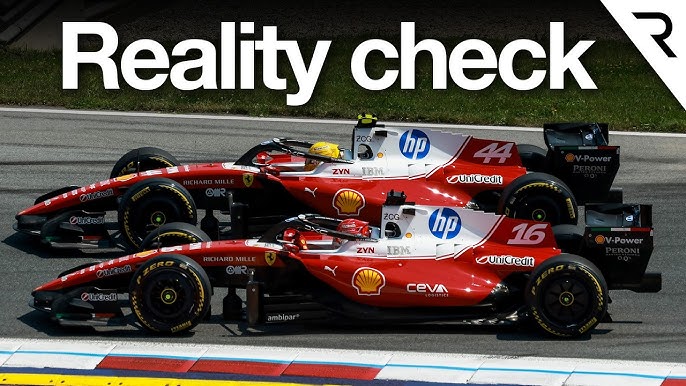
The key moment arrives late in Q3 when Max Verstappen crashes at Turn 9, triggering yellow flags. Russell has already banked his lap, while rivals must lift and abandon attempts.
That sequence sets the front row and frames Sunday’s contest. The compromised laps ripple through the order and define the starting grid more than raw performance deltas.
Russell sets pole seconds before yellow flags; Verstappen’s crash neutralises rivals’ final laps.
Under double-waved yellows, drivers must significantly reduce speed and demonstrate caution. Even single yellows oblige a lift, rendering any lap unrepresentative against a fully committed benchmark.
Mercedes times Russell’s push lap precisely, exploiting track evolution without excess risk. The effort secures pole for Mercedes and, crucially, first choice on race management and tyre phase.
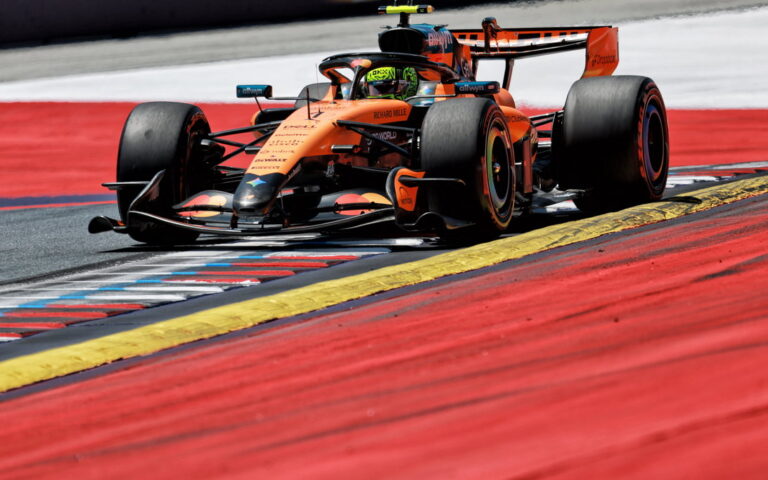
Elsewhere, teams queue for late-track evolution and misjudge the risk window. McLaren, among others, see laps offset by the caution period, blunting representative pace and compromising starting positions.
A 27‑second yellow-flag window flips Q3, turning track position into the decisive race-day asset.
The race lasts 86 minutes and rewards control from the front. Russell dictates pace, manages tyre temperatures, and keeps strategic options open by denying undercut windows to immediate chasers.
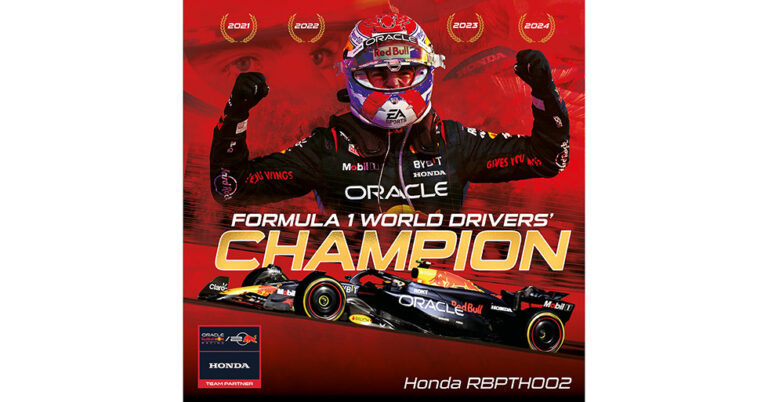
Verstappen’s early setback narrows his strategy range. Starting deeper locks him into traffic effects and leaves less freedom to pivot when degradation and safety-car probabilities fluctuate.
[p]Aerodynamic wake reduces peak cornering and increases thermal load on tyres following closely. Without clean air, the attacking car often needs a substantial delta to overtake on comparable compounds.[/p]
Track position, not outright pace, dictates the Austrian GP once Russell secures clean air.
Mercedes executes cleanly on pit wall and in the box. Stop timing mirrors tyre life, and the car’s balance window remains accessible, minimising exposure to undercut or offset threats.
For the field, the lesson is procedural. Prioritise banker laps earlier in Q3, as the Austrian qualifying sequence demonstrated, and stagger run plans to reduce exposure when yellow risks rise.
Attention now moves to Silverstone. Teams target sharper Q3 execution, tighter out-lap coordination, and contingency models that can absorb race-neutralising incidents without surrendering critical track position.
Visual Summary
The Split-Second That Won the Race
Green Flag
Russell’s Lap
?️?
Secures pole just in time
Crash!
?
Verstappen in Turn 9
Yellow Flag
Disrupted Laps
??
Others forced to slow
1st
Russell Pole & Win
Russell Pole & Win
?
Verstappen Crash
Verstappen Crash
86min
Race Duration
Race Duration
27 seconds in qualifying changed the entire race.
One moment’s timing meant victory for Russell and left rivals chasing what might have been.
One moment’s timing meant victory for Russell and left rivals chasing what might have been.
Next: All eyes on Silverstone ??

James William covers the IMSA WeatherTech SportsCar Championship, from the Rolex 24 at Daytona to sprint-race formats. His reports include prototype performance reviews, GT class battles, and pit-stop strategy insights for endurance-racing fans.