
https://shop.fervogear.com/cart

How McLaren’s 2026 F1 Car Fell Behind by Three Critical Months

Highlights
- McLaren lags three months behind Mercedes in 2026 F1 development.
- Focus on maintaining MCL39 performance slowed 2026 car advancement.
- Major upgrades introduced in Miami and Montreal yielded limited gains.
- Lando Norris called McLaren car “undrivable” due to pace issues.
- Fuel and reliability problems persisted, affecting race performances.
- Significant improvements expected around Hungarian Grand Prix and after summer.
McLaren enters mid‑2026 around three months behind Mercedes in development, a sharp reversal after last year’s title double. The deficit threatens its defence and likely persists into the summer break.
The slide traces to 2025 choices. While duelling Red Bull, McLaren prioritised holding MCL39 performance over aggressive R&D, including during battles with Max Verstappen.

Andrea Stella says early 2026 concepts proved less effective. That misstep, plus the maintenance focus, puts McLaren two to three months behind rivals, consistent with its upgrade delay.
That lag disrupts development cadence. Big packages in Miami and Montreal trimmed the gap briefly, but Mercedes, Red Bull and Ferrari kept adding roughly three tenths with their steps.
Execution also stuttered. A new front wing debuted late, two events after Montreal, and a Ferrari‑inspired rear wing stayed shelved after testing suggested weak real‑world pay‑off.
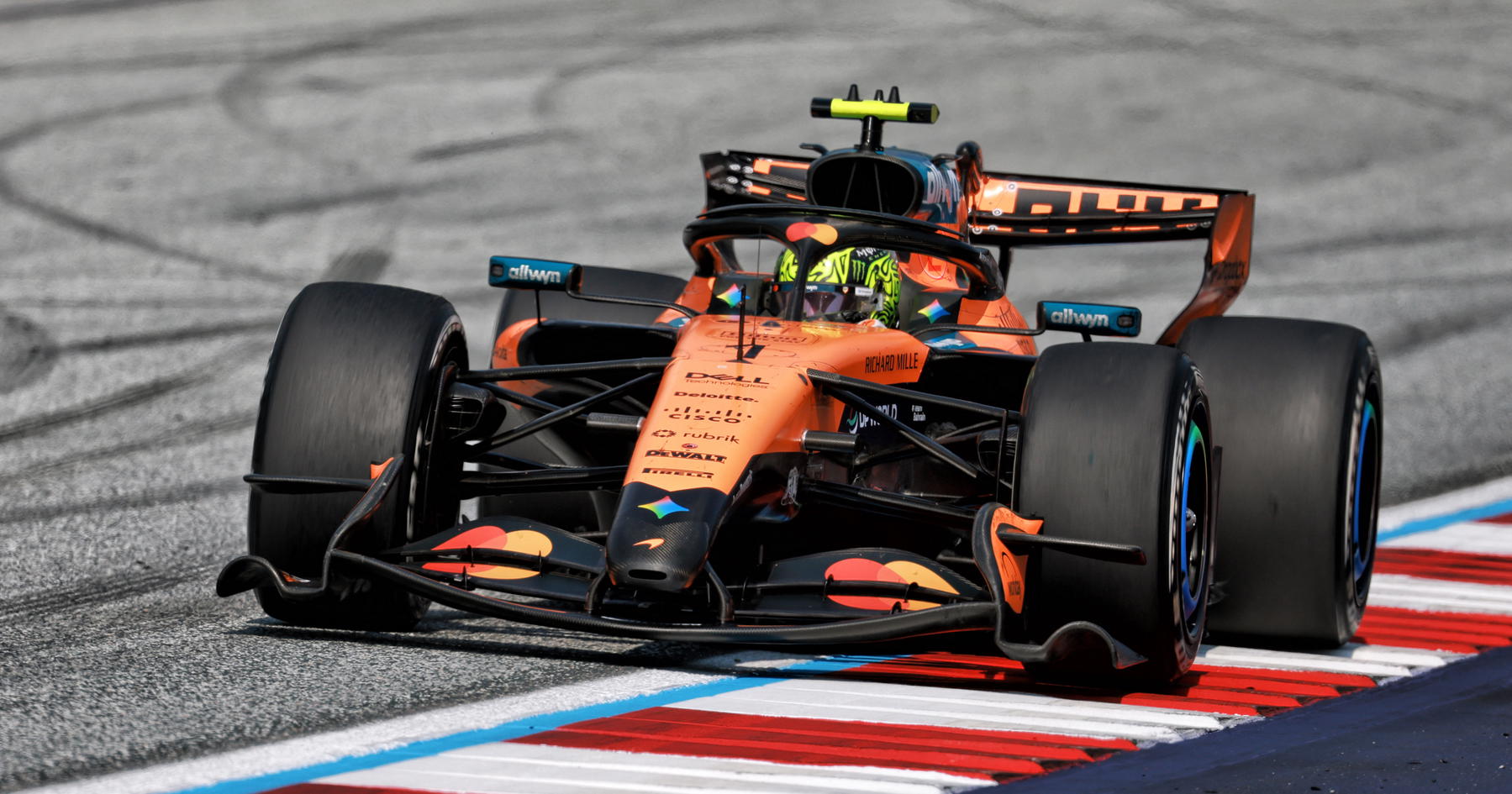
Silverstone underscored the problem. Lando Norris qualified almost eight tenths off pole, double his sprint deficit, and called the car “undrivable” and among the hardest he has driven.
Norris qualified 0.8s off pole at Silverstone and called the McLaren “undrivable.”
Underlying pace loss splits roughly 70% in corners and 30% on straights. High drag and insufficient downforce compromise both top speed and stability through medium‑ and high‑speed turns.
Oscar Piastri adds that changeable conditions hurt McLaren more than Mercedes. Tyre warm‑up is fragile in wind or cold, limiting grip, as outlined in his assessment of progress.
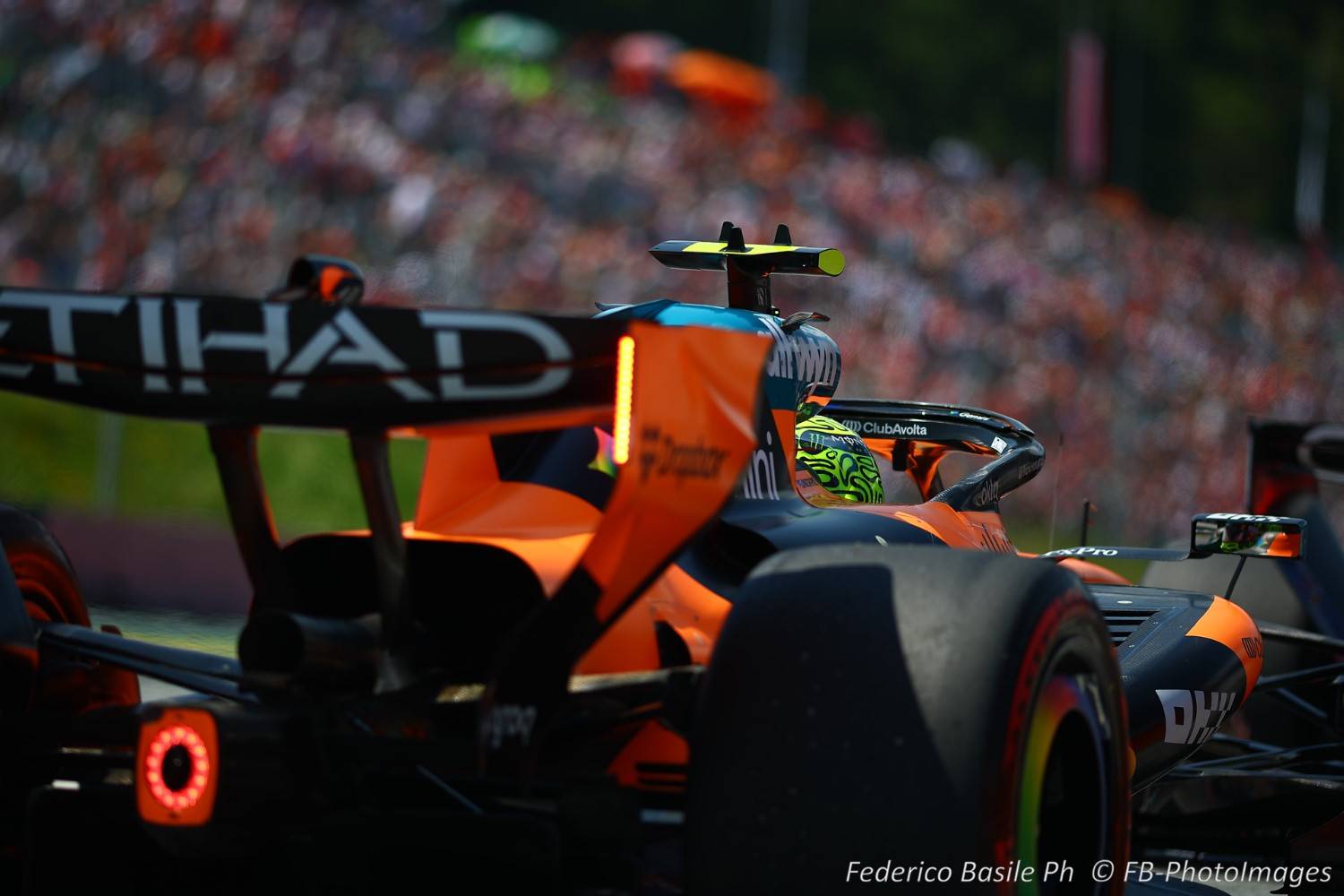
Reliability magnifies the deficit. Fuel miscalculations in the Silverstone sprint and in Austria exposed systems weaknesses, while the Mercedes power unit has run thirstier than expected.
Power‑unit exploitation is another gap. Mercedes revealed a new, FIA‑legal operating technique at Silverstone that surprised McLaren and underlined an area of understanding it still lacks.
Mercedes’ FIA‑legal engine operating technique, revealed around Silverstone, caught McLaren by surprise.
McLaren also runs older engine specifications after earlier issues, curbing performance headroom. Conservative gear ratios, chosen with imperfect assumptions, further limit deployment versus Mercedes.
Rivals’ packages have landed cleanly and promptly. Stella now sees a clear path, with first gains targeted for Hungary and more substantial steps after the break.
McLaren targets first meaningful gains by the Hungarian Grand Prix, with larger upgrades after the summer break.
The cost‑cap era leaves little slack. With spending capped at $215 million, McLaren must convert wind‑tunnel and CFD time into lap time, and target areas flagged in Mercedes’ 2026 weaknesses.
Visual Summary
Development Cliff
McLaren’s 2026 Plunge
From double-champions to three months behind Mercedes — McLaren hits a development cliff.
Hero in 2025. Catch-up in 2026.
From double-champions to three months behind Mercedes — McLaren hits a development cliff.
Hero in 2025. Catch-up in 2026.
Development Gap to Mercedes
McLaren
≈ 3 months behind in upgrades & performance
💨
High Drag
Slower on straights
🌀
Low Downforce
Poor corner grip
🥶
Tyres Cold
Struggle for temp & grip
⛽
Fuel Issues
Thirsty & miscalculations
“The car is undrivable.”
— Lando Norris, Silverstone Qualifying
Next upgrade hope: Hungarian GP (pre-summer break)
Big fix only expected after summer break.
McLaren faces an uphill climb to fight for the 2026 titles.
McLaren faces an uphill climb to fight for the 2026 titles.

Daniel Miller reports on Formula 1 Grand Prix weekends with race-day analysis, team-radio highlights, and point-standings updates. He explains power-unit upgrades, aerodynamic developments, and driver rivalries in straightforward, SEO-friendly language for a global F1 audience.