https://shop.fervogear.com/cart

McLaren Reveals Why Key F1 Upgrade Release Was Delayed

Highlights
- McLaren delayed front-wing upgrade after initial Canadian introduction.
- Front wing removed before Montreal Sprint, reintroduced in Spain.
- Team refined design over several races, addressing aero and mechanical issues.
- First changes ready in Monaco, further mods debuted in Spanish GP.
- Development ongoing; McLaren plans more upgrades for midfield competitiveness.
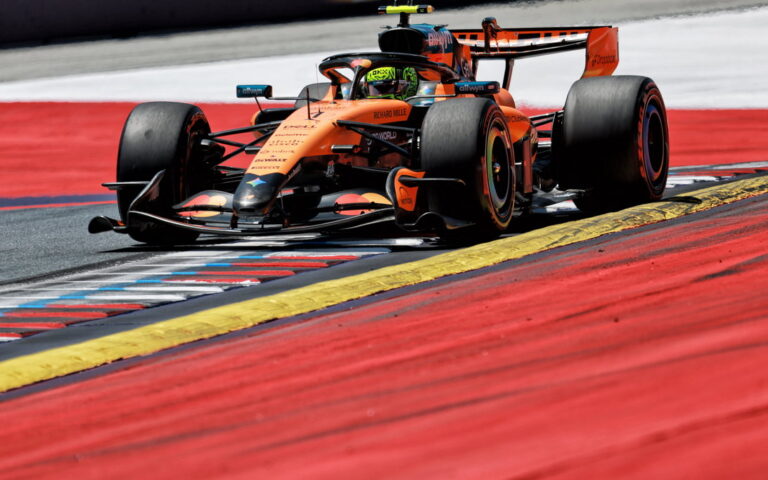
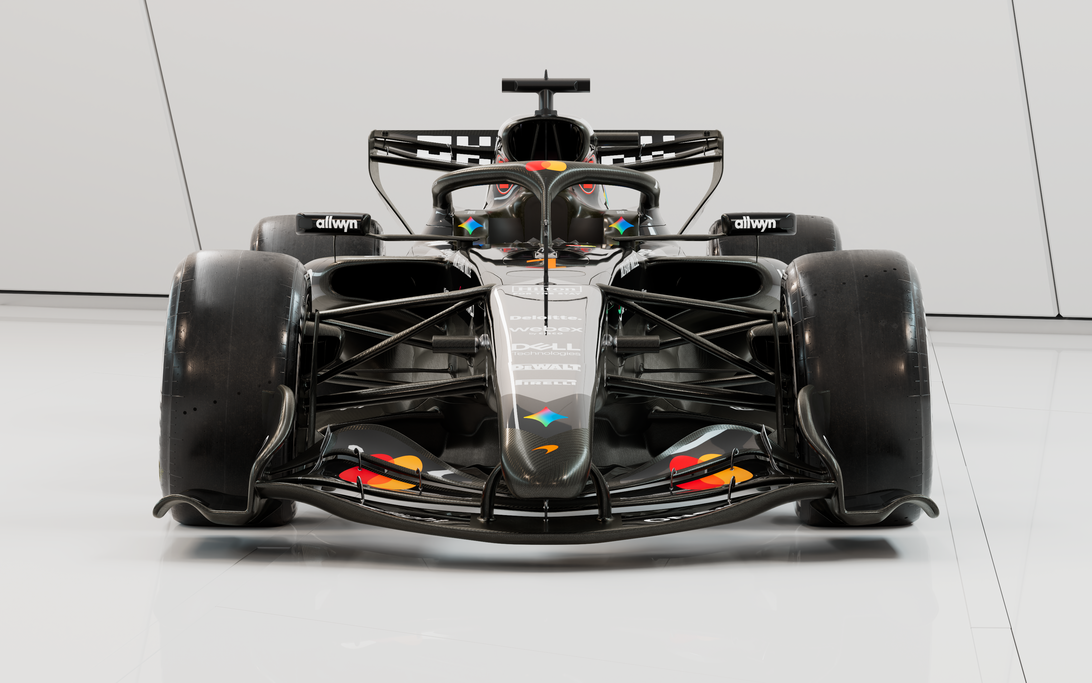
McLaren has detailed why its new front wing, first seen in Canada, was withdrawn in Montreal and only raced fully in Spain, citing understanding and correlation work.
Team principal Andrea Stella says aero and mechanical interactions demanded redesigns and fresh manufacture before the concept matched targets and on-track behaviour.

The wing appeared in Canada but was removed before Sprint Qualifying, breaking McLaren’s recent run of instant upgrade payoffs seen in Austria and Britain last year.
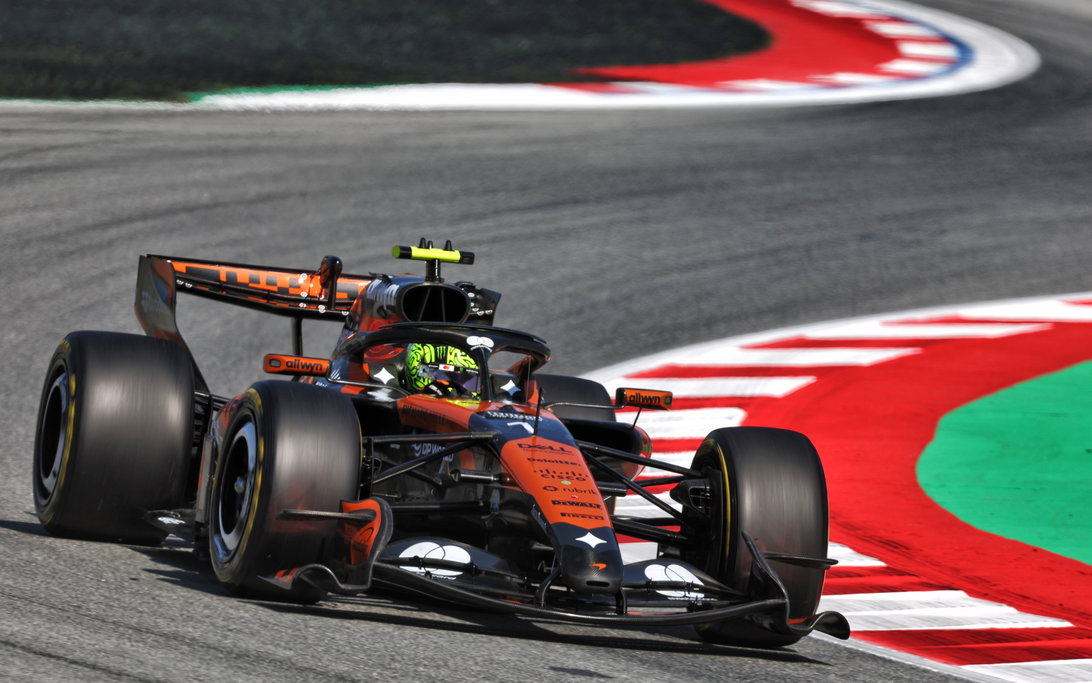
Stella explains the team paused to complete a refinement cycle across several events, improving correlation between simulation, wind tunnel, and track data.
Front wing debuted in Canada, withdrawn before Montreal Sprint, returned with revisions in Spain.
Initial fixes were ready for Monaco, with a further set prepared for Barcelona, where the specification returned alongside supporting mechanical changes.
McLaren’s process underlines a familiar trade-off: pursue aerodynamic gain while preserving structural robustness and drivability through ride, steering, and load cases.
Stella says correlation and mechanical robustness drove a multi-race redesign.
The episode fits McLaren’s 2026-facing roadmap, shaped by anticipated regulations and cost-cap discipline, echoing discussion of F1 rule shifts and staged development.
Stella credits rapid design turnaround once weaknesses surfaced, with new parts pushed through manufacturing to protect short-term points while validating the concept.
Although the initial package is now bedded in, Stella frames the car as early in its lifecycle, with further updates planned across multiple surfaces and flow structures.
That incrementalism aligns with McLaren’s evaluation of its F1 2026 handicap, including wind-tunnel and CFD allowances.
There are immediate competitive implications. The front wing influences downstream behaviour, affecting floor loading, diffuser efficiency, and tyre management across stints.
Initial fixes arrived for Monaco, with further parts ready by Barcelona.
Execution quality remains pivotal on Sprint weekends, where practice time is compressed and correlation errors carry heavier penalties.
McLaren continues to target consistent podium contention while guarding against reliability surprises, a balance complicated by parc fermé constraints.
Such calibration benefits both drivers, particularly amid phases when Oscar Piastri’s adaptation highlights setup sensitivities.
Further packages are scheduled as McLaren manages resources, aiming to consolidate against the midfield while pressuring race leaders when circuits suit the package.
Visual Summary
?
??
?
??
Idea
Canada Debut
Redesign
Success: Spain
Canada Debut
Redesign
Success: Spain
Patience = Progress
McLaren’s bold front wing redesign couldn’t fly at first.
Testing, tweaking, and teamwork turned “not ready” in Canada into “performance boost” in Spain.
Upgrades take time — but small fixes created big speed.
Testing, tweaking, and teamwork turned “not ready” in Canada into “performance boost” in Spain.
Upgrades take time — but small fixes created big speed.
McLaren’s upgrade cycle: Test. Learn. Refine. Repeat.
Precision, not rush – that’s racing’s true speed.
Expect more bold McLaren moves as the season (and rulebook) evolves.

Daniel Miller reports on Formula 1 Grand Prix weekends with race-day analysis, team-radio highlights, and point-standings updates. He explains power-unit upgrades, aerodynamic developments, and driver rivalries in straightforward, SEO-friendly language for a global F1 audience.
Related FervoGear guide: custom race suits built for driver protection, custom fit, and sponsor-ready design.