https://shop.fervogear.com/cart
McLaren Backs Huge F1 Rule Shift to Transform Racing

Highlights
- FIA proposes new engine cycle for Formula 1 starting in 2031.
- McLaren CEO Zak Brown supports possible return to V8 engines.
- New engines aim for simpler, louder, and more powerful format.
- McLaren currently uses Mercedes engines, may reconsider if regulations change.
- Decisions on new engine rules expected closer to 2030.
- Changes aim to balance entertainment, sustainability, and technological innovation.
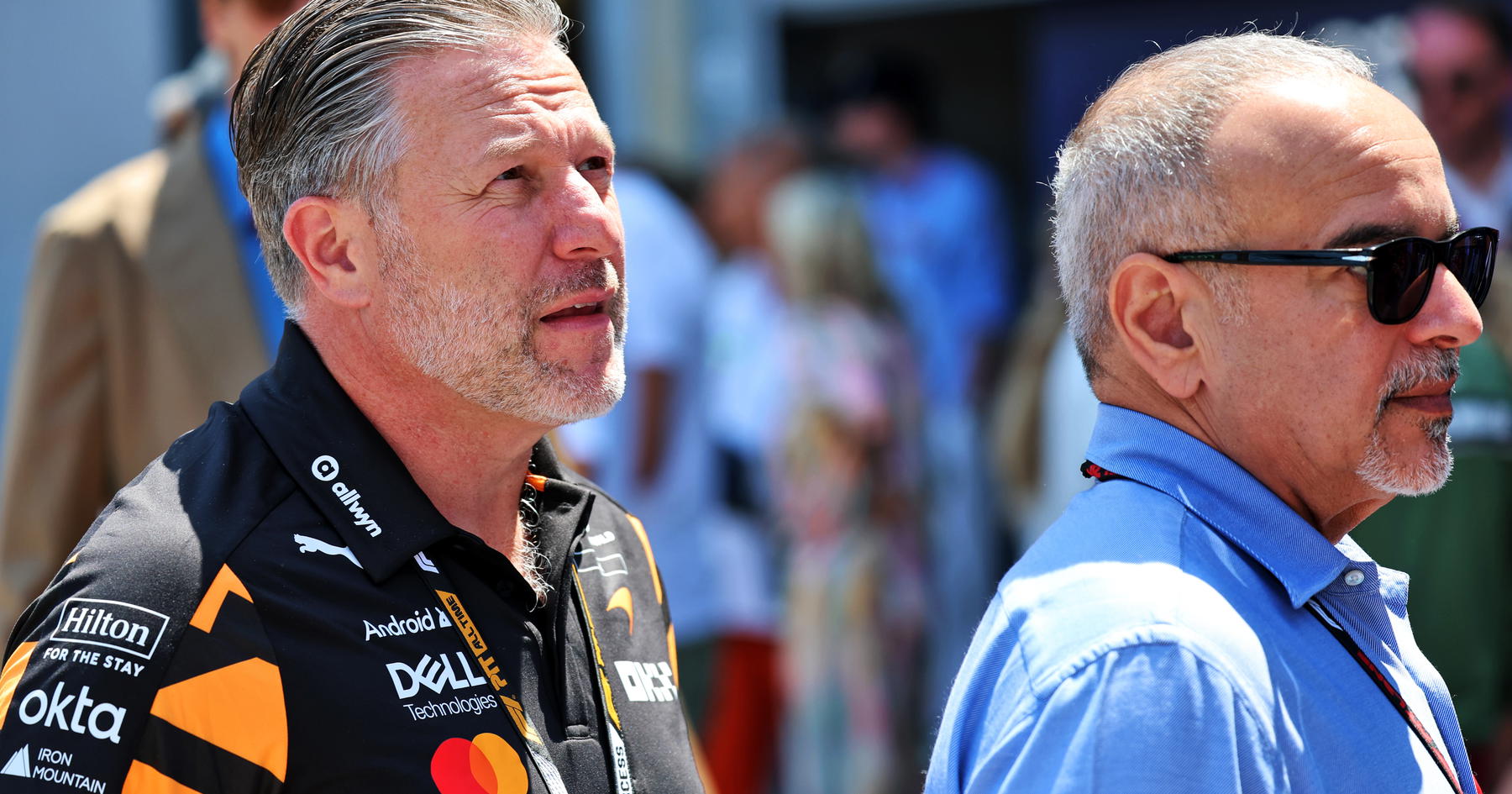
McLaren CEO Zak Brown backs a shift in F1’s next engine rules, including a potential V8 return, as discussions intensify around the 2030–2031 power-unit cycle.
The stance follows FIA president Mohammed Ben Sulayem’s push for a new engine era from 2031, with an earlier 2030 start still on the table.

Brown: Simpler, louder, more powerful engines could improve the spectacle without abandoning sustainability goals.
Brown frames the concept around a larger internal combustion engine, reduced hybrid reliance, compatible sustainable fuels, and improved sound, targeting a clearer, fan-friendly formula.
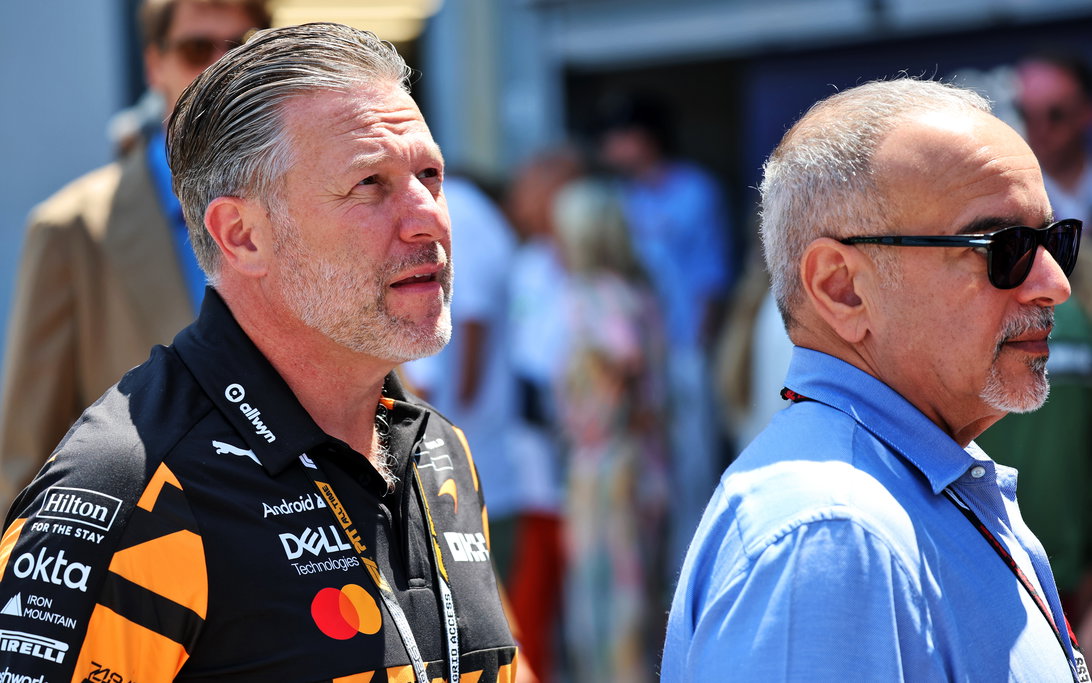
The current regulations, introduced this year, draw criticism for complexity. Teams and drivers juggle energy deployment and thermal management that often compromise flat-out racing.
Brown stresses he is not the technical architect, yet he views the FIA’s direction as pragmatic, provided cost, sustainability, and manufacturer engagement remain central.
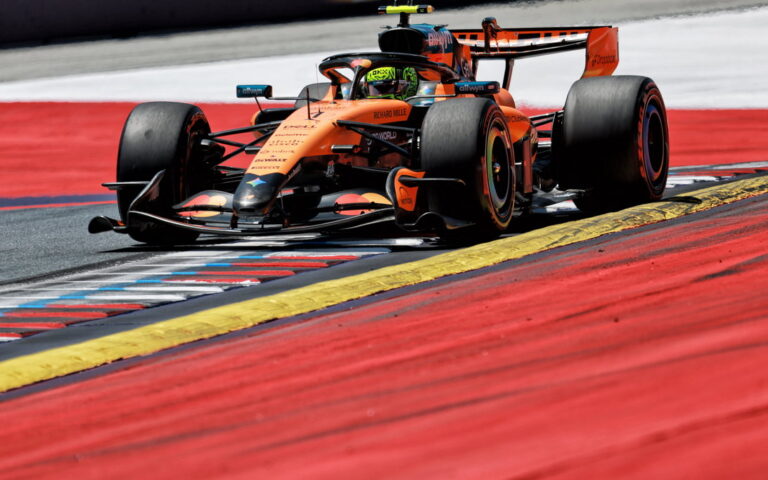
McLaren does not build its own engines and currently runs Mercedes power. Any shift must align with Mercedes’ roadmap and resources.
McLaren leaves the door open to re-evaluate engine options if the ruleset invites new manufacturers or changes cost dynamics.
Even so, Brown concedes McLaren could reassess its position should the regulations materially rebalance make-or-buy decisions, despite recent setbacks.
A return to louder, simpler engines would be a deliberate step toward entertainment value, while sustainable fuel specifications aim to preserve F1’s environmental commitments.
For competitors, regulation resets typically shuffle competitive order. Decisions taken by 2030 will lock in power-unit partnerships, facilities planning, and long-lead R&D.
Decisions on the 2031 cycle are likely to crystalize closer to 2030 as the FIA finalizes rules and testing windows.
McLaren’s near-term focus stays on extracting performance under today’s rules, addressing deficits after they lost a key edge earlier this season, and managing a 2026 rules handicap.
The wider paddock conversation centers on preserving road-relevant innovation without letting hybrid complexity dictate the show. A bigger ICE with modest hybridization is under active evaluation.
As timelines firm, teams will model budget caps, supplier deals, and dyno programs to meet new targets on performance, efficiency, and mandated noise thresholds.
The shift would frame McLaren’s narrative into their 1000th race, while intersecting with strategic choices across the grid as suppliers weigh costs against marketing reach.
There is jeopardy for incumbents. Manufacturers optimized for current hybrids may resist a reset that dilutes investments, even if fan appeal improves.
Brown’s endorsement adds volume to a coalition favoring a more visceral power unit, but the final outcome depends on costs, fuel tech, and governance consensus.
Visual Summary
Is F1 ready to ROAR again?
McLaren supports a possible V8 comeback by 2030
⚡️
2024
Hybrids
Hybrids
?
2030
V8?
V8?
Fans miss the powerful sound of V8s
“A bigger engine, reduced hybrid complexity, better fuel, and those incredible sounds could make racing spectacular again.”
— Zak Brown, McLaren CEO
— Zak Brown, McLaren CEO
All eyes on 2030: Will F1 trade ⚡️ (hybrid) for ? (V8 power)?

Daniel Miller reports on Formula 1 Grand Prix weekends with race-day analysis, team-radio highlights, and point-standings updates. He explains power-unit upgrades, aerodynamic developments, and driver rivalries in straightforward, SEO-friendly language for a global F1 audience.
Related FervoGear guide: custom race suits built for driver protection, custom fit, and sponsor-ready design.