https://shop.fervogear.com/cart
Formula E Co-Founder Reveals Exciting Plans for New Support Series

Highlights
- Formula E seeks new all-electric support series by Season 14.
- Jaguar I-Pace eTrophy ended in 2020, leaving a support gap.
- Support series aims to be affordable and spotlight driver talent.
- About 50 partner meetings planned to develop the feeder category.
- Support cars targeted to cost €200,000 to €300,000 each.
- Launch expected around late 2027, during Gen4 Formula E era.
Formula E plans to reintroduce a support series by Season 14, targeting late 2027, with an all‑electric, affordable feeder conceived by co‑founder Alberto Longo to deepen race‑weekend content.
The move addresses the gap left since Jaguar I‑Pace eTrophy ended after Season 6 in 2020, when vehicle size and logistics limited appearances across street‑circuit venues.
Longo outlines a genuine feeder built around sustainability and access. Internal‑combustion options are ruled out. The aim is equal machinery that highlights ability rather than budgets.
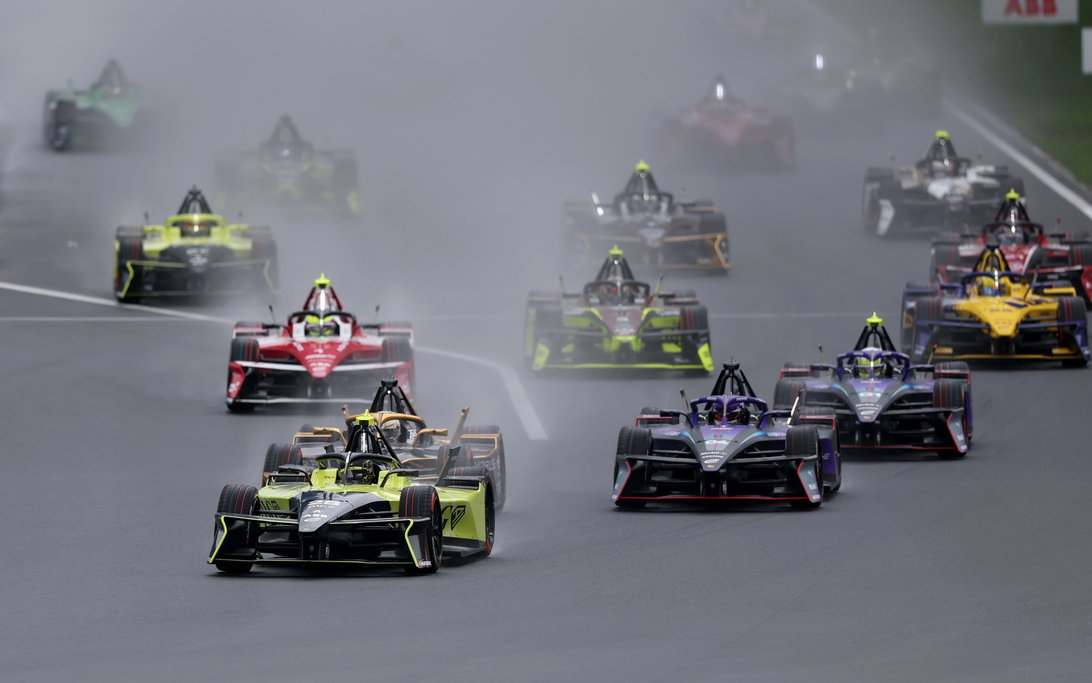
Context matters. Formula 1’s ecosystem includes F2 and F3, while MotoGP runs Moto2 and Moto3. As the championship calendar evolves, fans expect fuller schedules and consistent track activity.
The shift to permanent venues such as Brands Hatch and Zandvoort underlines that demand. Spare track time, broadcast windows, and fan experience all benefit from a credible supporting category.
Cost control anchors the concept. Longo targets a single‑make electric car priced around €200,000 to €300,000, creating a ladder where drivers compete on merit and, crucially, are paid.
Target car price: €200,000–€300,000 for a single-make, all‑electric support category.
Equal equipment is central. Teams must run cars sustainably and cheaply, avoiding expensive development races. The category’s identity should be clear, authentic, and aligned with Formula E’s mission.
“We want drivers with the best talent possible to come and get paid,” says Alberto Longo.
Delivery now moves into execution. Formula E plans about 50 partner meetings over the next year to secure suppliers, promoters, and funding, working toward a Season 14 debut.
Around 50 partner meetings are scheduled to shape the feeder series blueprint.
Timing aligns with the second year of Gen4. A 2027 launch gives manufacturers and suppliers time to validate hardware and software, and to integrate with Formula E’s operational footprint. Read more on the Gen4 direction.
The NXT Gen Cup’s cancelled 2024 plan shows the pitfalls. Late‑stage financing, logistics, and homologation hurdles can derail projects unless responsibilities and risk are tightly managed.
Existing Gen2 and Gen3 cars are unsuitable on cost. Gen3’s efficiency and performance come with complex systems that inflate running budgets, undermining an affordable feeder model. Selecting a build partner carries technical and commercial risk, demanding clear governance.
Scheduling also matters. A support grid must fit broadcast windows, marshal coverage, and charging infrastructure. The Tokyo E‑Prix schedule illustrates how tight urban timetables can be.
Launch target: Season 14, likely late 2027, aligned with year two of Gen4.
For teams and manufacturers, a feeder can formalize talent pathways. Junior programs could align with factory or customer outfits, offering structured mileage and data relevant to Formula E.
If executed, the category strengthens weekends, creates visibility for prospects, and supports commercial growth. Longo remains optimistic that the concept can be delivered within the targeted window.
Visual Summary
GEN4 FEEDER?
Formula E’s missing rung:
All-electric feeder series sparks to life for 2027
All-electric feeder series sparks to life for 2027
💸
Lower Cost Target
€200k–€300k per car
Lower Cost Target
€200k–€300k per car
🌱
Future Stars
Focus: Merit, not money
Future Stars
Focus: Merit, not money
⚡
All-Electric Only
No combustion allowed
All-Electric Only
No combustion allowed
When will it happen?
2020
2027
Planned launch: Season 14 (Gen4 Year 2)

Zane Muniz writes across NASCAR, IndyCar, F1, IMSA, NHRA, and dirt-racing news. His breaking-news alerts and event previews ensure motorsport fans never miss a lap, drift, or drag-strip showdown.