

https://shop.fervogear.com/cart

McLaren Unveils Major Performance Upgrade for Hungarian Grand Prix

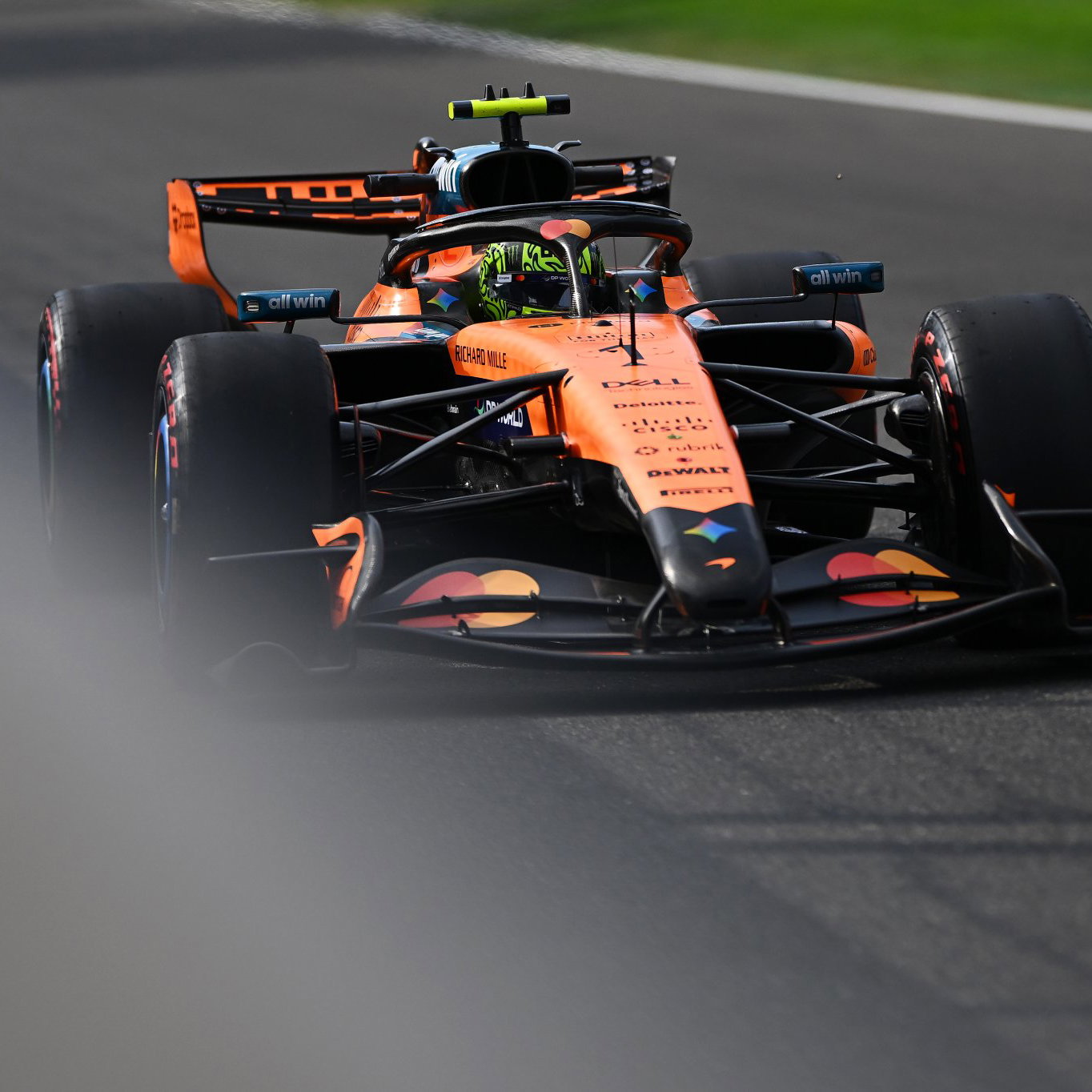
Highlights
- McLaren brings major upgrade package to Hungarian Grand Prix weekend
- Revised floor and aero components aim to boost downforce, balance
- Reserve Leonardo Fornaroli to replace Oscar Piastri in first practice
- Experimental rear wing tested in FP1, not for race use
- Team principal Andrea Stella calls upgrades a turning point
- Upgrades target weaknesses on slow and medium-speed corners
McLaren brings a significant MCL40 upgrade to the Hungarian Grand Prix at the Hungaroring this weekend, targeting added downforce, improved balance, and stronger performance in slower corners.
The package centres on a revised floor, supported by smaller aerodynamic changes. McLaren will evaluate the specification across all practice sessions to validate correlation and define the race baseline.

The team sits third in the constructors’ standings on 195 points, 90 behind Ferrari and 163 adrift of Mercedes, underscoring the competitive gap it intends to trim.
An evolved experimental rear wing will run in FP1 only, reviving a plan scrapped in Austria. As outlined in McLaren’s flip-wing, it will not race here or at Zandvoort.
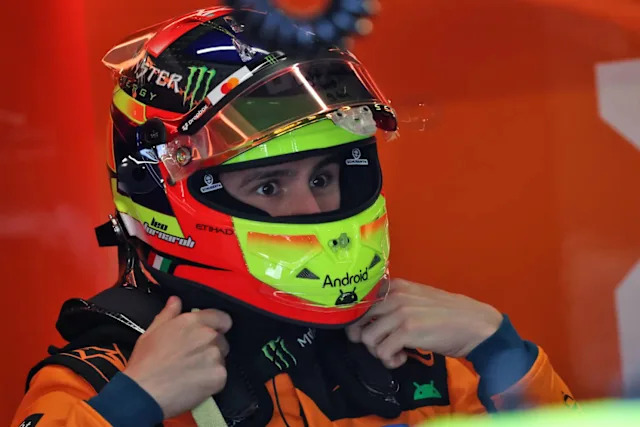
Reserve Leonardo Fornaroli will take Oscar Piastri’s seat in FP1 to meet rookie running rules, shaping the programme around tyre usage and correlation runs.
The revised floor is the centerpiece, targeting downforce and balance in slow- and medium-speed corners.
Team principal Andrea Stella calls the update a turning point, reflecting a clearer development path after slower-yield areas. Expectations are measured, but initial gains should emerge as understanding builds.
The Hungaroring rewards traction, braking stability, and rotation through slower sequences, areas the MCL40 has lacked. As our Hungarian Grand Prix preview notes, those demands define McLaren’s targets this weekend.
Friday’s plan prioritises floor load mapping, aero balance sweeps, and mechanical setup comparisons, ensuring the package’s effect is isolated from wing level and ride‑height choices.
The experimental rear wing is for FP1 evaluation only and will not race in Hungary or at Zandvoort.
If correlation is strong, gains should carry to Zandvoort, which places similar emphasis on traction and rotation. However, the team frames this as an early step, not an immediate transformation.
McLaren has invested in new development tools to accelerate iteration, underpinning this direction shift, as discussed in recent analysis. The objective is faster learning and more reliable correlation.
Closing the points gap hinges on incremental gains at tracks that expose weaknesses. Clean execution and clear correlation will decide how much translates into qualifying pace and race stint performance.
Practice data will shape the final specification and setup, with McLaren balancing immediate performance against longer‑term learning for upcoming events across the summer run of races.
Andrea Stella describes the upgrade path as a turning point, with further steps planned through the season.
Visual Summary
🥉
2
1
Major upgrade
McLaren targets Hungaroring breakthrough
New floor, upgraded aero, & experimental rear wing debut as the team climbs the championship.
McLaren targets Hungaroring breakthrough
New floor, upgraded aero, & experimental rear wing debut as the team climbs the championship.
195
McLaren pts (3rd)
–90 Ferrari
–163 Mercedes
New Floor
Boosts downforce
Fine-tunes handling
Fine-tunes handling
Aero Tweaks
Adapts for slow+mid corners
Test Rear Wing
FP1 only ⚡
Reserve Leonardo Fornaroli steps in for FP1
Hungary, then Zandvoort:
Two tough circuits for the MCL40—but this upgrade is the team’s first shot at closing the gap.
Stella: “Turning point for McLaren’s 2024”
First step: Hungary – more upgrades to come

Daniel Miller reports on Formula 1 Grand Prix weekends with race-day analysis, team-radio highlights, and point-standings updates. He explains power-unit upgrades, aerodynamic developments, and driver rivalries in straightforward, SEO-friendly language for a global F1 audience.