https://shop.fervogear.com/cart

Toto Wolff Sparks Mercedes Revolution with Bold New ‘Mega’ F1 Rules

Highlights
- Toto Wolff supports reintroducing V8 engines with electric boost.
- FIA president hints at naturally aspirated engines by 2030-2031.
- Proposed engines combine 800hp combustion and 400hp electric power.
- Mercedes stresses balanced performance and real-world battery relevance.
- New rules aim for simpler, more powerful, and sustainable engines.
- Final engine regulation decisions expected before 2030 or 2031 seasons.
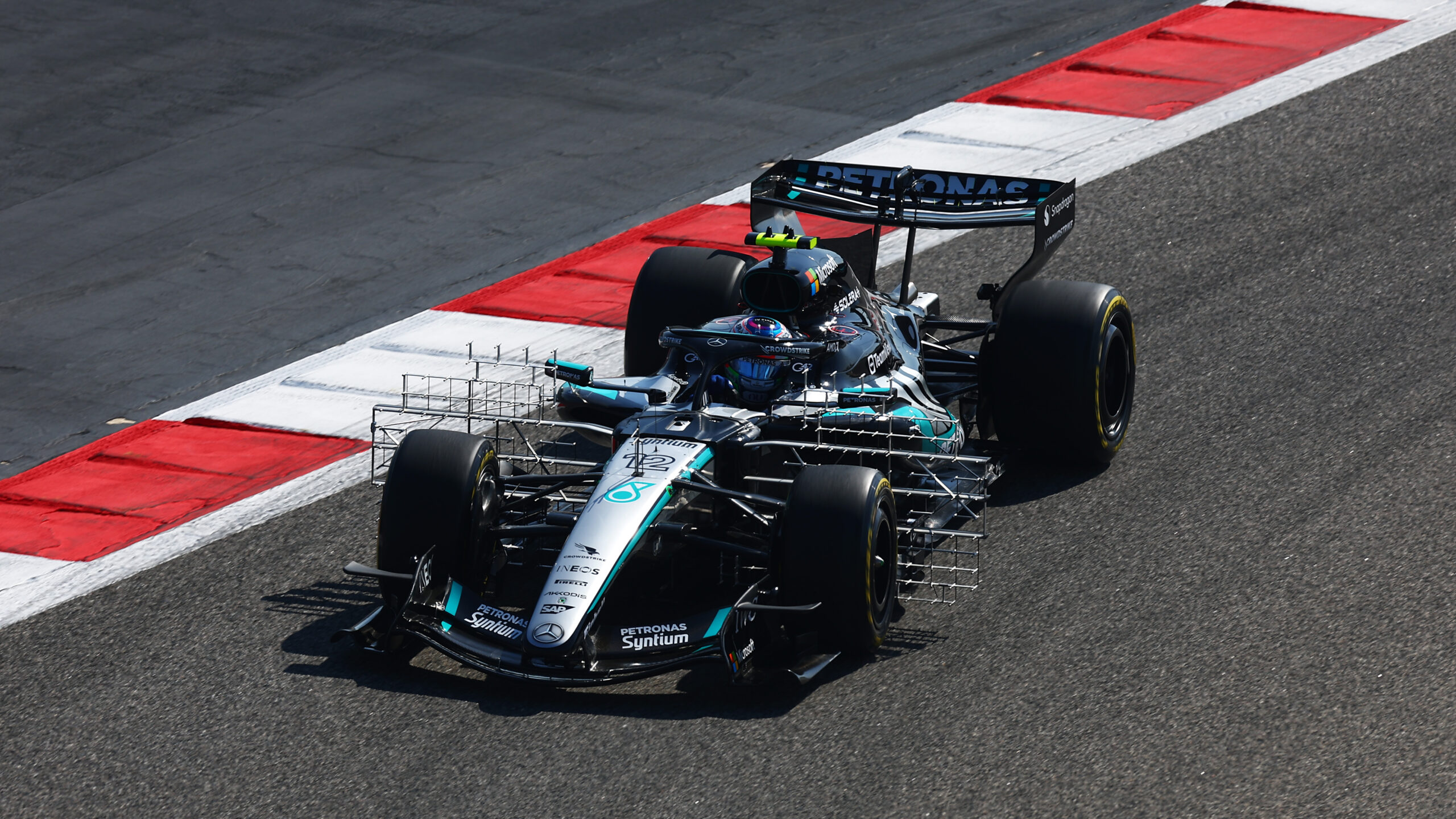
Mercedes team principal Toto Wolff backs a return to V8 engines with electric boost, targeting roughly 1,200 horsepower, as Formula 1 shapes its next power-unit framework for 2030-2031.
His stance follows FIA president Mohammed Ben Sulayem signalling openness to naturally aspirated engines in that timeframe, provided sustainability and cost targets remain credible.

Wolff advocates a simplified architecture retaining hybrid influence. He cites an 800hp combustion unit supplemented by about 400hp of electric deployment to preserve relevance and manageability.

The concept departs from the current turbo-hybrid V6 era, introduced to attract manufacturers and stimulate energy recovery innovation.
Brands including Audi, Honda, General Motors, and Ford engage with F1 under those regulations, either as full entrants or technical partners.
Wolff supports V8 power with electric boost, aiming for about 1,200hp.
Mercedes frames the V8-plus-electric idea as performance-driven yet pragmatic, warning that a purely combustion reset risks looking dated against global battery and charging progress.
Crucially, the team stresses battery influence should remain visible on track, underpinning road-relevant research and protecting manufacturer investment cases.
Proposed split: approximately 800hp combustion plus ~400hp electric deployment.
Simplification is a central theme. A less complex package could reduce costs, ease packaging, and improve raceability, while still delivering headline power figures.
Any shift would also reshape competitive dynamics. Power sensitivity, deployment strategies, and energy recovery windows would define car behaviour and create new development battlegrounds.
FIA leadership signals openness to naturally aspirated engines by 2030-2031.
Governance remains the key hurdle. The FIA and F1 must align manufacturer interests, sustainability claims, and budget frameworks before committing to a new formula.
Fuel strategy will be decisive. Any V8 package would need certified sustainable fuels and strict efficiency targets to satisfy environmental optics and political reality.
There is also timing. With 2026 rules approaching, stakeholders view 2030-2031 as the realistic window for a reset if consensus forms.
Wolff’s position signals Mercedes’ readiness to adapt. The team wants clear guardrails that protect competition, relevance, and cost discipline.
If adopted, a V8-plus-electric package could restore visceral sound and throttle response, while advanced electrification preserves modernity and strategic complexity.
Final decisions are expected several years out, targeting the 2030 or 2031 seasons. Until then, teams will scenario-plan and position for whichever direction prevails.
Visual Summary
⚡
MEGA ENGINE
V8
800hp
800hp
Electric
400hp
400hp
1,200 total horsepower
Wolff: “Bring on the hybrid V8 super era”
F1 Engine Evolution
Mercedes backs a revolutionary engine formula: old-school V8 ⚙️ meets electrifying ⚡ boost for F1’s next era
Hybrid Power
Next-Gen
Simplicity
Next-Gen
Simplicity

Daniel Miller reports on Formula 1 Grand Prix weekends with race-day analysis, team-radio highlights, and point-standings updates. He explains power-unit upgrades, aerodynamic developments, and driver rivalries in straightforward, SEO-friendly language for a global F1 audience.