https://shop.fervogear.com/cart

Hamilton’s Bold ‘No Simulator’ Plan to Revive 2026 Mini-Slump

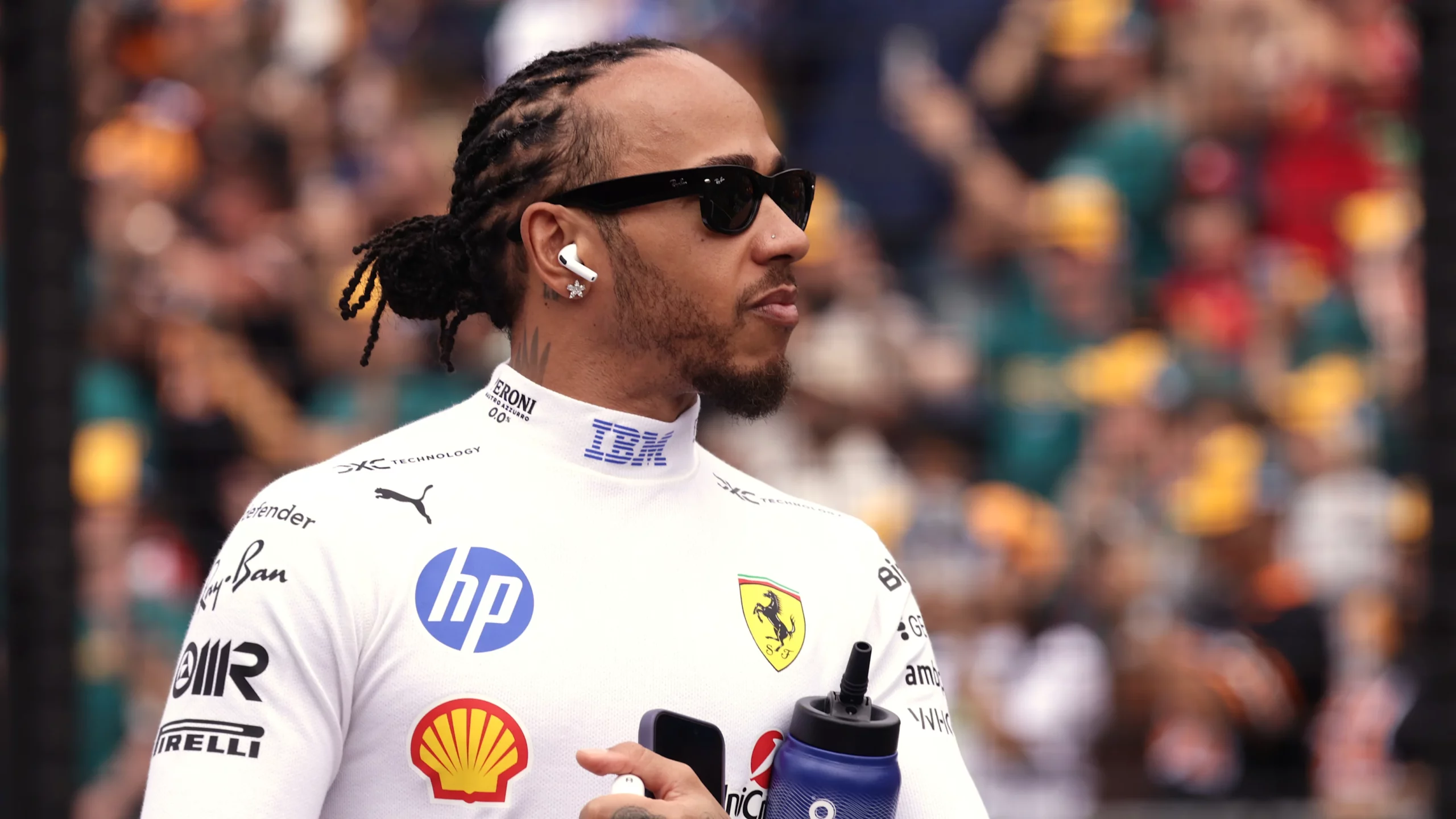
Highlights
- Hamilton plans to reduce simulator use before Canadian Grand Prix.
- Leclerc leads qualifying 4-2 with 0.081 seconds average gap.
- Hamilton struggled with simulator-prepared setup at Miami weekend.
- Collision with Alpine’s Colapinto damaged Hamilton’s car in Miami.
- Both drivers consistently finish in top seven this season.
- Hamilton’s best weekend was Shanghai without simulator preparation.
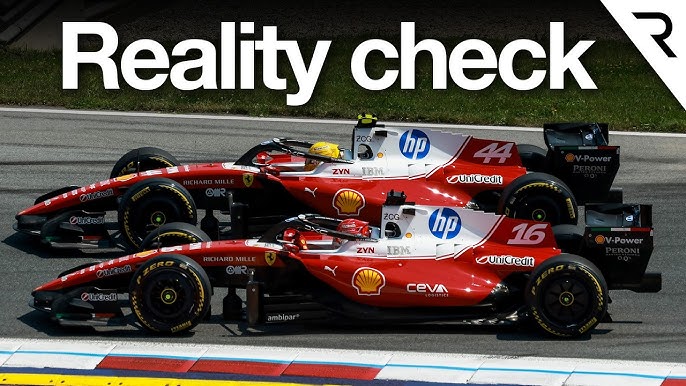
Lewis Hamilton will scale back Ferrari simulator work before the Canadian Grand Prix, seeking to halt a form dip in 2026 while refining correlation between virtual preparation and track reality.
He says recent simulator directions send him the wrong way. He will keep factory briefings and data reviews, but remove pre-event running to establish a cleaner baseline.

Charles Leclerc currently leads qualifying 4–2. The average gap is 0.081 seconds, with a 0.156-second median, reflecting a small but persistent edge for Hamilton’s Ferrari teammate.
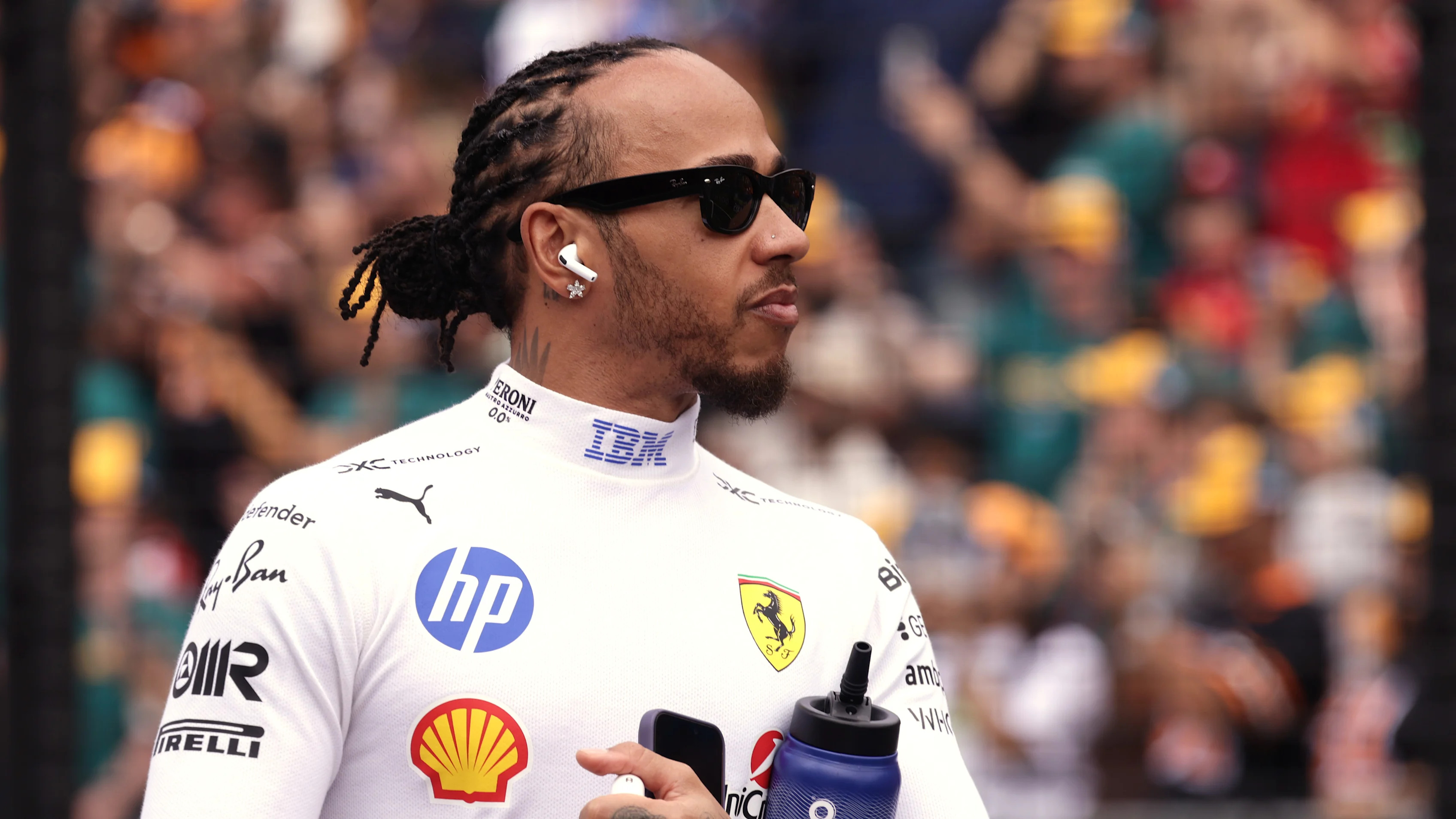
Leclerc leads qualifying head-to-head 4-2 with an average gap of 0.081s.
Despite the swings, both drivers finish inside the top seven in every points-paying session. Hamilton trails Leclerc by eight points in the standings after Miami.
Notably, Shanghai stands out as Hamilton’s strongest weekend. That event falls within a back-to-back, leaving no time for simulator work and producing a car balance he immediately trusted.
Hamilton plans to skip simulator sessions before Canada to avoid “wrong direction” setups.
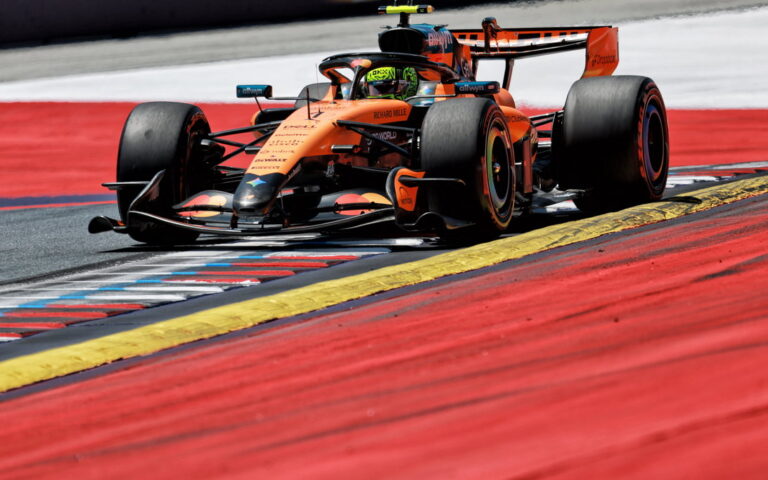
By contrast, his Miami baseline, shaped on the simulator, proves uncooperative. He reports dull turn-in and mid-corner understeer, with the car lacking the snappy response he needs.
Sprint-format time pressure compounds the issue. With one practice session, heavy suspension changes become risky. Hamilton admits starting nearer Leclerc’s baseline might have yielded a better direction.
Leclerc heads every session in the sprint weekend, including all six qualifying phases. Yet he finishes behind Hamilton in the grand prix after incident-driven damage and track-limits drama.
First-lap contact with Franco Colapinto cost Hamilton around 0.5s due to downforce loss.
Hamilton’s race is also compromised. First-lap contact with Alpine’s Franco Colapinto costs around half a second through downforce loss, effectively ending hopes of meaningful recovery.
He describes the resulting stint as being a passenger rather than a contender. Without the damage, he believes the underlying pace looks capable of racing near the front.
Hamilton praises Ferrari’s effort and points to correlation work continuing between Maranello and trackside. He argues the headline result understates progress made through the weekend.
The Canadian Grand Prix will test his revised preparation. Reducing simulator reliance aims to create a simpler baseline and limit mis-correlation risks in an intra-team fight decided by fine margins.
Visual Summary
Instinct
Simulator
Hamilton Ditches the Simulator Road
After Miami struggles, Lewis Hamilton takes a bold new path:
He will trust instinct over the simulator for the next races,
aiming to regain his edge—and close that 8-point gap to Leclerc.
He will trust instinct over the simulator for the next races,
aiming to regain his edge—and close that 8-point gap to Leclerc.
4-2
Leclerc
Outqualifies
Outqualifies
Points Gap
0.081s
Avg.
Quali Gap
Quali Gap
?
?
?
?
?
⚡️
–0.5s/lap
Miami Grand Prix:
First lap damage left Hamilton struggling with downforce, stealing half a second each lap.
First lap damage left Hamilton struggling with downforce, stealing half a second each lap.
Eyes on Canada
Can Hamilton’s break from the virtual world
bring real-world redemption and tip the title fight?
bring real-world redemption and tip the title fight?

Daniel Miller reports on Formula 1 Grand Prix weekends with race-day analysis, team-radio highlights, and point-standings updates. He explains power-unit upgrades, aerodynamic developments, and driver rivalries in straightforward, SEO-friendly language for a global F1 audience.