https://shop.fervogear.com/cart

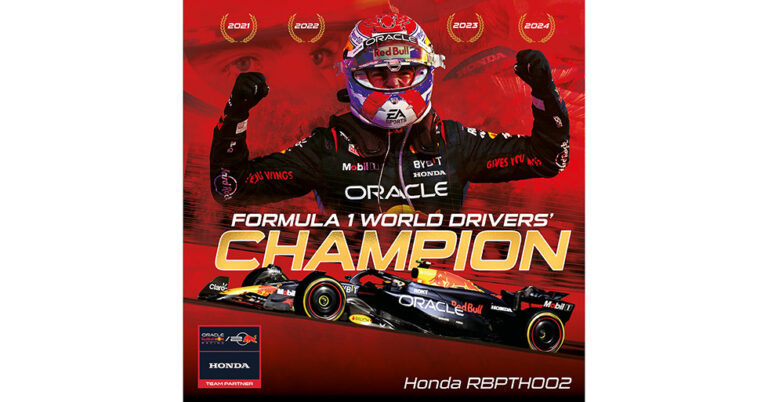
Max Verstappen Stands Firm Against Challenging F1 Setback

Highlights
- FIA updated F1 rules before Miami Grand Prix for safety, qualifying
- Verstappen criticizes new power unit rules as insufficient
- Red Bull car updates helped Verstappen qualify front-row, finish fifth
- Verstappen says drivers still slow down in places due to rules
- Next race in Montreal presents new challenges for Red Bull
- Verstappen cautious on RB22 updates before Canadian Grand Prix
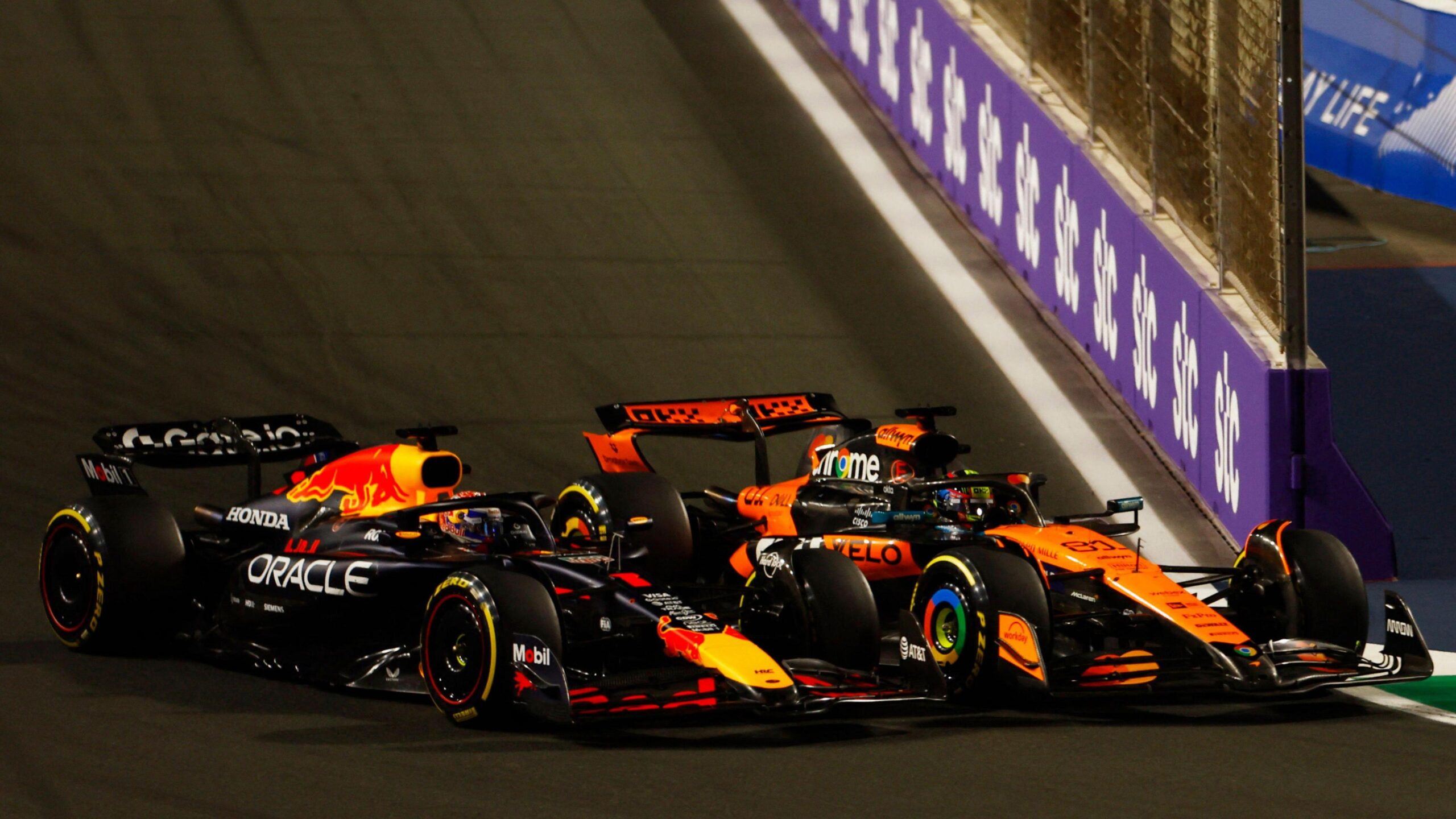
Max Verstappen maintains criticism of the latest Formula 1 regulations despite the FIA’s Miami updates, arguing power‑unit usage rules still compromise the quality of qualifying and racing.
The April changes, created with teams and F1, aim to sharpen qualifying and mitigate safety risks from extreme closing speeds seen in the opening events.

Key tweaks curb energy recovery and reduce reliance on electrical deployment, reshaping lap‑time trade‑offs. Verstappen argues that this framework still rewards pace manipulation over flat‑out driving.
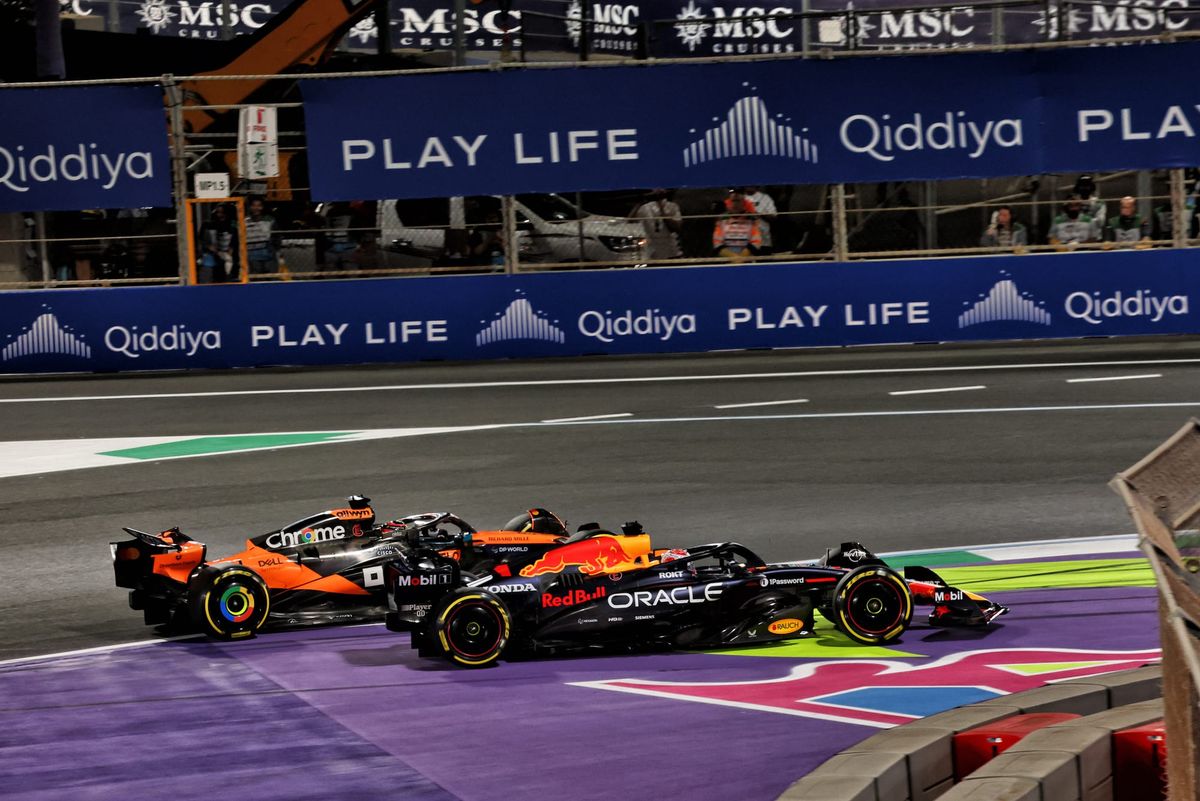
Red Bull also rolls out car updates in Miami. They help Verstappen to a front‑row start and, despite difficulties on Sunday, a fifth‑place finish that stabilizes his campaign.
He separates car progress from regulatory concerns. The RB22 feels easier, yet the rules force counterintuitive management: slowing in some corners to bank speed elsewhere.
“You still need to go a bit slower in places to go faster.” — Max Verstappen
That ‘punishing’ effect, as he describes it, reflects the tension between safeguarding drivers and preserving the purity of qualifying laps.
While safety motives are clear, constrained deployment can compress performance spreads and alter risk‑reward in traffic, discouraging the commitment that defines the best single‑lap runs.
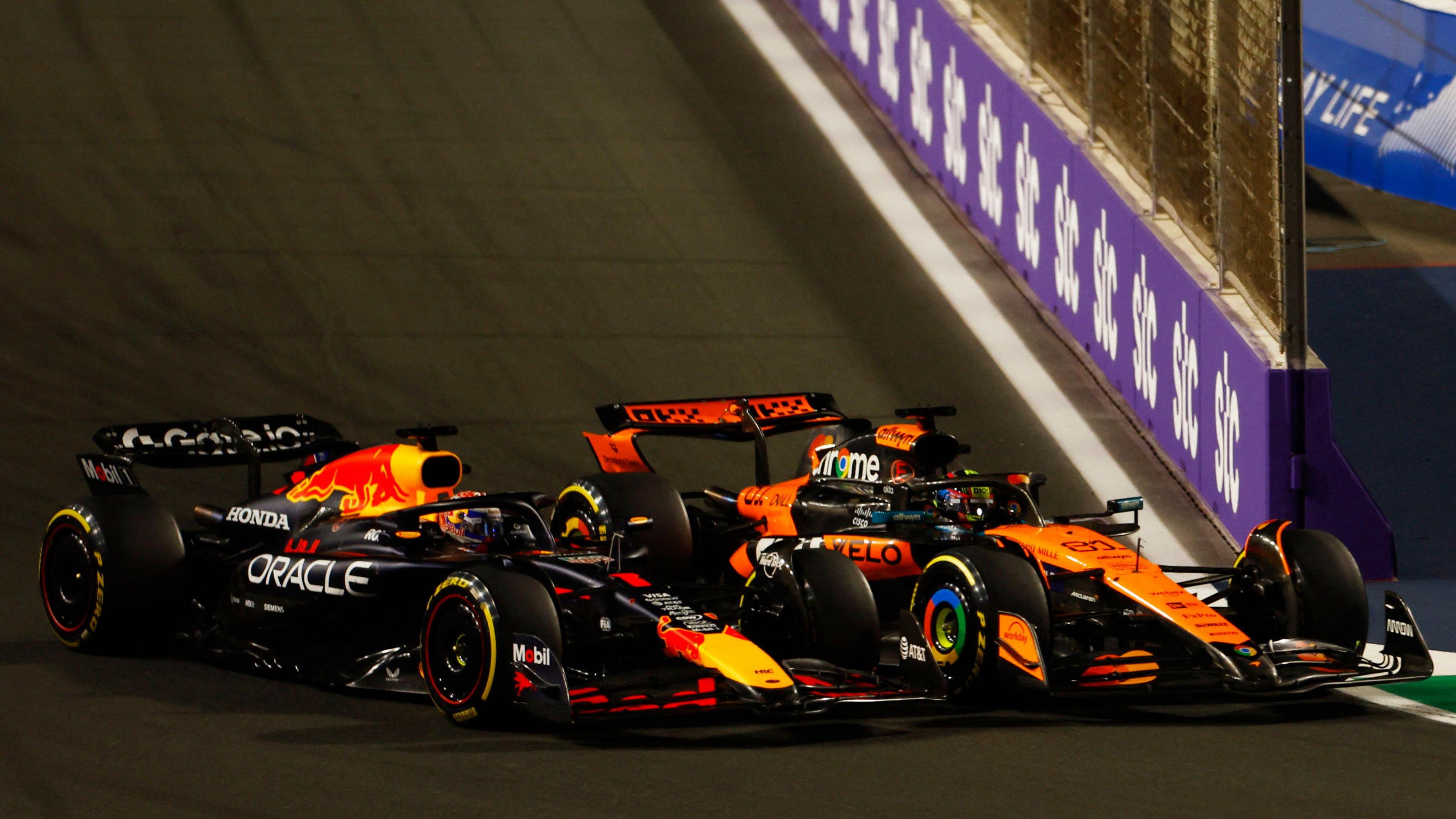
Attention now turns to Montreal. The low‑grip surface, heavy braking zones, and traction demands present a very different test of Red Bull’s recent gains.
Asked about further RB22 developments before Canada, Verstappen offers a cautious “Let’s see,” signalling work in progress without promising immediate upgrades.
FIA’s pre‑Miami update targets qualifying intensity and safety after early‑season closing‑speed scares.
Miami therefore reads as a mixed snapshot: incremental car improvement, partial regulatory relief, yet a format that still feels restrictive to one of the grid’s leading voices.
As the 2026 season unfolds, the debate endures over how to blend innovation, safety, and spectacle without encouraging pace manipulation that undermines the competitive narrative.
Next race in Montreal poses a fresh benchmark for Red Bull’s updates and energy‑management approach.
Visual Summary
“You still need to go a bit slower in places to go faster. So, it’s still not how I would like to see it.”
Max Verstappen, after Miami
?️
FIA tweaks rules
Quali & Power Unit
Quali & Power Unit
?
Drivers frustrated
“Punishing” effect
“Punishing” effect
?
Red Bull upgrades
Next stop: Montreal
Next stop: Montreal
The Drama:
Verstappen blasts new rules as “punishing,” despite front row in Miami and Red Bull’s upgrades. The push & pull of F1 evolves, but does the thrill?
Verstappen blasts new rules as “punishing,” despite front row in Miami and Red Bull’s upgrades. The push & pull of F1 evolves, but does the thrill?

Daniel Miller reports on Formula 1 Grand Prix weekends with race-day analysis, team-radio highlights, and point-standings updates. He explains power-unit upgrades, aerodynamic developments, and driver rivalries in straightforward, SEO-friendly language for a global F1 audience.