https://shop.fervogear.com/cart

Fernando Alonso Justifies Aston Martin Choice: ‘We Could Waste Money’


Highlights
- Aston Martin brought no upgrades to the Miami Grand Prix.
- Alonso cited budget cap limits as reason for no upgrades.
- Team focused on fixing Honda power unit vibrations instead.
- Alonso finished 15th, Aston Martin’s best result this season.
- Major upgrades expected only after the summer break.
- Team aims for bigger performance step rather than minor gains.
Fernando Alonso defends Aston Martin’s decision to bring no upgrades to Miami, arguing the budget cap makes marginal gains poor value after the five-week break.
He says spending now on small parts would not change the team’s competitive position and would compromise resources for a more comprehensive development step later.

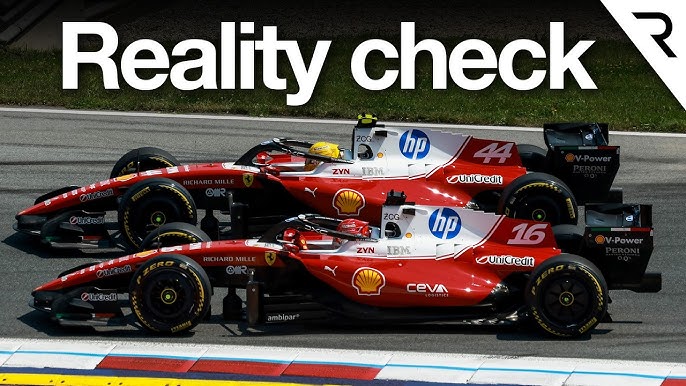
The approach contrasts with Ferrari, which arrives with an extensive package featuring 11 new components aimed at immediate gains in a tightly bunched midfield.

Aston Martin instead targets reliability and drivability by addressing persistent vibrations linked to the Honda power unit that have hampered running earlier in the season.
The team even shipped a chassis to Honda’s Sakura base for correlation work. Alonso reports the vibrations are now acceptable, and the team out-qualifies Cadillac entries for the first time.
Aston Martin prioritises reliability fixes over incremental upgrades at Miami.
On Sunday, Alonso finishes 15th. It is the team’s best result of the season, yet it still underlines the scale of the task against faster rivals.
Significant aerodynamic and mechanical updates are not expected until after the summer break, when Aston Martin targets a larger performance jump rather than iterative race-by-race tweaks.
“If we bring one or two tenths every race, it doesn’t change our position.” — Fernando Alonso
Alonso frames the gap as decisive. He says the car sits P19 or P20, with the next rival roughly one second ahead, so fractional gains do not alter race outcomes.
“I am at peace because I understand the situation,” he says. The focus stays on drivability improvements, while any meaningful performance step of 1.5–2 seconds is deferred.
Major upgrades are targeted for after the summer break to chase a 1.5–2.0s step.
That stance reduces budget pressure and avoids scattering spend on low-return parts, a sensible play under the financial regulations and a recognition of where outright lap time must come from.
The team accepts the next events could be attritional without upgrades. Still, Alonso says morale remains intact as work ramps up for a stronger second half.
The strategy aligns with the cost cap era, which rewards targeted development and penalises inefficiency, as outlined by the new Formula 1 cost cap framework.
Visual Summary
UPGRADE
?
Standing Still, Saving Strong ?
While rivals pressed the UPGRADE button in Miami, Aston Martin stayed patient, choosing to protect their budget until bigger gains become possible later in the season.
Alonso: “Small upgrades won’t move us up – we’d rather wait for a giant leap.”
Season best:
P15
Upgrade budget:
?
?
Aston Martin’s patience means no fireworks now—but big gains and fresh hope may ignite the season after summer.

Daniel Miller reports on Formula 1 Grand Prix weekends with race-day analysis, team-radio highlights, and point-standings updates. He explains power-unit upgrades, aerodynamic developments, and driver rivalries in straightforward, SEO-friendly language for a global F1 audience.