https://shop.fervogear.com/cart

Uncovering Red Bull’s Game-Changing Miami F1 Upgrade

Highlights
- Red Bull introduced major RB22 sidepod upgrades at Miami GP.
- New sidepods feature redesigned upper profile with pronounced air duct.
- Upgrades improve airflow, downforce, and engine heat dissipation.
- Performance gains halve speed gap to leading teams.
- Max Verstappen expected to benefit from ongoing car improvements.
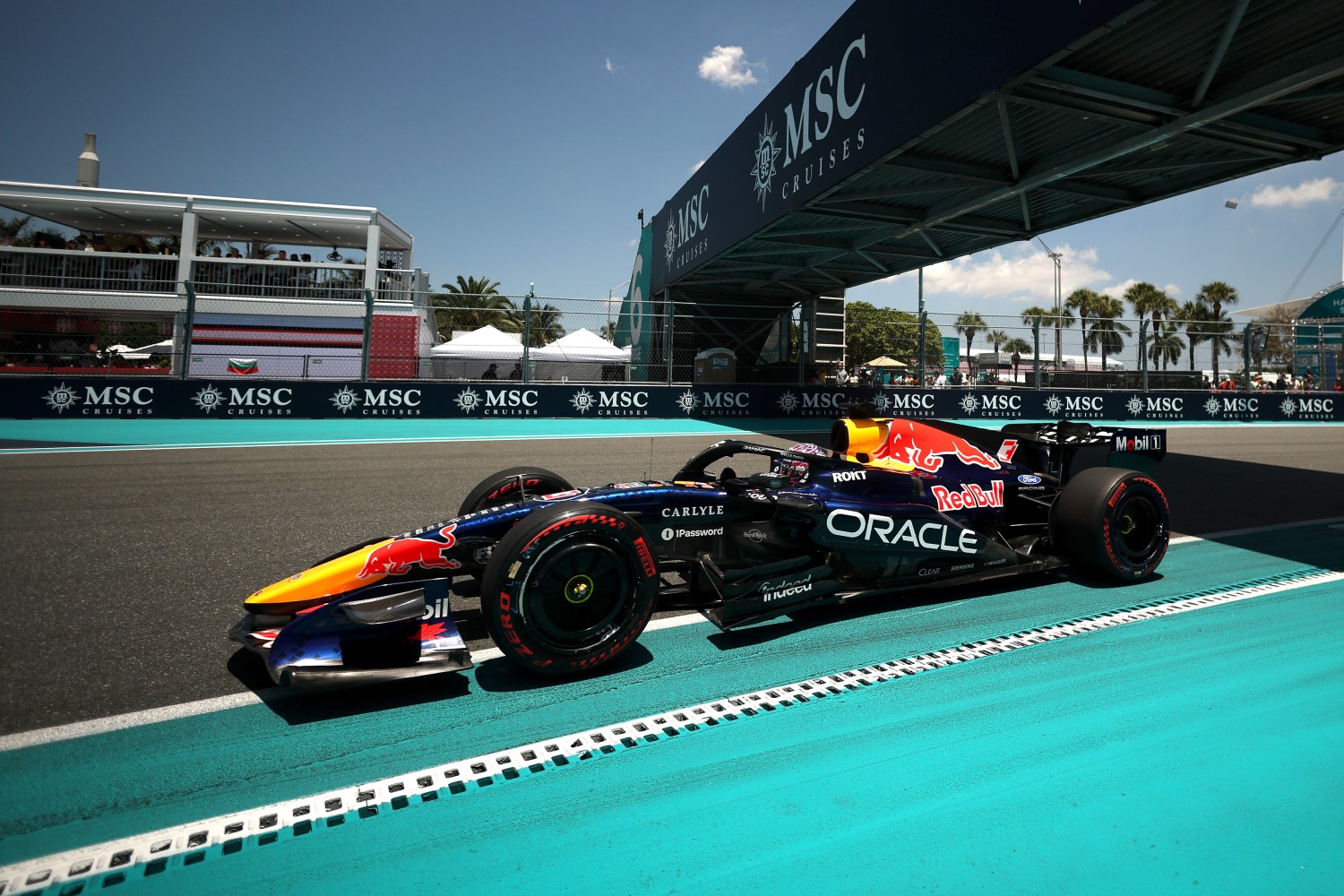
Red Bull Racing arrives in Miami with a major RB22 upgrade after a five‑week break. New sidepods target airflow, cooling, and balance. Early data indicates a reduced deficit to leaders.
The reprofiled upper surface now slopes and houses a pronounced duct, directing flow rearwards. It marks a clear shift in Red Bull’s aerodynamic emphasis since the season opener.

A preliminary shape ran in Japan, but the fully evolved concept debuts in Miami. It builds a higher pressure region at the rear, echoing elements seen on Aston Martin designs.
New RB22 sidepods with a pronounced air duct debut in Miami.
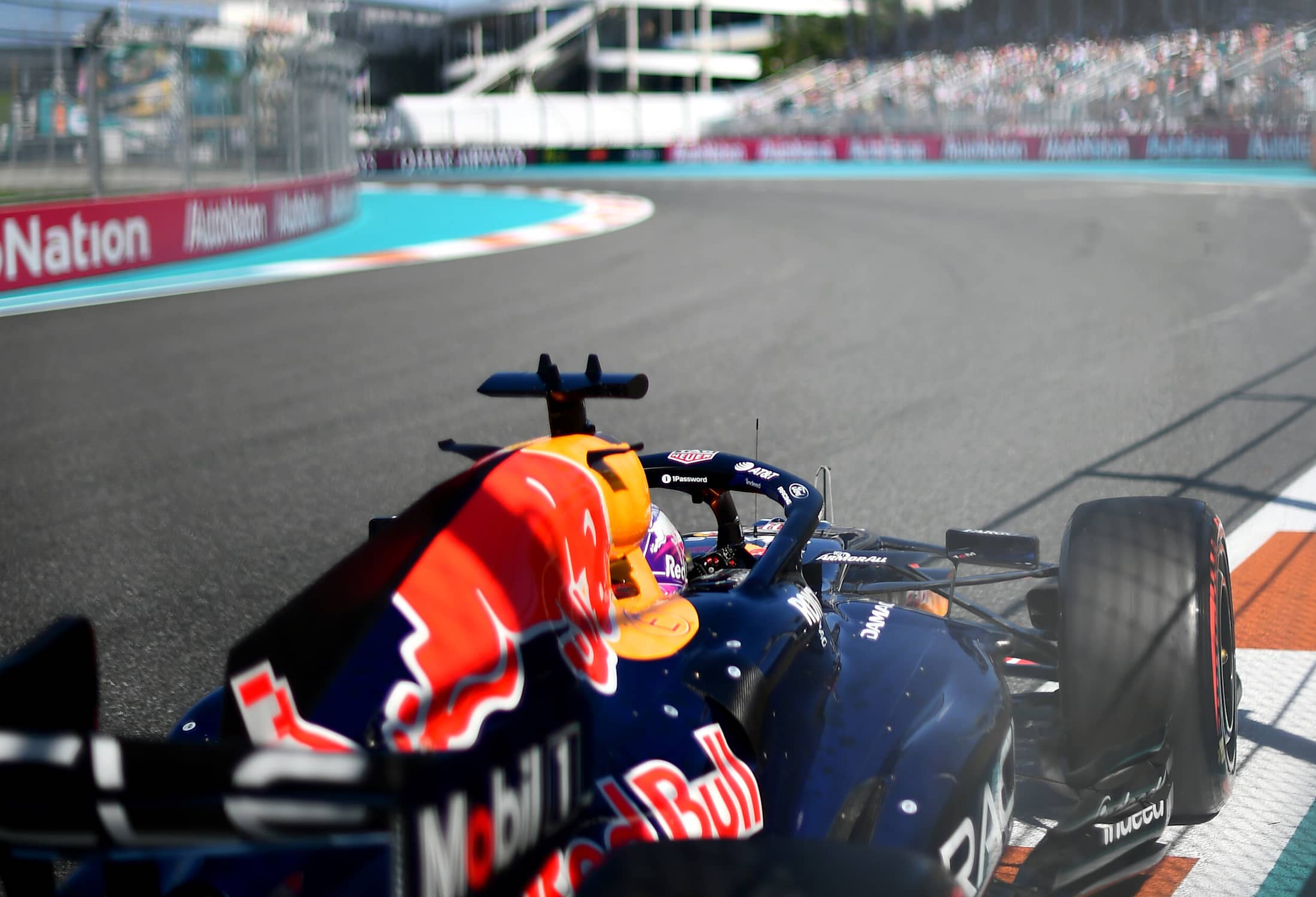
Red Bull integrates the idea into its own architecture rather than replicating it. Revised internal packaging supports the new flow path and preserves the car’s broader aerodynamic philosophy.
The engine cover now wraps more tightly around the power unit. In Miami’s heat and humidity, the team opens a large, curved vent above the engine to manage temperatures.
Crucially, that outlet also guides flow along the bodywork and into the sidepod duct. Managing the boundary layer over the rear surfaces improves efficiency and stability.
Curved engine-cover vent doubles as cooling aid and aerodynamic guide.
Better control of warm, energized flow helps the RB22 generate extra rear downforce. That increases grip in high-speed corners and broadens the usable setup window.
The Miami step delivers a visible performance lift versus the opening three races. The team indicates the upgrade roughly halves its speed gap to the front.
Red Bull believes the Miami package halves the speed gap to the leaders.
Earlier balance limitations hampered confidence and traction. The revised sidepods alleviate many of those issues, though some challenges remain as development continues.
Crucially, the package clarifies Red Bull’s development direction. It aligns cooling solutions with aerodynamic gains, an essential trade-off under current ground‑effect regulations.
Sustained progress should put regular podiums and wins within reach over the next events. Max Verstappen appears well positioned to exploit the car’s improving platform.
Rivals will monitor the concept closely as the season deepens. Visible packaging changes and Miami’s on-track gains make this a significant marker in the 2026 development race.
Visual Summary
⬇️
⬇️
⬇️
?
RB22 – Miami Evolution
Red Bull’s Sidepod Revolution: Upgrades Ignite Pace in Miami
Gap to leaders HALVED
Big engine cooling vent
+ Aero trick
+ Aero trick
Higher DOWNFORCE ⬇️
New sidepods and airflow tweaks mean Red Bull’s RB22 now claws back lost speed. Balance issues are improved — heat managed, downforce added, gap closed.
The Miami package sets a fresh pace as F1’s technical battle heats up for 2026.
The Miami package sets a fresh pace as F1’s technical battle heats up for 2026.
?
Development path locked in— Red Bull targets podiums and wins

Daniel Miller reports on Formula 1 Grand Prix weekends with race-day analysis, team-radio highlights, and point-standings updates. He explains power-unit upgrades, aerodynamic developments, and driver rivalries in straightforward, SEO-friendly language for a global F1 audience.