https://shop.fervogear.com/cart

Charles Leclerc Demands Upgrades After Unveiling Ferrari’s New Plan


Highlights
- Ferrari plans additional upgrades to improve 2026 F1 performance.
- New package shows positive effects but needs further refinement.
- Leclerc stresses importance of precise development under new regulations.
- Ferrari struggles to maintain race pace after strong starts.
- Upcoming upgrades aimed for Canadian and Monaco Grands Prix.
- Team must perfect details to compete consistently with Red Bull.
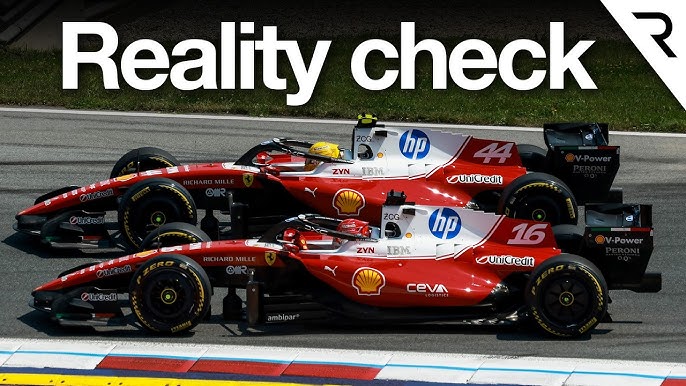
Charles Leclerc confirms Ferrari plans further upgrades in the coming races, responding to uneven form and Miami struggles, as the team pursues sustained pace at the front of the grid.
He says the latest package works as intended and delivers a step, but relative gains narrow as rivals evolve, making precision under the first year of new regulations decisive.

Miami underlined Ferrari’s recurring challenge: converting strong starts into lasting race pace. Leclerc cautions against firm conclusions, arguing the sample size remains small under unfamiliar technical parameters.
Ferrari schedules additional parts for Monaco and Canada, continuing an iterative pathway rather than a wholesale B‑spec shift, aiming to layer performance without destabilising correlation or drivability.
Upgrades targeted for Monaco and Canada form part of an iterative plan, not a B-spec overhaul.
The technical emphasis remains on detail sensitivity: floor efficiency, aerodynamic stability in yaw and ride, and tyre temperature control across stints, where small deltas decide race-long competitiveness.
Leclerc stresses process discipline, rejecting rushed parts without robust validation. Ferrari prioritises wind‑tunnel and CFD correlation, then staged track evaluation in practice to de‑risk setup swings and measurement noise.
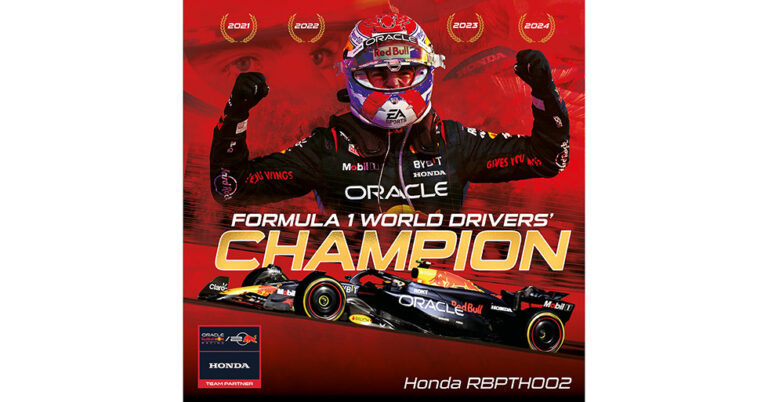
Competitive context remains unforgiving. Red Bull’s baseline efficiency sets the reference, while Mercedes shows intermittent promise. Ferrari needs repeatable execution to translate qualifying potential into Sunday control.

Leclerc warns that rushing unvalidated parts risks correlation and balance.
Operational margins also matter: out‑lap preparation, pit‑stop sharpness, and launch performance. Any small deficit compounds tyre degradation and traffic exposure, eroding stint averages despite strong opening phases.
If the next steps deliver predictable load and cleaner balance, Ferrari can pressure the leaders on varied corner profiles. If not, the team risks oscillating behind the pace-setting benchmark.
Red Bull’s efficiency remains the reference; Ferrari targets repeatable execution on Sundays.
The rollout cadence across upcoming events will be instructive, with back‑to‑back comparisons and driver feedback dictating retention, revision, or reversion as Ferrari chases a stable, scalable development thread.
Visual Summary
Ferrari’s Upgrade Bullseye: Every Detail Counts
Leclerc and Ferrari keep refining:
New upgrades are closing the gap
– but rivals are advancing too.
Every adjustment must be precise.
Their aim: race-winning consistency.
New upgrades are closing the gap
– but rivals are advancing too.
Every adjustment must be precise.
Their aim: race-winning consistency.
Ferrari’s 2026 Performance Target
⬆️ Upgrades Incoming
Target: Perfect execution
Only precision brings Ferrari back on top.
Only precision brings Ferrari back on top.

Daniel Miller reports on Formula 1 Grand Prix weekends with race-day analysis, team-radio highlights, and point-standings updates. He explains power-unit upgrades, aerodynamic developments, and driver rivalries in straightforward, SEO-friendly language for a global F1 audience.