https://shop.fervogear.com/cart

Fernando Alonso Furious Over Losing Nearly a Decade in F1 Career

Highlights
- Fernando Alonso criticizes F1’s hybrid era, calling it a lost decade.
- F1 plans 60/40 ICE to electric power split from 2027.
- FIA announced power unit changes to improve racing engagement.
- Alonso suggests true progress needs next major regulatory phase.
- Mercedes to introduce major upgrade at Canadian Grand Prix weekend.
- Max Verstappen remains strong contender amid evolving 2026 season rules.
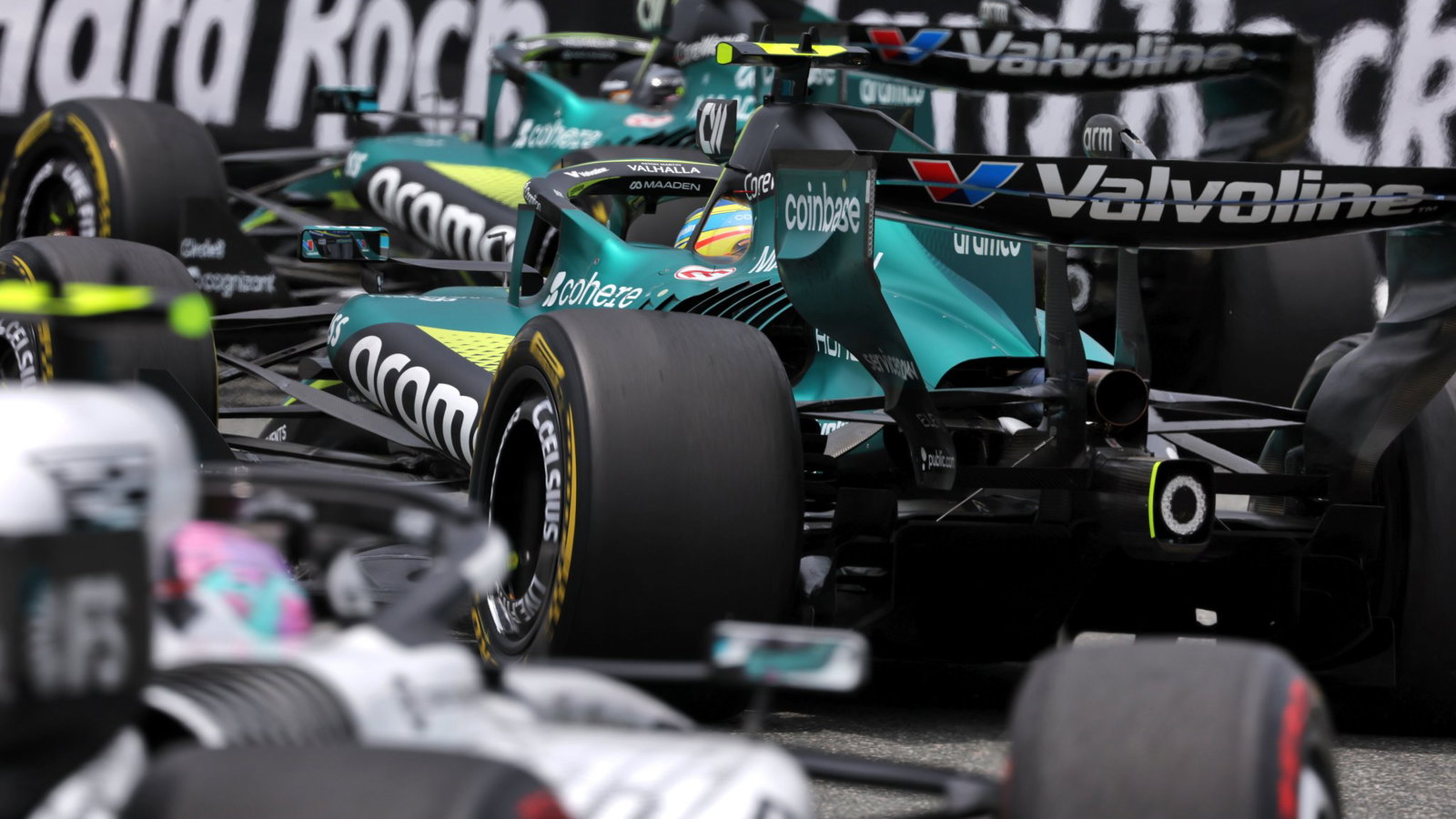
Fernando Alonso delivers a stark verdict on Formula 1’s hybrid era, claiming the sport has lost ‘nearly a decade’ of pure racing ahead of the Canadian Grand Prix media day.
“We’ve lost nearly a decade of pure racing,” — Fernando Alonso.
His comments arrive as F1 readies 2027 power units, shifting to 60% ICE and 40% electric from today’s 50/50, a change announced by FIA president Mohammed Ben Sulayem.

The goal targets engagement by limiting superclipping and reducing lift‑and‑coast stretches that blunt overtaking. Alonso doubts the reset will transform how drivers race or manage energy.
F1 targets a 60/40 ICE‑electric split from 2027, replacing today’s 50/50 balance.
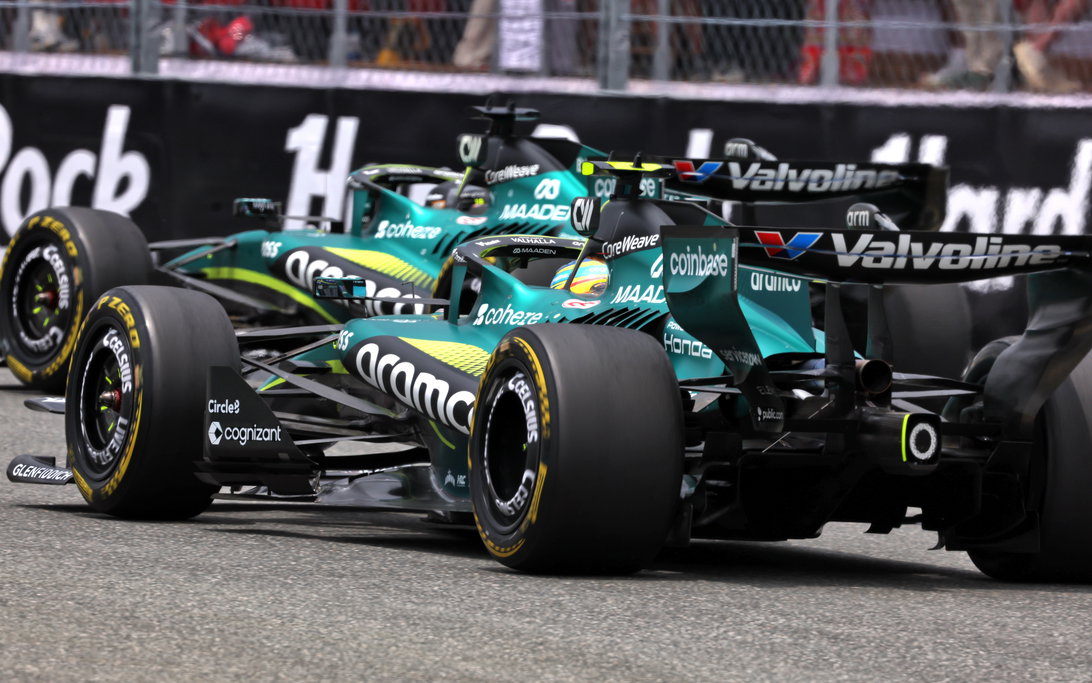
Alonso argues hybrid architecture still rewards backing off in corners to harvest energy, shaping lines and throttle traces more than driver aggression.
He frames 2014 onwards as a compromise steered by broader electrification agendas, not pure motorsport priorities, even as the FIA engages with sustained paddock feedback.
He suggests genuine progress may require the next regulatory phase. Some in the paddock float a V8 return, though that remains hypothetical and politically difficult.
On‑track, energy management continues to choreograph passes. Drivers often attack only when deployment windows align, making tyre and battery targets dictate rhythm more than pace.
Even with a 60/40 split, ERS packaging, harvesting limits, and deployment rules will still push teams to optimise lift points and corner phases rather than encourage flat‑out commitment.
Attention also turns to Mercedes, which plans a significant upgrade for Montreal. The package targets consistent balance across corner phases, an area where the W15 shows narrow operating windows.
Mercedes brings a major Montreal upgrade, chasing a broader, more predictable operating window.
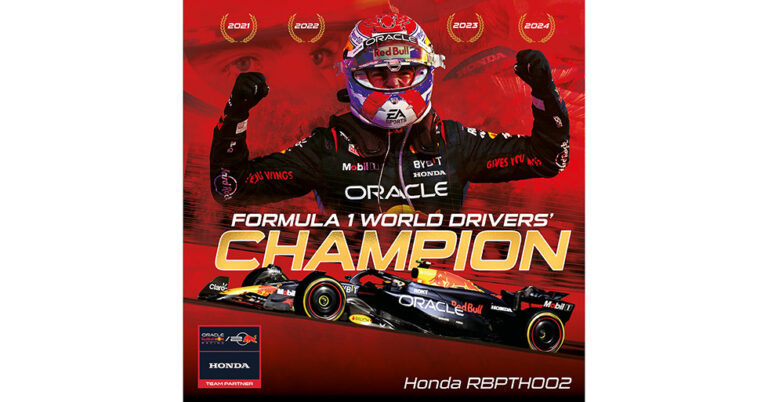
Max Verstappen remains the benchmark, even as rivals close through development. Montreal’s variables—weather, safety cars, and strategy—could still reshape a race tilted toward efficiency.
For Aston Martin, Alonso’s stance echoes season‑long messaging on identity and trajectory. The Aston Martin driver has outlined expectations as the team pursues medium‑term gains.
Recent decisions, including his Aston Martin choice, underline stability over short‑term volatility as rules converge toward 2026’s package integration.
Alonso’s broader outlook also feeds debates about his F1 future, where competitive windows and regulation timing weigh as heavily as raw pace.
Viewed through that lens, his critique reads as strategy: technical direction, not rhetoric, will decide whether racing feels liberated or managed in the seasons ahead.
Visual Summary
PURE RACING
?️
Lost decade of “pure racing”
“Formula 1 has lost nearly a decade of pure racing.”
— Fernando Alonso
2014–2023: “Hybrid era”—Alonso says racing spirit dimmed.
2024: Cracked—uncertain present.
2026: Next-gen rules—first sparks of hope.
V8 Dream: Alonso’s vision for F1’s racing future.
2024: Cracked—uncertain present.
2026: Next-gen rules—first sparks of hope.
V8 Dream: Alonso’s vision for F1’s racing future.

Daniel Miller reports on Formula 1 Grand Prix weekends with race-day analysis, team-radio highlights, and point-standings updates. He explains power-unit upgrades, aerodynamic developments, and driver rivalries in straightforward, SEO-friendly language for a global F1 audience.