https://shop.fervogear.com/cart

Charles Leclerc Exposes Ferrari’s Baffling Weakness: ‘I’m Just Hoping’

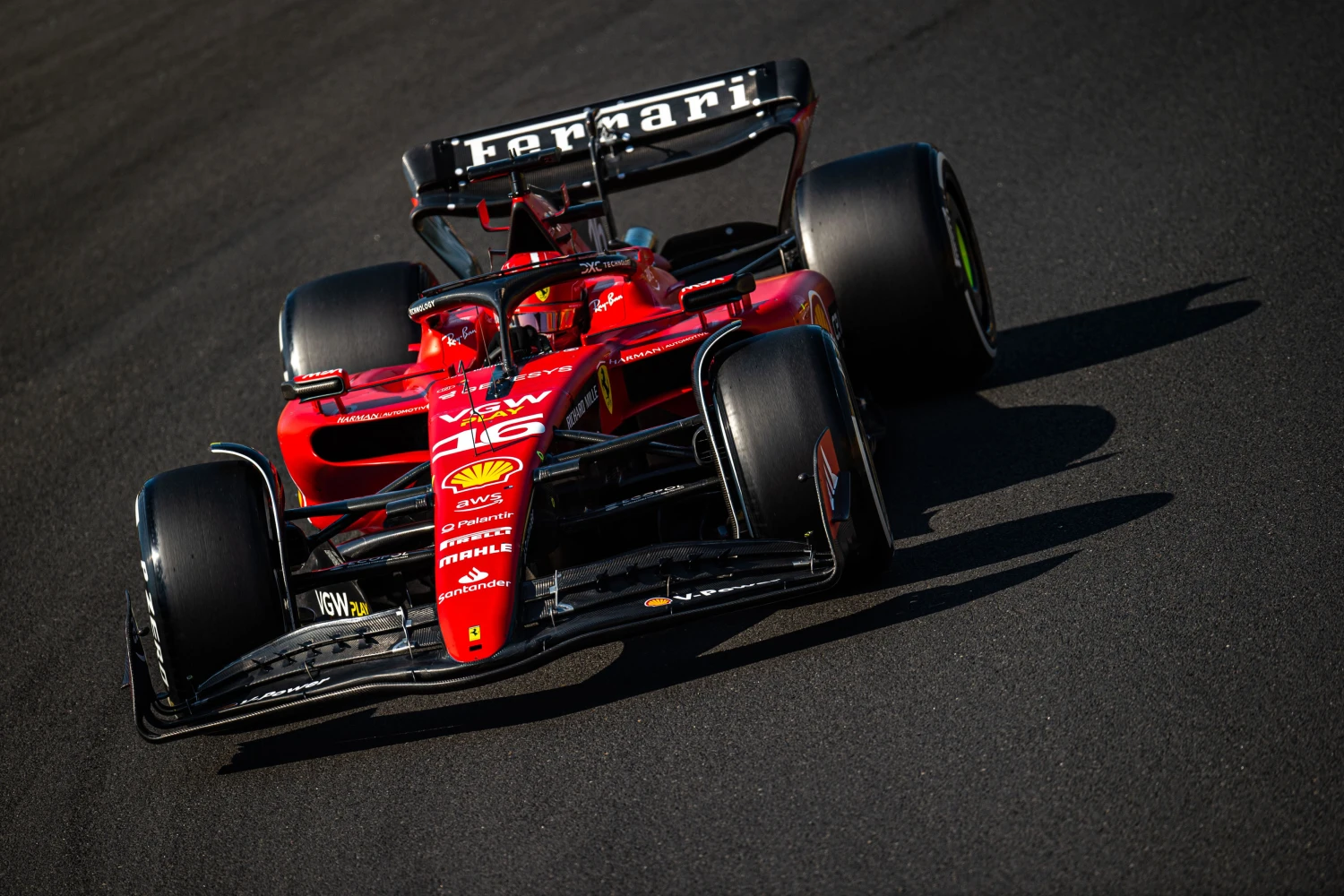
Highlights
- Leclerc out-qualified by Hamilton again in 2026 Canadian Grand Prix Sprint
- Leclerc struggles with brake feeling on Circuit Gilles Villeneuve
- Leclerc to start sixth in Saturday’s Sprint race
- Ferrari’s SF-26 faces power and braking challenges
- Mercedes introduces major upgrades; Verstappen a key contender
- Ferrari seeks solutions to improve Leclerc’s braking confidence
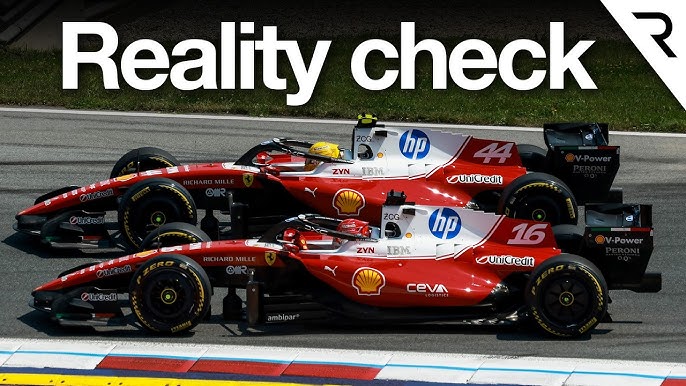
Charles Leclerc reports an inconsistent brake feel in Sprint Qualifying for the 2026 Canadian Grand Prix in Montreal, undermining confidence. Lewis Hamilton out-qualifies him, leaving Leclerc sixth for Saturday’s Sprint.
It is the second time in three Sprint weekends that Hamilton beats Leclerc, after China. Gilles Villeneuve’s repeated heavy-braking zones magnify any instability in pedal feel and front-axle response.

Ferrari still locks out the third row, defying expectations for a difficult Montreal. The SF-26 is compromised on top-end performance by a smaller turbo and associated deployment limits.
“I’m really struggling with the brakes on my side of the garage.” — Charles Leclerc
Leclerc frames braking confidence as a larger problem than outright power. He names Turns 1, 8, 10, and 12 as the most punishing areas, where commitment depends on reliable retardation.
He describes arriving at corner entry uncertain he will stop, despite acceptable balance elsewhere. That doubt costs peak rotation, braking trace consistency, and lap time in the final phase.
“We have quite a good idea of what’s going on. Whether we have a fix is another story.” — Charles Leclerc
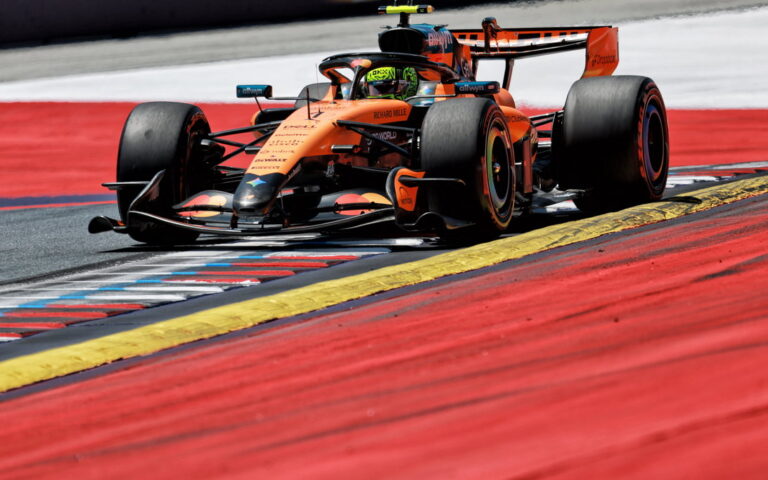
Hamilton appears more comfortable with Ferrari’s setup window. He posts front-row pace early in SQ3, before Kimi Antonelli and both McLarens edge him later in the segment.
Ferrari investigates car-side variables on Leclerc’s chassis, including brake-by-wire mapping, cooling, and pad conditioning. The goal is a consistent pressure ramp and recoverable locking threshold.
Leclerc indicates the team understands the direction, but a guaranteed cure overnight is uncertain. Setup and hardware swaps remain on the table before parc fermé restrictions tighten.

The car’s limitations persist on Montreal’s straights. The SF-26 uses a smaller turbo, trimming deployment and top-end speed, which exacerbates braking demands. Those technical hurdles heighten temperature and tyre sensitivity.
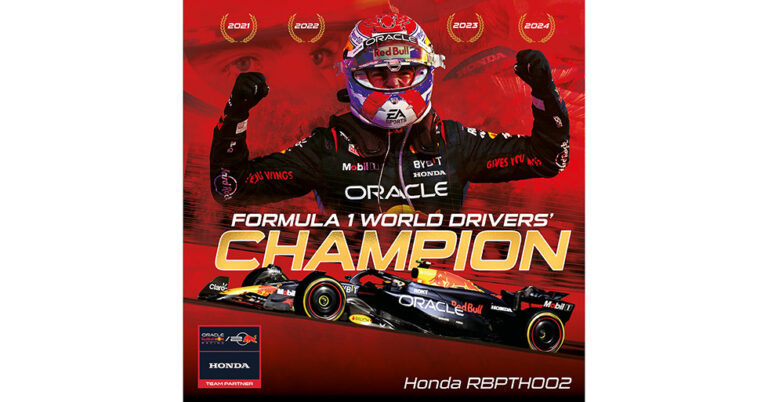
Mercedes introduces a significant upgrade set here, immediately moving the pace markers. Max Verstappen remains a key threat, provided his weekend runs clean and Red Bull’s baseline requires minimal compromise.
Ferrari locks out row three, with Leclerc starting sixth for the Sprint.
From sixth, Leclerc targets damage limitation. Traffic management, energy deployment, and front tyre warm-up could decide whether he holds position or threatens the front-group McLarens.
Beyond Montreal, Ferrari prioritises restoring braking confidence across both cars. That work aligns with recent upgrade efforts and Ferrari’s broader development plan for the coming rounds.
This weekend should reveal whether Ferrari can stabilise Leclerc’s brake feel quickly. Any lingering weakness risks compounding through a schedule that punishes inconsistency more than outright deficit.
Visual Summary
Leclerc’s Brake Feel
Leclerc Hits the Brakes—Hamilton Out-Qualifies Him Again
6th
Leclerc’s Sprint
Starting Place
Starting Place
?
Ferrari’s Brake Issues
+ Power Deficit
+ Power Deficit
1st Row
Hamilton Shines,
Leaves Leclerc Behind
Leaves Leclerc Behind
Hamilton Advantage
Ferrari fights time and technology—can Leclerc get his confidence back before the lights go out?
Montreal’s heavy braking zones magnify Ferrari’s vulnerability—Leclerc and Hamilton still searching for answers.

Daniel Miller reports on Formula 1 Grand Prix weekends with race-day analysis, team-radio highlights, and point-standings updates. He explains power-unit upgrades, aerodynamic developments, and driver rivalries in straightforward, SEO-friendly language for a global F1 audience.