https://shop.fervogear.com/cart

Kimi Antonelli’s ‘Head Loss’ Explained: Why Everyone Wants to See It

Highlights
- Kimi Antonelli frustrated after sprint race clash with George Russell
- Juan Pablo Montoya defended Antonelli’s aggressive racing attitude
- Mercedes will internally review the incident, no immediate penalties
- Antonelli respects team leadership despite emotional radio communication
- Canadian Grand Prix this weekend spotlights Mercedes’ championship duel
Kimi Antonelli voices frustration after Canada’s sprint clash with Mercedes teammate George Russell, urging a penalty over team radio. Mercedes opts for an internal review, avoiding immediate sanctions.
The flashpoint introduces early-season tension within a title-contending garage. Both drivers anchor Mercedes’ 2026 campaign, intensifying scrutiny after incidents highlighted in the Canada sprint battle.
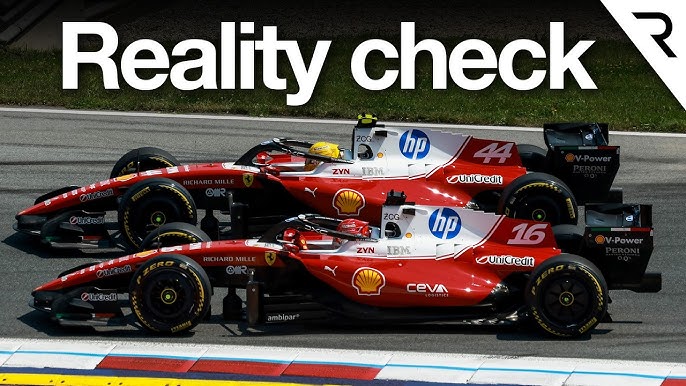
On the final laps, Antonelli and Russell ran wheel-to-wheel. Antonelli was edged wide, then chased Lando Norris with a late lunge. The sequence showcased ambition, but also rising intra-team risk.
“Let them race” philosophy meets limits when title rivals share a garage.
Juan Pablo Montoya defends Antonelli’s reaction. He argues youthful aggression, in a second F1 season, is integral to elite performance, especially in a front-running car. Loss of composure, he suggests, is part of racing’s edge.
The regulatory context matters. Overtaking rules require adequate room, yet sprint racing compresses margins. No immediate team penalty followed, sharpening the ongoing penalty discussion about consistency.
Montoya: Aggression is acceptable if paired with learning and respect for team boundaries.
Toto Wolff indicates the team will handle the matter privately. That stance balances discipline with trust in drivers’ judgement. Recent Mercedes radio exchanges underline how emotion can spill over.
Antonelli’s respect for leadership remains intact, despite the heated message. Mercedes sees a teachable moment. The aim is redirecting intensity into execution, not escalation, as the title battle tightens.
Mercedes will review the clash internally rather than issue immediate sanctions.
From a performance standpoint, both drivers need clear guidelines. Overlap thresholds, corner ownership, and recovery protocols can reduce risk. Clarity helps preserve points and parts through a congested sprint-heavy calendar.
The Canadian Grand Prix places their partnership under the microscope. How they race each other will influence strategy calls, pit priorities, and development direction across upcoming upgrades.
Antonelli’s growth curve remains steep. Lessons from this clash should feed decision-making, as explored in recent analysis of his errors. The objective is faster learning without blunting aggression.
Equally, Russell’s defensive choices face scrutiny. Establishing consistent standards internally prevents future flashpoints. That could protect Mercedes’ constructors’ ambitions while keeping both drivers in championship contention.
Visual Summary
Antonelli
Forced wide! “He needs a penalty!”
⚡
Russell
Holds line (no penalty)
?️
Montoya: “Aggression is what makes racing great. Antonelli’s passion = future champion.”
?
Wolff: “We’ll handle it inside Mercedes.”
Championship tension peaks in Canada!
Next round: Antonelli ?? Russell
Antonelli
Russell
Tension/Radio
Russell
Tension/Radio

James William covers the IMSA WeatherTech SportsCar Championship, from the Rolex 24 at Daytona to sprint-race formats. His reports include prototype performance reviews, GT class battles, and pit-stop strategy insights for endurance-racing fans.