https://shop.fervogear.com/cart

F1 Disagreements Exposed as Crucial Rule Change Faces Uncertainty

Highlights
- Formula 1 proposes 60:40 ICE to battery power split for 2027.
- Audi and Ferrari oppose the new power unit split proposal.
- Mercedes HPP and Red Bull Powertrains support the power split change.
- PUAC approval requires four PUMs plus FIA and F1 agreement.
- Chassis modifications needed due to increased fuel flow to ICE.
- Teams continue talks to balance competitiveness, costs, and technical challenges.
Formula 1’s plan to shift 2027 power units to a 60:40 ICE-to-battery split remains uncertain after fresh disagreements among manufacturers and stakeholders surfaced around the Canadian Grand Prix.
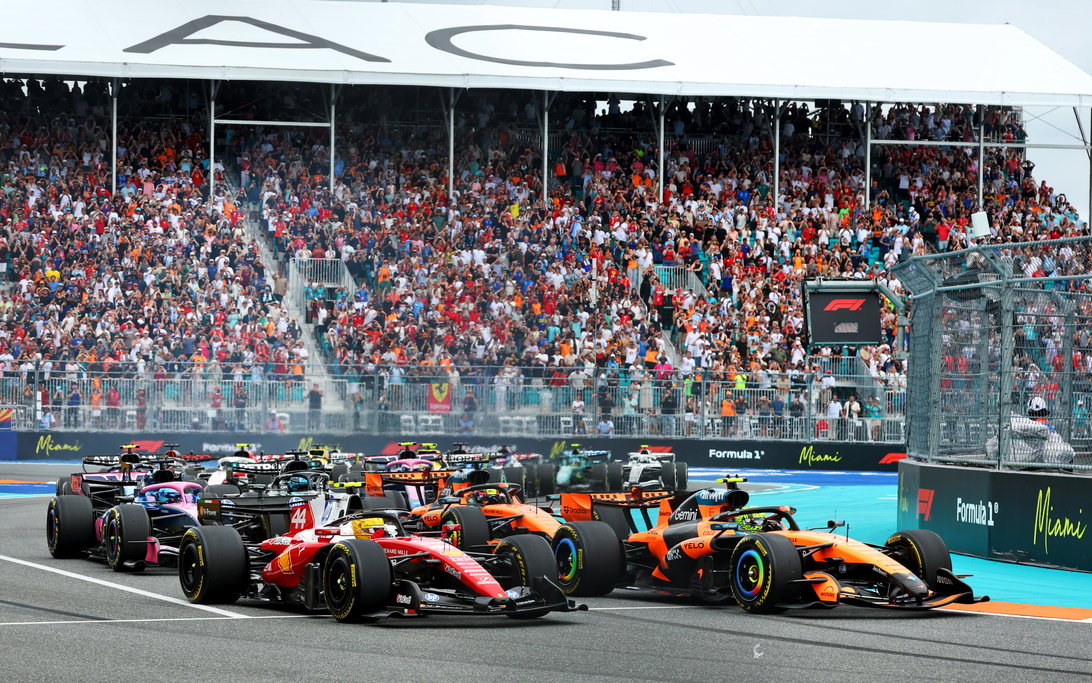
The change, trailed at Miami to reduce super-clipping and lift-and-coast, would replace the current 50:50 balance. It targets improved race quality but now confronts diverging competitive and technical priorities.

Any alteration requires a Power Unit Advisory Committee supermajority: four of five manufacturers plus the FIA and Formula 1. Audi and Ferrari oppose the shift, while Honda is open-minded. Ferrari’s stance on rule changes reflects deeper strategic concerns.
PUAC ratification demands four of five PUMs, the FIA, and Formula 1 align on the proposal—an unusually high bar for mid-cycle technical change.
Mercedes HPP and Red Bull Powertrains support the proposal. Williams principal James Vowles, aligned with Mercedes, describes talks as robust but controlled, with all 11 teams constructively engaged.
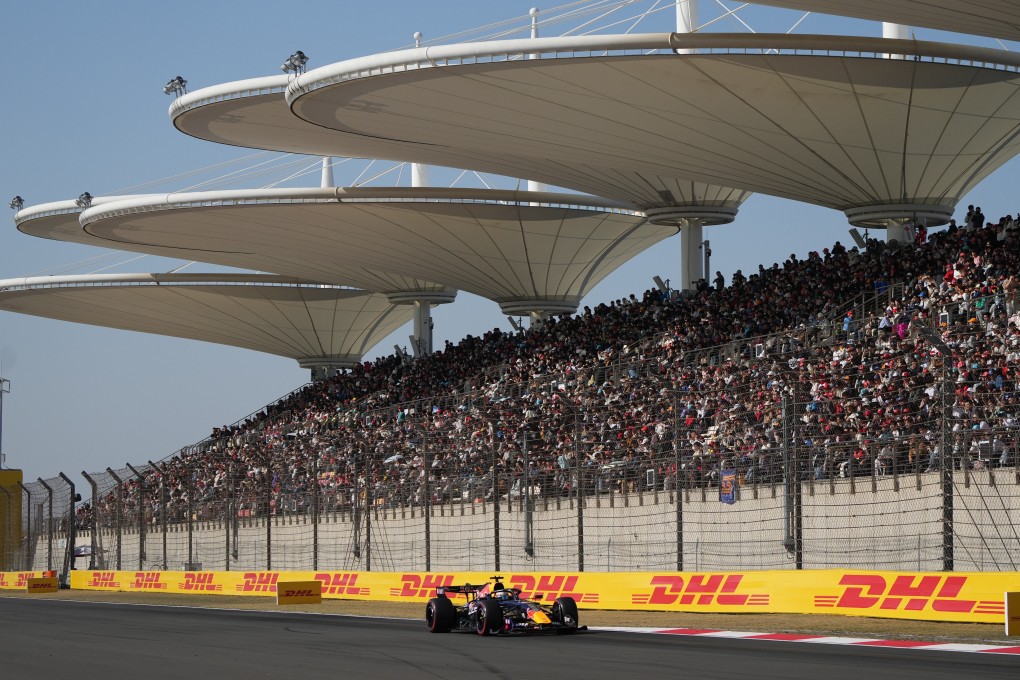
Vowles notes racing quality has improved at events like Miami and Shanghai, but qualifying remains uneven. The real tension lies in how quickly manufacturers can adapt to revised performance targets. Stakeholders’ positions on F1 rule changes continue to evolve.
Audi and Ferrari oppose the 60:40 shift; Mercedes HPP and Red Bull Powertrains back it; Honda remains flexible on direction.
Power unit development lead times are long. Hardware often needs committing 12–18 months ahead, making rapid pivots costly and logistically complex across supply chains and calibration workstreams.
Technically, a 60:40 split primarily increases fuel flow to the ICE. Current chassis and fuel systems are designed around a 50:50 assumption, so packaging and tank volume changes may be required.
The FIA’s analysis focuses on keeping electrical system targets within universally achievable limits. Avoiding forced chassis redesigns is critical, as many teams plan to carry over existing platforms.
Vowles believes necessary tweaks are manageable. He highlights close FIA dialogue and says compromises are emerging to limit disruption while addressing energy deployment weaknesses seen under current rules.
Moving to 60:40 would demand careful fuel-tank and packaging reviews, but teams expect changes that avoid derailing 2027 chassis plans.
With decisions looming following the latest Montreal meetings, the timeline tightens. The verdict will define the 2027 regulatory baseline and competitive landscape, amid ongoing cost and parity concerns. Why F1 rule decisions risk delay underscores the stakes.
Consensus remains possible, but only if targets balance performance, manufacturability, and cost control. Until then, the 60:40 proposal sits in the balance, its future dependent on alignment across stakeholders.
Visual Summary
Ferrari
Audi
Audi
Mercedes
Red Bull
Red Bull
Honda
50:50
60:40
Formula 1’s 2027 Power Split Uncertain
DIVIDED GRID
?❌
TECH TUG-OF-WAR
⚡?⛽
?
4/5
PUMs needed for rule change
?⏳
12–18
Months needed for engine changes
?️
Chassis Impact
Fuel tank & design must adapt
Future split: Still Trembling ?
Formula 1’s 2027 power battle:
The shift to a 60:40 ICE:battery split divides the grid.
Technical complexities, costs, and a split among teams means the needle
— and the future — is still undecided.
The shift to a 60:40 ICE:battery split divides the grid.
Technical complexities, costs, and a split among teams means the needle
— and the future — is still undecided.

Daniel Miller reports on Formula 1 Grand Prix weekends with race-day analysis, team-radio highlights, and point-standings updates. He explains power-unit upgrades, aerodynamic developments, and driver rivalries in straightforward, SEO-friendly language for a global F1 audience.