https://shop.fervogear.com/cart

Max Verstappen Given Key Opportunity Amid Red Bull Tensions

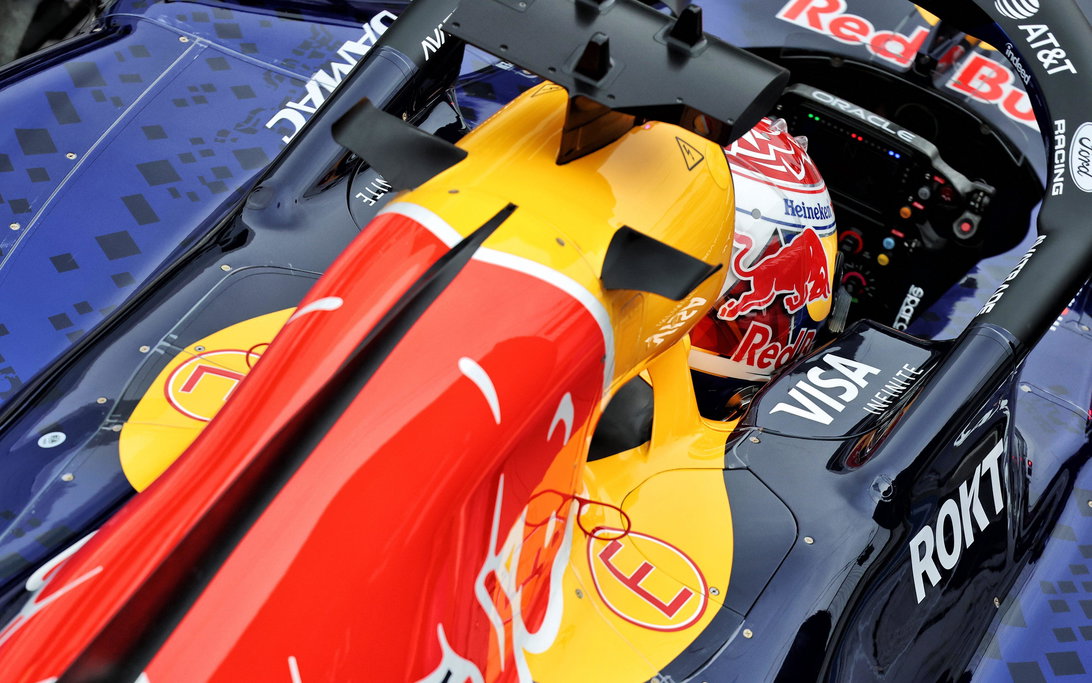
Highlights
- Max Verstappen frustrated with Red Bull’s setup choices in Canada.
- Verstappen disagreed with team direction despite podium finish.
- Ralf Schumacher highlighted visible tension between Verstappen and Red Bull.
- Verstappen urged Red Bull to consider his setup proposals moving forward.
- Team’s decision sparked debate on internal communication and collaboration.
- Upcoming races will show if Red Bull aligns with Verstappen’s feedback.
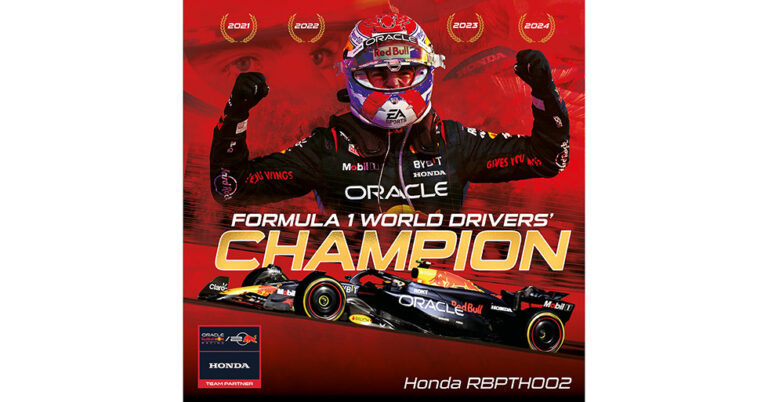
Max Verstappen publicly challenged Red Bull’s setup call after the Canadian Grand Prix, arguing his preferred direction was ignored despite a first podium of the season.
He said the team was convinced its configuration would work. Verstappen disagreed, citing balance limitations on the RB22 that constrained pace and confidence across the weekend.

The dispute surfaced post‑race, when Verstappen’s comments framed a clear difference of opinion on car preparation and driver input weighting within Red Bull’s operations group.
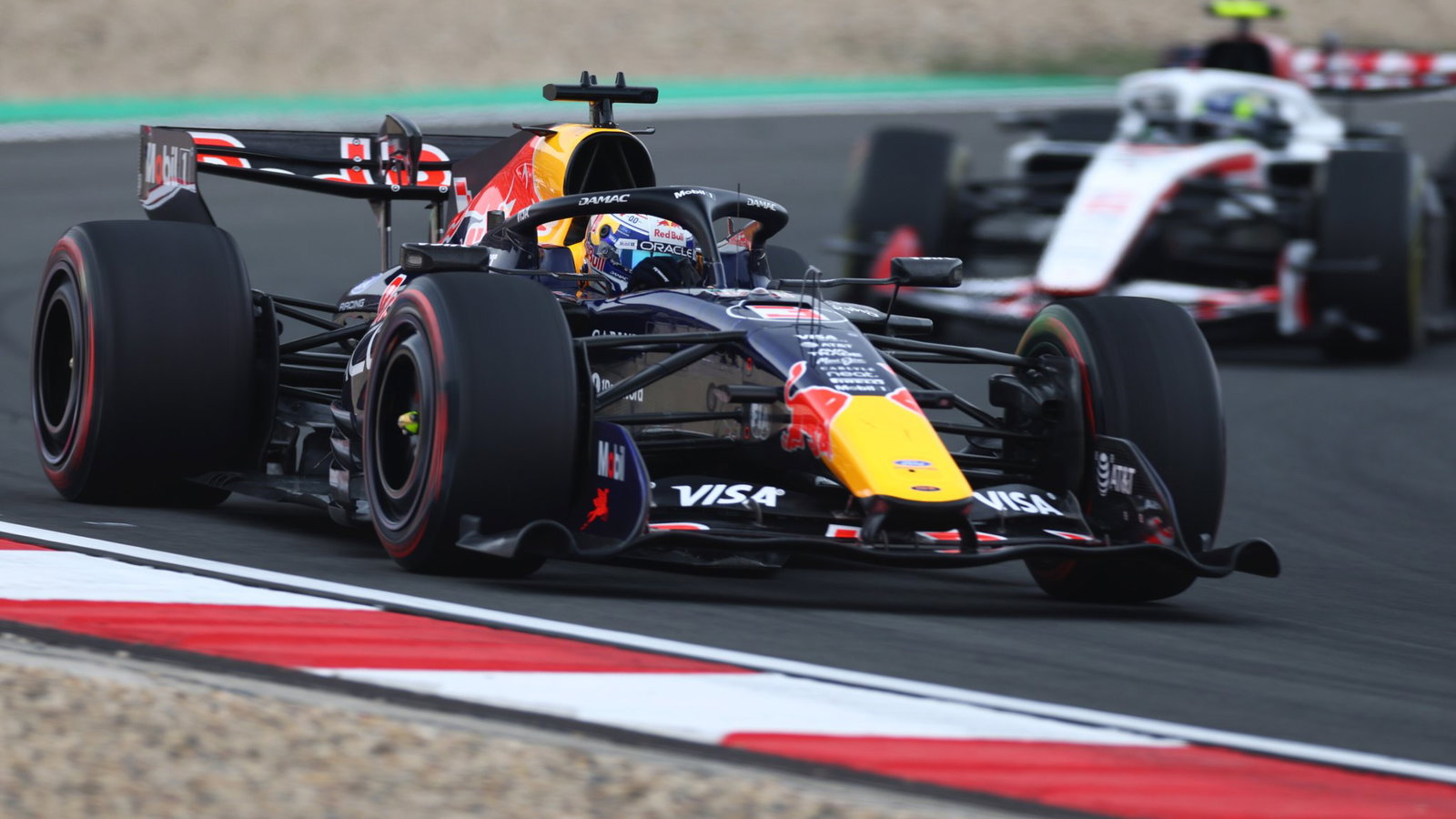
Ralf Schumacher, speaking on the Backstage Boxengasse podcast, said Verstappen “didn’t mince words,” adding the criticism made tensions visible and should ideally remain internal.
He argued the episode gives Verstappen a clean runway to validate his proposals. If adopted, they must translate into predictable balance and tyre usage across stints.
“I told them it’s all wrong,” Verstappen said after Canada, despite the podium finish.
Such friction is not unusual when correlation questions arise between simulator, wind tunnel, and track. It becomes pivotal when parc fermé rules reduce scope to pivot mid‑event.
Red Bull’s task is to refine the compromise window around ride, kerb compliance, and aero platform stability. Verstappen wants greater latitude for his preferred baseline.
Red Bull declined Verstappen’s setup preference for the RB22, backing its own pre‑event direction.
The dynamic will shape near‑term development choices and race‑by‑race setup frameworks. It also influences confidence, which drives execution under variable conditions and traffic.
This follows recent flashpoints over direction and communication, echoing recent confusion around priorities and responsibilities.
Verstappen’s stance is clear: implement more of his input and measure the outcome. That places accountability on both driver and team heading into the next events.
Ralf Schumacher: visible tension is clear, but disagreements should be handled internally.
The implications extend to Red Bull’s season objectives and the broader title picture, including the evolving technical landscape for the 2026 championship.
How Red Bull calibrates this relationship will be instructive. The team may adjust their approach if Verstappen’s route reliably unlocks balance and race‑relevant performance.
Upcoming rounds will test whether Verstappen’s approach restores front‑running pace and consistency.
Verstappen is pushing for greater involvement in setup calls after Canada. That aligns with his demand for involvement as Red Bull targets a sustained front‑row threat.
Visual Summary
MAX
?
Verstappen’s
Setup Ideas
Setup Ideas
TEAM
?
Red Bull
Strategy Call
Strategy Call
Podium, but off-balance
Internal Tug-of-War Over Car Setup
?
Tension
⚡
Verstappen vs Red Bull: Frustration, Podium… and a Point to Prove
Verstappen publicly challenged Red Bull’s engineering choices after finishing 3rd in Canada.
Will the team listen to their star driver’s setup instincts next time, or will the internal tug-of-war continue? The road to the front is now about trust—and timing.
Will the team listen to their star driver’s setup instincts next time, or will the internal tug-of-war continue? The road to the front is now about trust—and timing.

Daniel Miller reports on Formula 1 Grand Prix weekends with race-day analysis, team-radio highlights, and point-standings updates. He explains power-unit upgrades, aerodynamic developments, and driver rivalries in straightforward, SEO-friendly language for a global F1 audience.