https://shop.fervogear.com/cart

Lewis Hamilton Shares Max Verstappen’s Strange Feeling Moment


Highlights
- Lewis Hamilton finds current F1 era unconventional and less thrilling
- Max Verstappen calls F1 “too complex,” proposes 60/40 combustion electric mix
- Hamilton and Verstappen shared podium at 2024 Canadian Grand Prix
- Mercedes’ Kimi Antonelli won the Canadian Grand Prix
- Drivers debate balance of aerodynamic and powertrain complexity in F1
- F1 to face new regulations and calendar changes in 2026 season
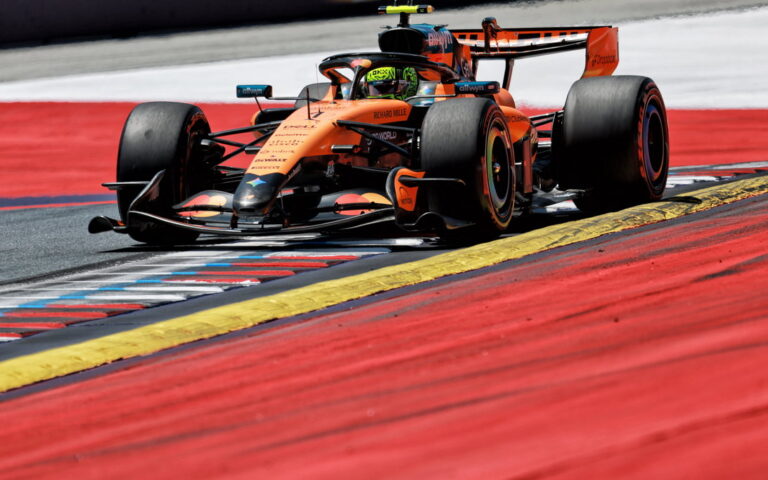
Lewis Hamilton reiterates that Formula 1’s current direction is “not what motorsport should be,” aligning with Max Verstappen’s recent criticism after five races of the new ruleset.
The seven-time champion says he settles into a rhythm in Montreal’s Canadian Grand Prix, yet still feels uneasy with how the cars deliver performance.

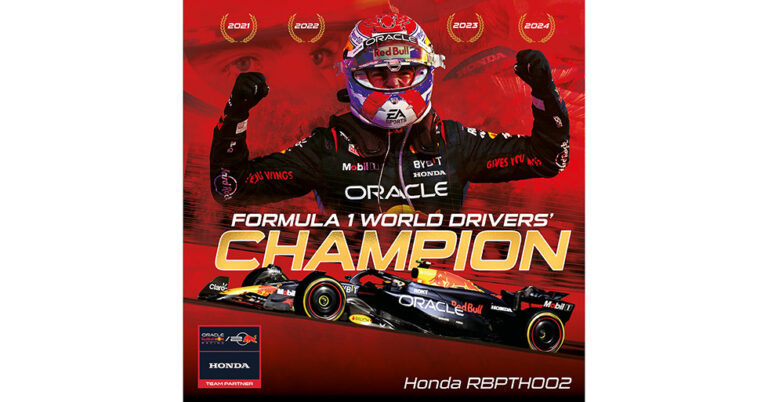
Verstappen labels the formula “too complex” and advocates a power split of roughly 60% combustion and 40% electrical energy. He admits even that compromise falls short of the racing purity he wants.

In Montreal, Kimi Antonelli wins for Mercedes, with Hamilton second and Verstappen third. It is their first shared podium since the 2024 British Grand Prix, underscoring a shifting competitive picture.
Hamilton enjoys the wheel-to-wheel elements, especially his battles with Verstappen, but argues the power unit’s character reduces the visceral thrill.
He highlights a mid-straight drop in power delivery that contrasts with the sustained acceleration of earlier V8 and V10 eras. The effect blunts the sensation drivers once relied upon.
Hamilton: the current era is “not what motorsport should be.”
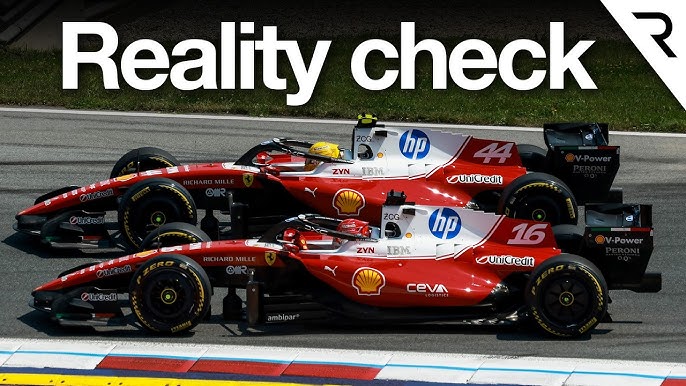
Both drivers accept the cars race more closely thanks to aero intent, yet they question whether energy deployment rules create the right kind of spectacle and driver engagement.
Verstappen’s critique focuses on simplicity and consistency. He wants clearer, more predictable performance without layers of hybrid management defining key race moments.
The variable phase-in and phase-out of electric boost changes corner-to-straight dynamics. It complicates set-up choices, energy targets, and overtaking timing across stints.
Racecraft now demands precise deployment mapping, lift-and-coast trade-offs, and battery state management. That can dilute the driver’s feel and spontaneity when runs are forming out of corners.
Verstappen: F1 is “too complex,” proposing a 60/40 combustion–electric split.
Mercedes’ win via Antonelli suggests momentum, while Hamilton’s satisfaction stems from execution rather than pure sensation. Across the paddock, the Red Bull–Verstappen dynamic remains central to how the grid evolves.
With 2026 rules and calendar changes approaching, driver feedback could still shape key details. The opportunity for Verstappen to influence direction is part of the political backdrop.
First Hamilton–Verstappen joint podium since the 2024 British Grand Prix.
Both Hamilton and Verstappen endorse closer racing but want a more engaging power experience. The sport now balances innovation with spectacle as teams refine understanding of this ruleset.
Visual Summary
60% Combustion
40% Electric
PURE vs COMPLEX
“Not what motorsport should be.”
– Hamilton
– Hamilton
“Too complex. Bring back the purity.”
– Verstappen
– Verstappen
Full-speed V8 (gone)
→ Hybrid Haze
Will Formula 1 choose thrill or technology?

Daniel Miller reports on Formula 1 Grand Prix weekends with race-day analysis, team-radio highlights, and point-standings updates. He explains power-unit upgrades, aerodynamic developments, and driver rivalries in straightforward, SEO-friendly language for a global F1 audience.