https://shop.fervogear.com/cart

Pain Forces Fernando Alonso to Consider Early Retirement, Aston Martin Explains

Highlights
- Alonso retired from Canadian GP due to worsening back pain.
- Aston Martin links pain to AMR26 seat pressure point.
- Seat design positions drivers nearly flat for aerodynamic gains.
- Team plans to adjust seat angle to improve driver comfort.
- Alonso’s health prioritized amid ongoing ergonomic and performance balance.
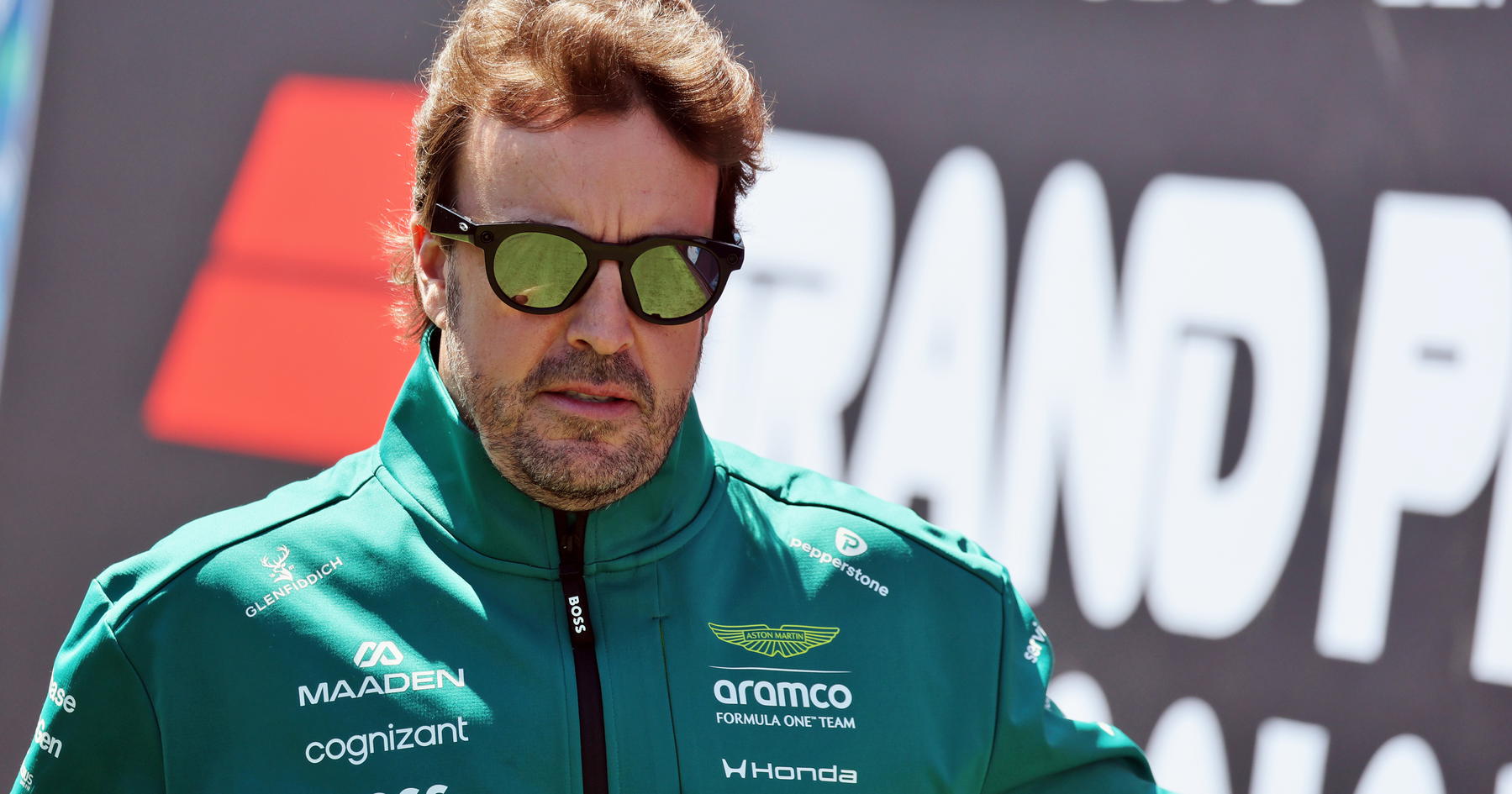
Aston Martin is investigating the AMR26’s seating layout after Fernando Alonso retired from the Canadian Grand Prix in Montreal, citing escalating back pain that the team believes the seat aggravated.
Chief trackside officer Mike Krack says a pressure point in Alonso’s seat caused persistent discomfort, prompting retirement once the rain threat faded and points prospects vanished.

The team suspects Alonso’s driving position sat too low. Modern F1 encourages increasingly reclined seating for aerodynamic efficiency and balance, and the AMR26 leaves drivers close to flat.
Seat pressure point worsened Alonso’s back pain, triggering his Montreal retirement.
Alonso has managed back issues previously, but Montreal’s bumps and the posture combined to exacerbate symptoms. Krack describes discomfort that intensified lap-by-lap rather than stabilising.
Aston Martin is evaluating seat angle, padding, and insert geometry within homologated safety constraints. Any update must respect survival cell and headrest rules, but quick turnaround is realistic between events.
The AMR26’s reclined layout chases aero gains but risks increased lumbar load over race distance.
The trade-off is clear. Lower hips trim frontal area and can aid weight distribution, yet excessive recline loads the lumbar spine, especially under heavy braking and with full tanks.
Protecting Alonso’s form is now central to Aston Martin’s season objectives, alongside addressing car pace. It directly affects his performance and health over long stints.
The review extends to both drivers’ fit, ensuring repeatable ergonomics across the garage. A broader look at cockpit design aims to minimise pressure points without undermining aerodynamic concepts.
Krack: “It’s like a pressure point where you feel it gets worse and worse.”
Recent form has exposed limitations for the British team, but this is a tangible area to fix. The Aston Martin project must balance comfort gains against any shift in balance.
Practical next steps include a factory seat-fit, fresh 3D scans, and revised foam inserts. Pedal height and steering column rake may change to relieve load without noticeable performance cost.
A comfortable driver reduces fatigue risk and sharpens execution in demanding stints. That could help avoid late-race errors and maximise opportunities when strategy or weather turns unpredictable.
Visual Summary
THE BACKBREAKING BALANCE
Retired for Pain
Alonso pulls out of Canadian GP after back agony from seat pressure.
Seat Too Low?
New AMR26 cockpit aims for speed but pushes ergonomics to the limit.
New Solution Needed
Aston Martin must lift comfort—or risk more DNFs.
?️
Comfort
Performance
Performance
For Alonso and Aston Martin, small adjustments could make all the difference between pain & podium.
Montreal proved: comfort isn’t a luxury—it’s a race requirement.

Daniel Miller reports on Formula 1 Grand Prix weekends with race-day analysis, team-radio highlights, and point-standings updates. He explains power-unit upgrades, aerodynamic developments, and driver rivalries in straightforward, SEO-friendly language for a global F1 audience.