https://shop.fervogear.com/cart

Mark Hughes Reveals Hamilton’s Major Ferrari F1 Breakthrough

Highlights
- Leclerc calls Canadian GP possibly his worst career weekend.
- Hamilton describes Montreal race as happiest Ferrari day so far.
- SF26 suits Hamilton’s driving style with improved mid-corner adjustability.
- Leclerc struggles with front tire temperature on cool, slow circuits.
- Hamilton skipped simulators before Shanghai and Montreal, performed strongly.
- Leclerc leads overall, but Hamilton’s form signals serious competition.
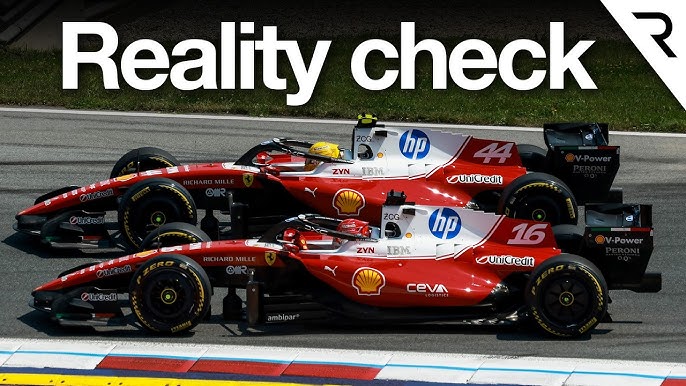
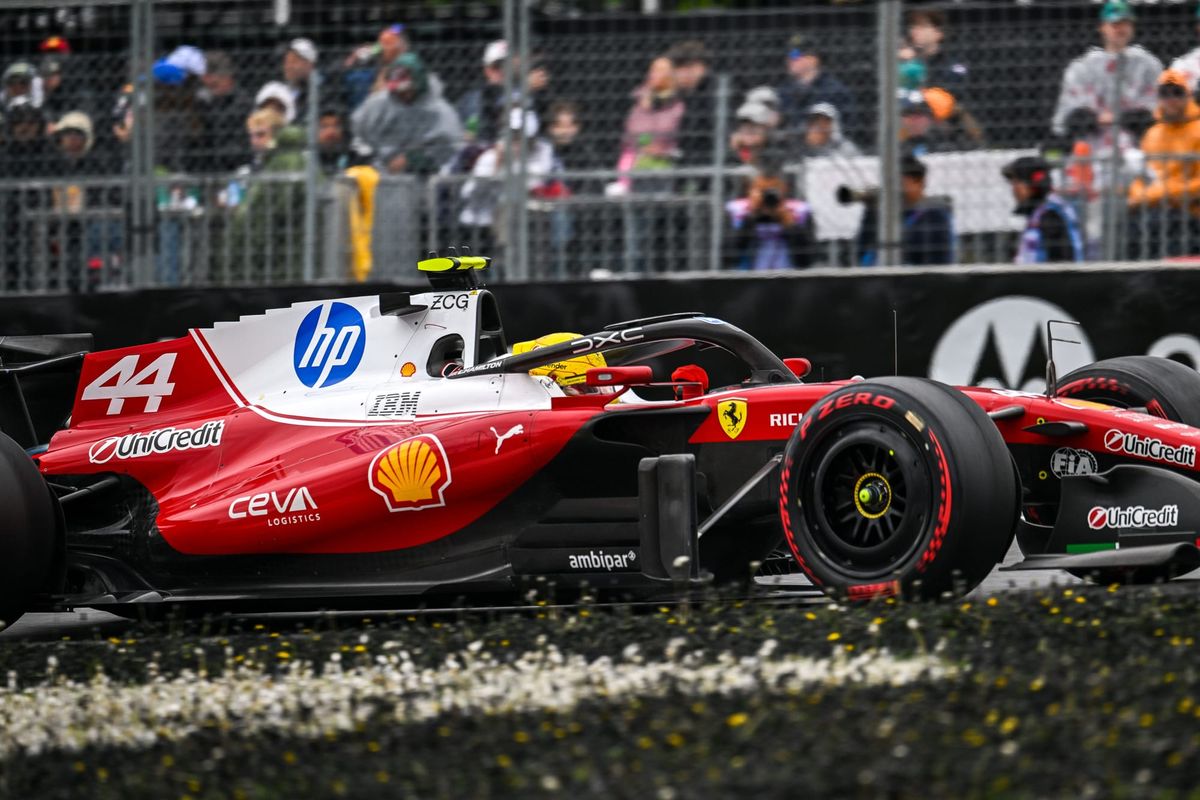
Lewis Hamilton calls Montreal his happiest Ferrari day, while Charles Leclerc labels the Canadian Grand Prix possibly his worst weekend, exposing contrasting adaptation to Ferrari’s SF26 under 2026’s technical landscape.
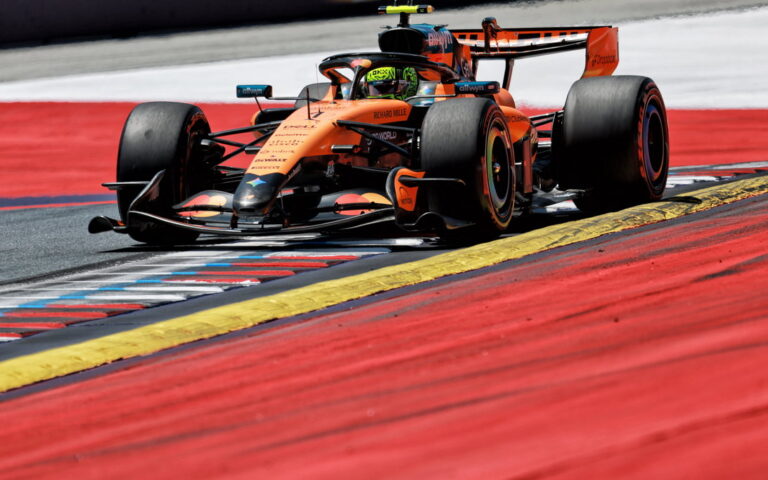
Hamilton credits a settled engineering group and a car he understands. He feels headroom remains, yet the SF26’s mid-corner adjustability lets him carry speed and correct small slides confidently.

Hamilton called Montreal his happiest day at Ferrari; Leclerc said it was possibly his worst weekend.
Leclerc accepts he must study data to match Hamilton. He struggles to fire front tyres on cool, venues like Montreal, making rotation-led entries harder and degrading confidence through long corners.
On track, Hamilton drives with late braking and smooth throttle application. The car’s stability through the aero-to-mechanical transition helps him attack kerbs and release the car without oscillation.
SF26’s mid-corner adjustability aligns with Hamilton’s late-braking, smooth-exit style.
That suits Hamilton better than recent ground-effect generations. Previous cars shifted aero balance under braking, compromising repeatability. The SF26’s higher ride window and more progressive suspension restore his muscle memory.
Communication gains with his engineers also matter. Set-up choices now match his preferred rotation and traction trade-offs, narrowing compromise across qualifying preparation and race-degradation targets.
Hamilton skipped Ferrari’s simulator before Shanghai and Montreal, and those races were his strongest this year.
Importantly, Montreal is one of Hamilton’s banker venues alongside Shanghai and Singapore. His recent returns there outstrip Leclerc, who struggles to generate front-axle temperature on low-energy, cool circuits.
Ferrari’s simulator correlation divides the pair. Hamilton questions its accuracy for new-surface nuances and skipped it before Shanghai and Montreal, yielding strong weekends that warrant further controlled comparison.
His form in Canada resembles an inflection point, underlined by an F1 breakthrough narrative and an approach he frames as an old-school decision on preparation and on-track risk.
Leclerc’s baseline remains strong across broader circuits. Melbourne, Suzuka, and Miami have favored him, suggesting Hamilton must translate Montreal strengths to faster, higher-energy layouts to close the intra-team gap.
Leclerc still leads Ferrari’s season picture, but Hamilton’s Montreal surge tightens the competitive dynamic.
Power-unit and energy-management characteristics for 2026 also influence drivability. Throttle maps and battery deployment shifts may affect Leclerc’s rotation-first style more, especially off slow-corner apexes.
Monaco now offers Leclerc a platform. The Ferrari’s traction, turbo response, and slow-corner performance could give him control, leaving Hamilton to demonstrate adaptability on Leclerc’s strongest terrain.
Strategically, Ferrari benefits from two drivers excelling on different track types. The team must refine correlation tools and tyre preparation windows to capture a wider setup envelope without sacrificing reliability.
Hamilton’s adaptation also validates the timing of his move, following a bold move to Ferrari and a Ferrari contract. Sustained competitiveness now hinges on replicating Montreal’s traits elsewhere.
For now, Leclerc leads Ferrari’s season picture. Hamilton’s upswing shrinks the margin, and the next run of races will confirm whether Montreal marks a durable reset or a track-specific spike.
Visual Summary
?
Leclerc
Worst Weekend
Leclerc
Worst Weekend
?
Hamilton
Happiest Day
Hamilton
Happiest Day
Leclerc:
“Worst weekend of my career. Time to study and come back.”
“Worst weekend of my career. Time to study and come back.”
Hamilton:
“Happiest day with Ferrari. This car finally feels like home.”
“Happiest day with Ferrari. This car finally feels like home.”
Leclerc: season edge
Hamilton: momentum here
Hamilton: momentum here
Monaco Awaits: Can Leclerc strike back at home?
Dual lead, diverging confidence. Montreal made Hamilton beam—but revenge could be Leclerc’s in Monaco’s twisty streets.

Daniel Miller reports on Formula 1 Grand Prix weekends with race-day analysis, team-radio highlights, and point-standings updates. He explains power-unit upgrades, aerodynamic developments, and driver rivalries in straightforward, SEO-friendly language for a global F1 audience.