https://shop.fervogear.com/cart

FIA Pressured to Avoid Forcing F1 Teams Into Tough Decisions

Highlights
- FIA negotiates engine power split changes for 2027 season
- Proposal shifts power split to 60:40 favoring combustion engines
- Audi and Ferrari oppose change; Honda, Mercedes, Red Bull support
- Approval needs supermajority on Power Unit Advisory Committee
- Carlos Sainz urges FIA to enforce new power unit rules
The FIA is negotiating 2027 Formula 1 power unit rules, targeting a revised combustion‑hybrid power split that would reshape development priorities and competitive balance.
The current allocation is 50:50. The proposal moves to 60:40 in favor of the internal combustion engine, trimming electrical deployment and shifting emphasis toward traditional power.
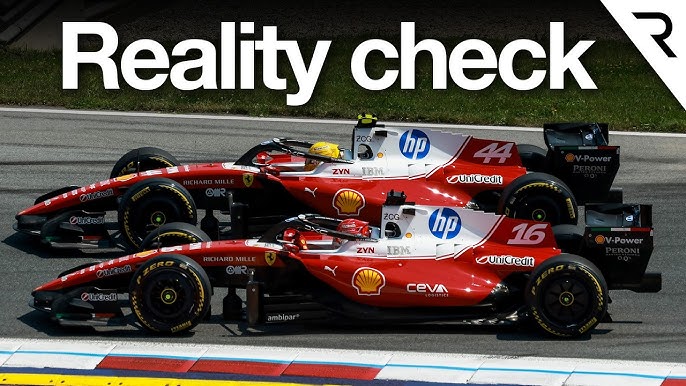
Positions are split. Audi and Ferrari object, while Honda, Mercedes High Performance Powertrains, and Red Bull Powertrains back the change after internal evaluations.
Approval requires a supermajority on the Power Unit Advisory Committee: four of five manufacturers, plus the FIA and Formula 1 Management. That arithmetic complicates passage.
Williams driver Carlos Sainz urges the FIA to enforce the shift, saying teams should be left with no choice to accept the ratio.
“Leave teams with no choice” — Carlos Sainz on enforcing a 60:40 split.
Sainz argues the new balance would improve competition and race quality. He expects opponents to adapt quickly if rules are set early and unequivocally.
He concedes current engines expose limitations and will not change mid‑season. His focus shifts to 2027, when development convergence should deliver stronger driveability and consistency.
Proposed power split: 60% combustion, 40% electrical deployment for 2027.
The proposed 60:40 would cut peak electrical influence on straights and simplify energy management. It could also reduce defensive deployment tricks that distort wheel‑to‑wheel battles.
There are trade‑offs. Manufacturers investing heavily in electrical performance risk losing relative gains, while combustion‑led concepts may gain scope to exploit fuel efficiency and thermal management.
Audi and Ferrari oppose; Honda, Mercedes HPP, and Red Bull Powertrains support the change.
For Audi, a rules pivot now could disrupt a still‑maturing programme. Ferrari’s resistance suggests architecture concerns and the risk of undermining committed hybrid investments.
Governance remains the crux. If the supermajority stalls, pressure grows on the FIA to assert leadership without destabilising relations or development timelines, as seen in recent clashes involving Racing Bulls.
Approval needs four of five manufacturers, plus the FIA and Formula 1 Management.
The debate lands amid broader rule planning for 2026 and beyond, including a broader contingency plan for 2026 addressing performance spread and operability.
On‑track narratives shape perceptions. Max Verstappen’s form contrasts with scrutiny on George Russell, including a lively debate around Russell and recent FIA decisions involving Russell.
How the FIA balances innovation with technical fairness will shape competitiveness for years. A timely decision on the 2027 split is essential for programmes and fans alike.
Talks continue within the committee. Clarity in the coming months would protect design freezes and avoid costly rework for every manufacturer.
Visual Summary
?
?
60:40
?
?
Combustion
Battery
Support
?
Honda
Mercedes
Red Bull
Powertrains
Mercedes
Red Bull
Powertrains
Oppose
?
Audi
Ferrari
Ferrari
?
“FIA should leave teams with no choice — push it through!”
— Carlos Sainz, Williams
What’s at stake?
The engine split will shape F1’s power, spectacle—and who dominates for years.

James William covers the IMSA WeatherTech SportsCar Championship, from the Rolex 24 at Daytona to sprint-race formats. His reports include prototype performance reviews, GT class battles, and pit-stop strategy insights for endurance-racing fans.