https://shop.fervogear.com/cart

Ferrari Faces Reality: Why You Can’t Have It All on Key Weakness

Highlights
- Ferrari prioritizes chassis over engine power this F1 season
- Car excels in cornering but lacks straight-line speed
- Lewis Hamilton finished second at Canadian Grand Prix for Ferrari
- ADUO upgrades expected to improve Ferrari engine performance
- Ferrari uses smaller turbo to enhance corner exit handling
- Engine vs. chassis balance remains key for 2026 Formula 1
Jamie Chadwick has framed Ferrari’s 2026 campaign as a calculated trade-off, arguing the team “can’t have everything” while it chases lap time through chassis performance over outright power.
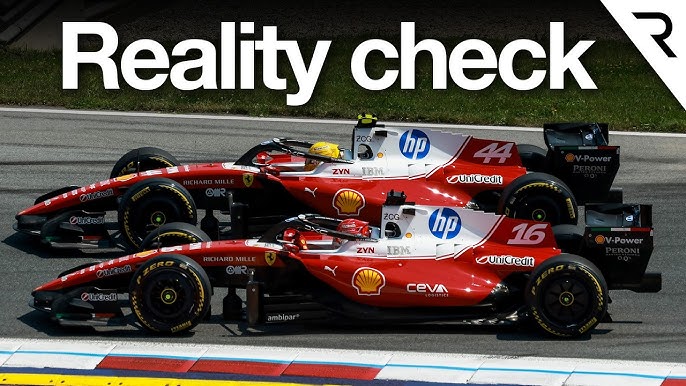
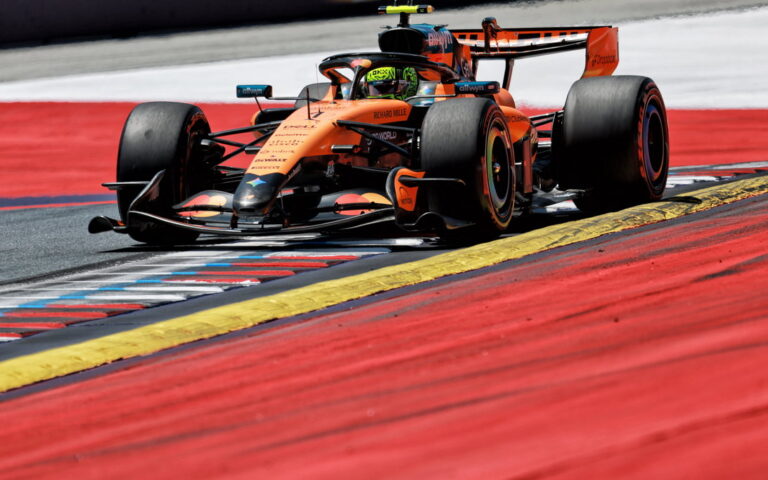
Ferrari’s SF-26 is consistently strong in cornering, offsetting a straight-line deficit to Red Bull and Mercedes. The car’s platform control supports what many view as the best chassis on the grid, but top speed remains the weakness.

Ferrari’s strategy prioritises cornering gains over peak straight-line speed — a conscious, season-defining trade.
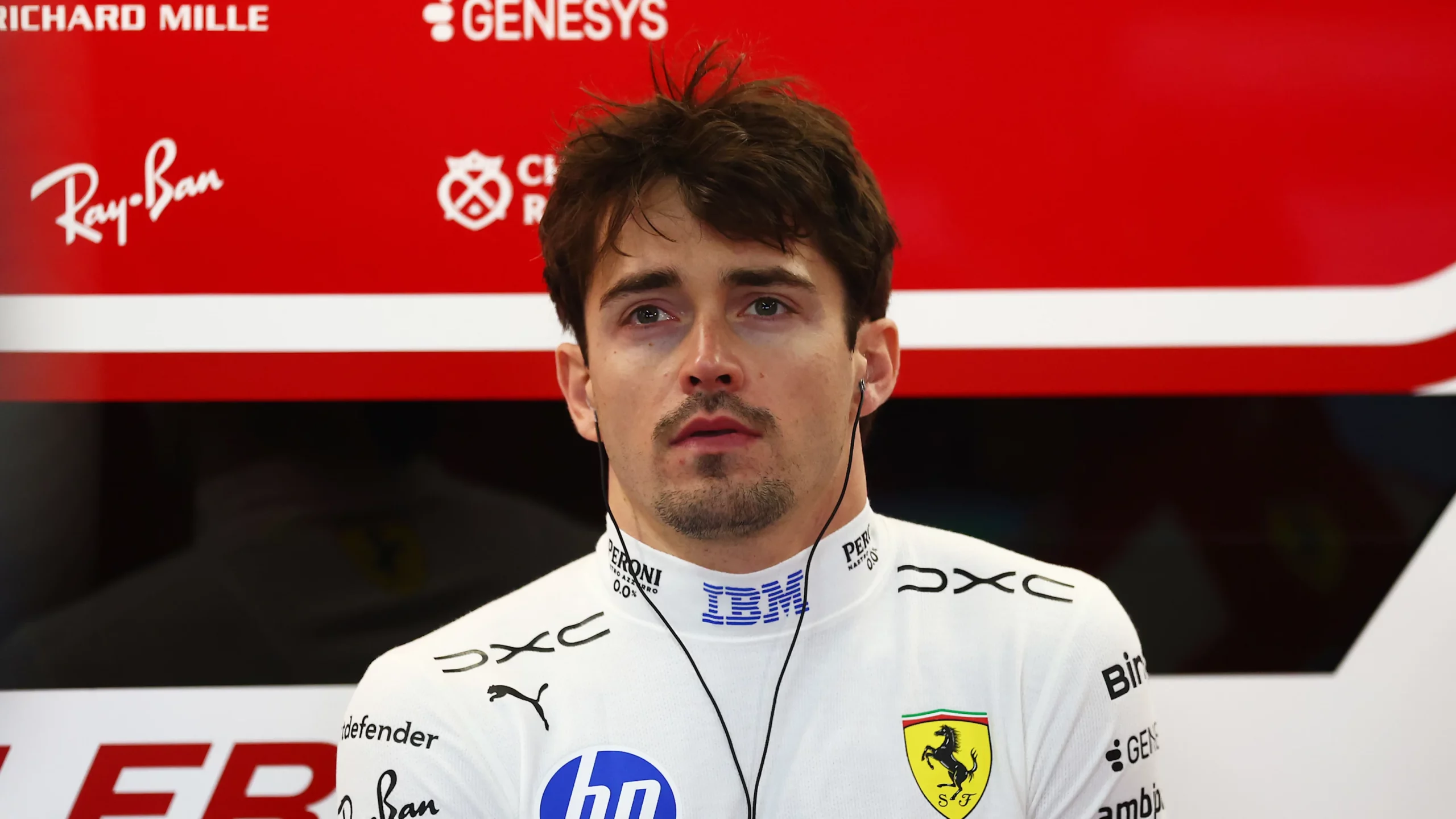
That dynamic underpinned Lewis Hamilton’s second place in Montreal, where he maximised the SF-26’s strengths. Both he and Charles Leclerc have stressed the need for more power in the engine to convert pace into sustained race-winning threat.

Ferrari’s smaller turbo aids traction and drivability on corner exit, particularly in sequences that reward response and stability. The cost is headline speed, especially on long straights.
“You can’t have everything… they’ve gone down that route for a reason,” Jamie Chadwick told Sky F1, highlighting Ferrari’s fast starts and early-lap strength.
The team expects the first ADUO window to offer scope for targeted engine-side efficiency and deployment gains. Such steps are vital to complement a well-sorted chassis without unbalancing tyre management.
Any shift must also anticipate evolving FIA guidance. Potential regulation updates around combustion parameters could influence turbo sizing, compression strategies, and energy recovery trade-offs.

The competitive picture will swing with circuit profile. High-power venues will expose Ferrari’s Vmax shortfall, while traction-limited layouts should reward its platform, as street tracks already hint after strong weekends like Monaco.
Hamilton’s Montreal P2 underlines the SF-26’s cornering-led competitiveness against faster cars in a straight line.
Driver feedback is aligned with factory priorities. The imperative is to add straight-line performance without compromising the car’s benign balance, which underpins tyre life and stint consistency.
ADUO upgrades are Ferrari’s next lever to narrow the power gap while preserving chassis strengths.
Execute that balance, and Ferrari can convert peaks into sustained contention. Miss, and the car risks sitting between concepts, quick in places but exposed against Red Bull and Mercedes on power tracks.
For now, the philosophy is clear: bank reliable cornering lap time, then phase in power gains as opportunities arise. The next races will show whether that sequence can deliver wins consistently.
Visual Summary
Chassis
Power
Ferrari’s 2026 Dilemma:
Balance or Blazing Speed?
Balance or Blazing Speed?
?
Best-in-class Chassis
Fast in corners
Quick off the line
Bests rivals on technical tracks
Quick off the line
Bests rivals on technical tracks
?
Engine Horsepower
Top speed on straights
Vital for long circuits
Red Bull/Mercedes edge
Vital for long circuits
Red Bull/Mercedes edge
“You can’t have everything.
They’ve gone down that route for a reason, and we’ve seen the benefits through fast starts and strong early laps.”
They’ve gone down that route for a reason, and we’ve seen the benefits through fast starts and strong early laps.”
– Jamie Chadwick on Ferrari’s trade-off
Gap to Red Bull/Mercedes Top Speed:

Daniel Miller reports on Formula 1 Grand Prix weekends with race-day analysis, team-radio highlights, and point-standings updates. He explains power-unit upgrades, aerodynamic developments, and driver rivalries in straightforward, SEO-friendly language for a global F1 audience.