https://shop.fervogear.com/cart

Audi Calls for F1 Regulation Stability After Max Verstappen Setback

Highlights
- Audi opposes changing Formula 1 power unit split to 60/40 in 2026
- Ferrari and Cadillac also share reservations about increasing combustion ratio
- At least four manufacturers must agree for 2026 engine rule change
- Max Verstappen demands 60/40 split to continue racing in Formula 1
- Audi CEO emphasizes regulatory stability and cost control under cost cap
- Negotiations continue, aiming for effective power unit framework by 2027
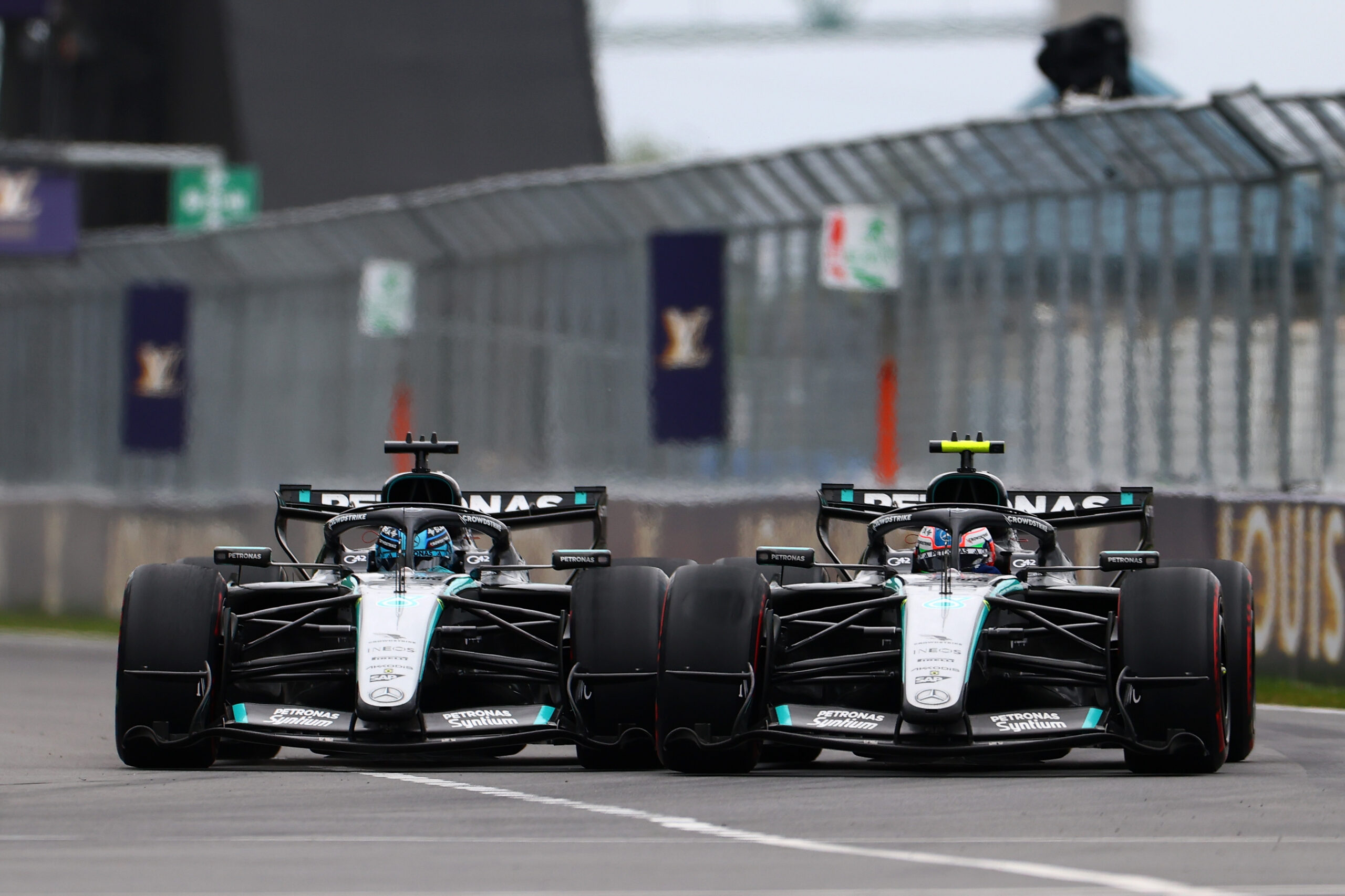
Audi calls for regulatory stability and opposes shifting Formula 1’s 2026 power unit split to 60/40, complicating Max Verstappen’s condition for continuing in the series.
The current plan targets near parity between electric and combustion output. Moving to a 60/40 split would increase the internal combustion share and force significant development rebalancing.

Any revision needs support from at least four of the five manufacturers. With Ferrari and Cadillac expressing reservations, consensus for a 2026 change looks uncertain.
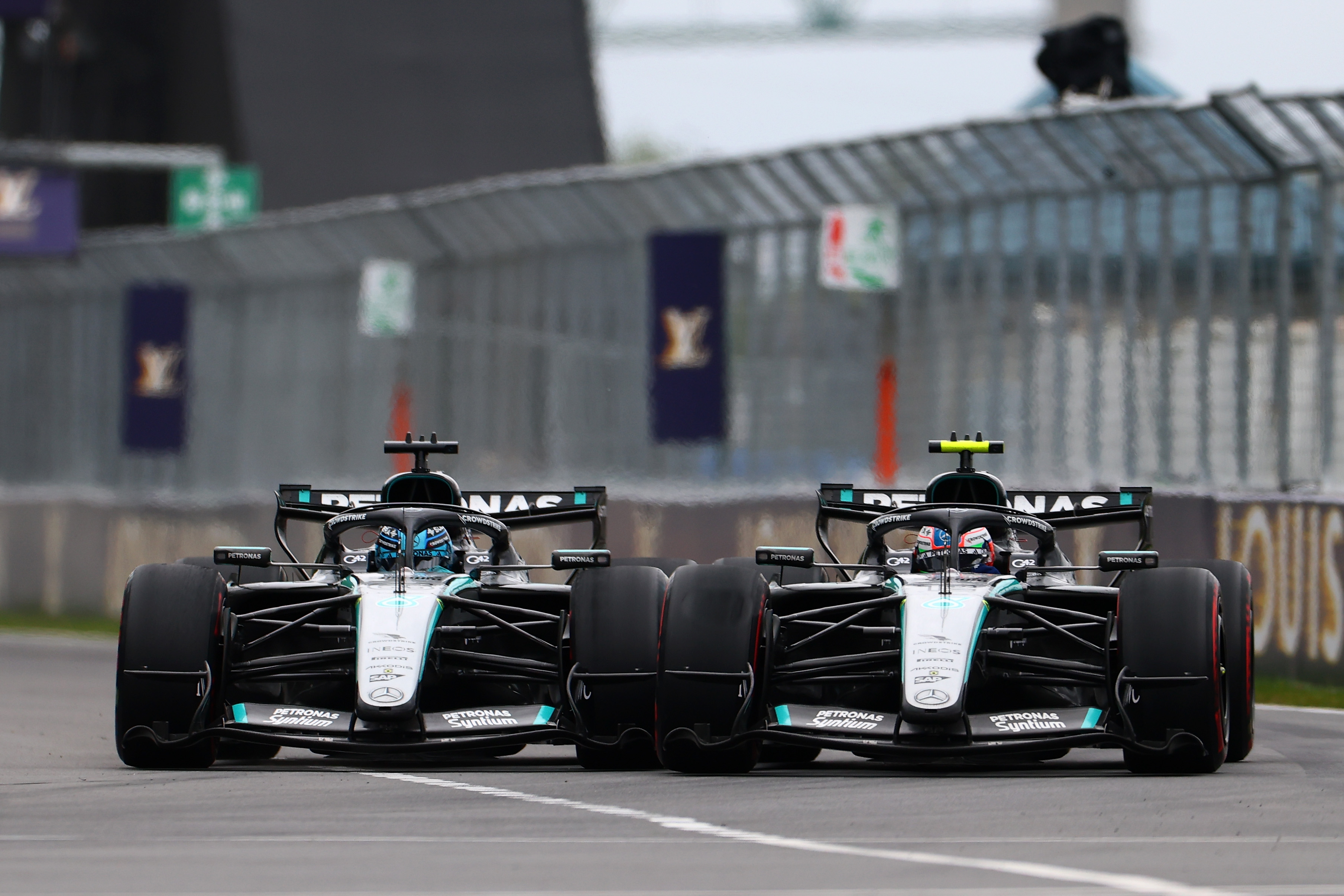
Audi CEO Gernot Döllner stresses stability and strict cost control under the cost cap, preferring incremental adjustments over late rewrites that could disrupt new programmes.
At least four of five engine manufacturers must back any 2026 power unit change.
That position reflects Audi’s desire to build performance and reliability methodically, avoiding expensive pivots that risk undermining early development gains.
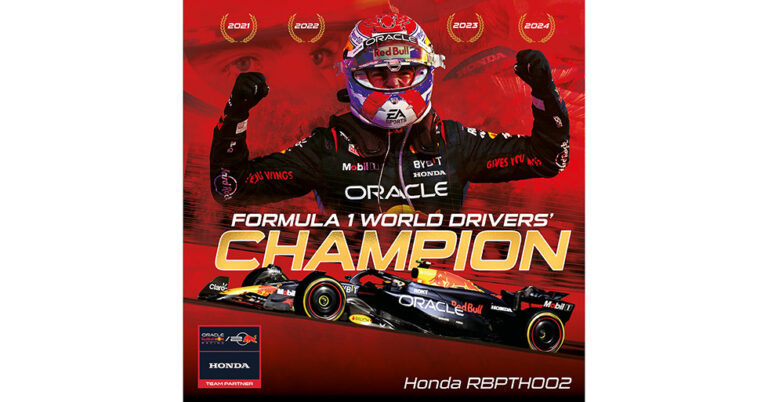
Max Verstappen has pushed for moving the power unit split to 60/40, describing it as the minimum step for him to remain in Formula 1.
Verstappen frames a 60/40 split as his minimum condition to stay in Formula 1.
Audi’s resistance strengthens the argument for a measured rollout, deferring major shifts while the wider 2026 regulations bed in.
Döllner is confident negotiations with rival manufacturers are progressing and that a workable solution will emerge without jeopardising cost discipline.
Audi emphasises regulatory stability and strict cost control under the cost cap.
Paddock expectations point to an effective framework by 2027, giving teams clearer planning horizons before committing to hardware and software directions.
Audi’s messaging on predictability mirrors its broader positioning this year, visible alongside its recent Monaco GP livery push and ongoing integration efforts.
As 2026 nears, the final balance between electrical deployment and combustion will shape drivability, strategy, and investment priorities across the grid.
Until agreement is reached, teams manage uncertainty, while Audi argues that regulatory stability best protects competitiveness and the spectacle in F1’s next era.
Visual Summary
Verstappen
60/40 ⚡

60/40 ⚡
Audi
Stability ?
Ferrari/Cadillac
Stability ?
Ferrari/Cadillac
Audi halts the 60/40 engine rule push — Verstappen may rethink his future
Regulation Tug-of-War for 2026
Change
Stability
Stability
2026 Balance of Power: Change 46% | Stability 54%
⏸️
Audi & Ferrari
block change
Audi & Ferrari
block change
⚡
Verstappen needs 60/40 to stay
Verstappen needs 60/40 to stay
?
Decision delayed
to at least 2027
Decision delayed
to at least 2027

Daniel Miller reports on Formula 1 Grand Prix weekends with race-day analysis, team-radio highlights, and point-standings updates. He explains power-unit upgrades, aerodynamic developments, and driver rivalries in straightforward, SEO-friendly language for a global F1 audience.
Related FervoGear guide: custom race suits built for driver protection, custom fit, and sponsor-ready design.