https://shop.fervogear.com/cart

Breaking News: FIA Confirms Major F1 Power Unit Regulation Changes

Highlights
- FIA announces major F1 power unit changes for 2027 season.
- Internal combustion engine power raised to 420kW in 2027.
- Electrical motor power reduces to 300kW from 2027 onward.
- Fuel flow increases 5% in 2027 and 13% in 2028.
- ICE power share rises to 58% in 2027, 60% in 2028.
- Drivers like Hamilton and Russell voiced concerns on current setup.
The FIA confirms a recalibration of Formula 1’s hybrid power units from 2027, shifting emphasis back toward the internal combustion engine after driver concerns raised through early 2026.
The 2027 specification increases ICE output to 420kW and lifts fuel flow by 5%. The MGUK’s peak power drops to 300kW, while maximum energy harvesting rises to 350kW to improve energy management.

A further step follows in 2028. ICE power increases again to 450kW, with fuel flow up 13%, while MGUK output remains 300kW and harvesting climbs to 400kW. That lifts the ICE share to 58% in 2027 and 60% in 2028.
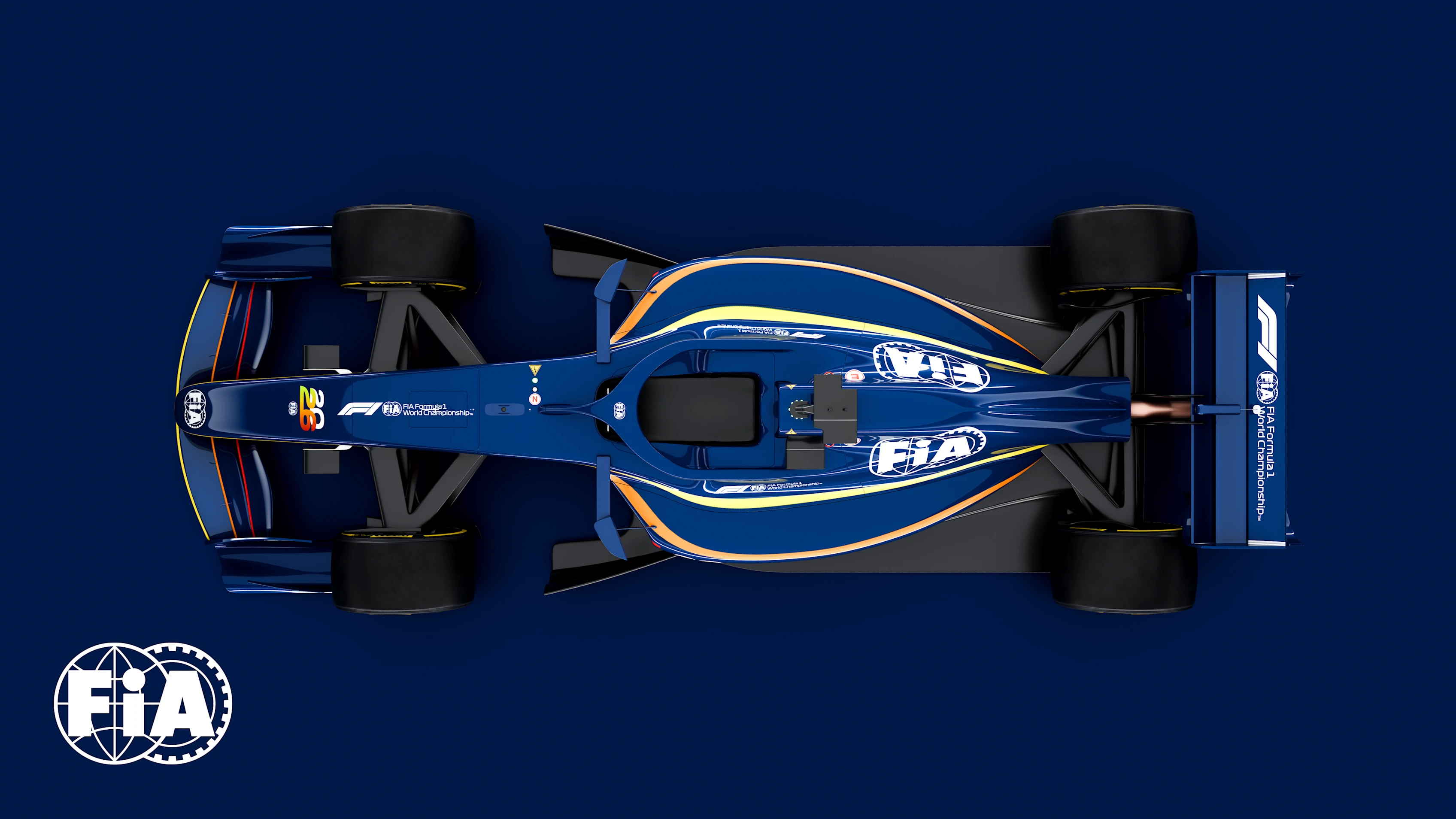
The aim is to address the overtaking “yo-yo” created by aggressive electrical deployment and subsequent depletion. Drivers, including Lewis Hamilton and George Russell, argued the current balance masked skill expression and racecraft.
The revised split should change torque delivery profiles and reduce pass-back sequences on straights. It also targets clearer defensive and offensive phases, with less dependence on short bursts of electrical power.
2027: ICE 420kW with +5% fuel flow; MGUK 300kW; harvesting up to 350kW.
Manufacturers face extensive calibration work. With more ICE contribution, combustion efficiency, turbo matching, and drivetrain durability take greater priority alongside ERS deployment mapping and rear-axle energy recovery integration.
Teams will revisit cooling, packaging, and brake-by-wire tuning to accommodate higher harvesting limits. The braking phase becomes more influential, shaping battery state and straightline performance over a stint.
Strategically, the changes should widen options in qualifying and race trim. The increased ICE share may reduce energy peaking effects and create more consistent lap-time profiles across longer runs.
The regulatory timeline follows months of internal discussion and feedback. The schedule aligns with the FIA engine overhaul deadline, ensuring suppliers can validate designs and correlation before 2027 homologations.
Political debate has been intense. The paddock has already weighed competitive impacts, as reflected in the broader FIA and F1 teams debate about race dynamics, overtaking quality, and sustainability objectives.
2028: ICE 450kW with +13% fuel flow; MGUK remains 300kW; harvesting up to 400kW.
The FIA frames the shift as balancing sporting spectacle with hybrid relevance. Some see the move as consistent with a unique FIA rule approach that prioritizes driveability and clear competitive differentiation between powertrains.
On track, expect less binary deployment behavior and more variation in corner exit and mid-straight performance. That should reward drivers who manage lift-and-coast, regen targets, and tire slip with greater precision.
Projected power split: 58% ICE in 2027 and 60% in 2028, reducing pass-back overtakes.
As 2027 approaches, teams will chase robust baselines and reliability margins. The quickest outfits will integrate combustion gains and ERS strategy seamlessly, turning the rule shift into a sustained race-day advantage.
The adjustment marks a clear evolution rather than a reset. It keeps hybrid complexity, but re-centers the spectacle on consistent propulsion and driver-led execution across stints and traffic scenarios.
Visual Summary
ICE
(Combustion)
(Combustion)
MGUK
(Electric)
(Electric)
2026
2027
2028
FIA’s 2027 F1 Power Shift:
Combustion Roars Back ??
Combustion Roars Back ??
ICE share
53% 2026
↓
ICE share
58%2027
↑
ICE share
60%2028
↑
Drivers and fans win as F1 tips the balance back to engine power—expect less “yo-yo” overtaking, fiercer battles, bolder racing.
420kW
ICE Output
(+7% vs. 2026)
ICE Output
(+7% vs. 2026)
300kW
Electric Output
(-12% vs. 2026)
Electric Output
(-12% vs. 2026)
+13%
Fuel Flow (2028)
Fuel Flow (2028)
Hamilton: “The current setup limits us.”
Russell: “It’s been soul-searching. These changes bring racing back to drivers.”
Russell: “It’s been soul-searching. These changes bring racing back to drivers.”

Daniel Miller reports on Formula 1 Grand Prix weekends with race-day analysis, team-radio highlights, and point-standings updates. He explains power-unit upgrades, aerodynamic developments, and driver rivalries in straightforward, SEO-friendly language for a global F1 audience.
Related FervoGear guide: custom race suits built for driver protection, custom fit, and sponsor-ready design.