https://shop.fervogear.com/cart

F1 Slashes Carbon Footprint by Cutting 100,000 Transatlantic Flights


Highlights
- F1 reduced carbon footprint by 35% since 2018.
- Emissions fell from 228,793 to 148,805 tonnes in 2025.
- Teams cut facility emissions 64% via renewable energy.
- European races use low-carbon energy, cutting paddock emissions 90%.
- Business travel remains 39% of 2025 total emissions footprint.
- F1 plans to shift 50% broadcast freight from air to sea.
Formula 1 says it has cut its carbon footprint by 35% versus 2018, equivalent to eliminating 100,000 London–New York passenger flights, advancing its 2030 net‑zero commitment.
Latest reporting shows a 12% year‑on‑year fall in 2025 across freight, logistics, broadcast and race operations, with emissions down from 228,793 to 148,805 tonnes of CO2e since 2018.

Totals include SAFc, certificates linked to sustainable aviation fuel used within F1’s supply chain. These credits lower reported emissions and support demand for cleaner fuels.
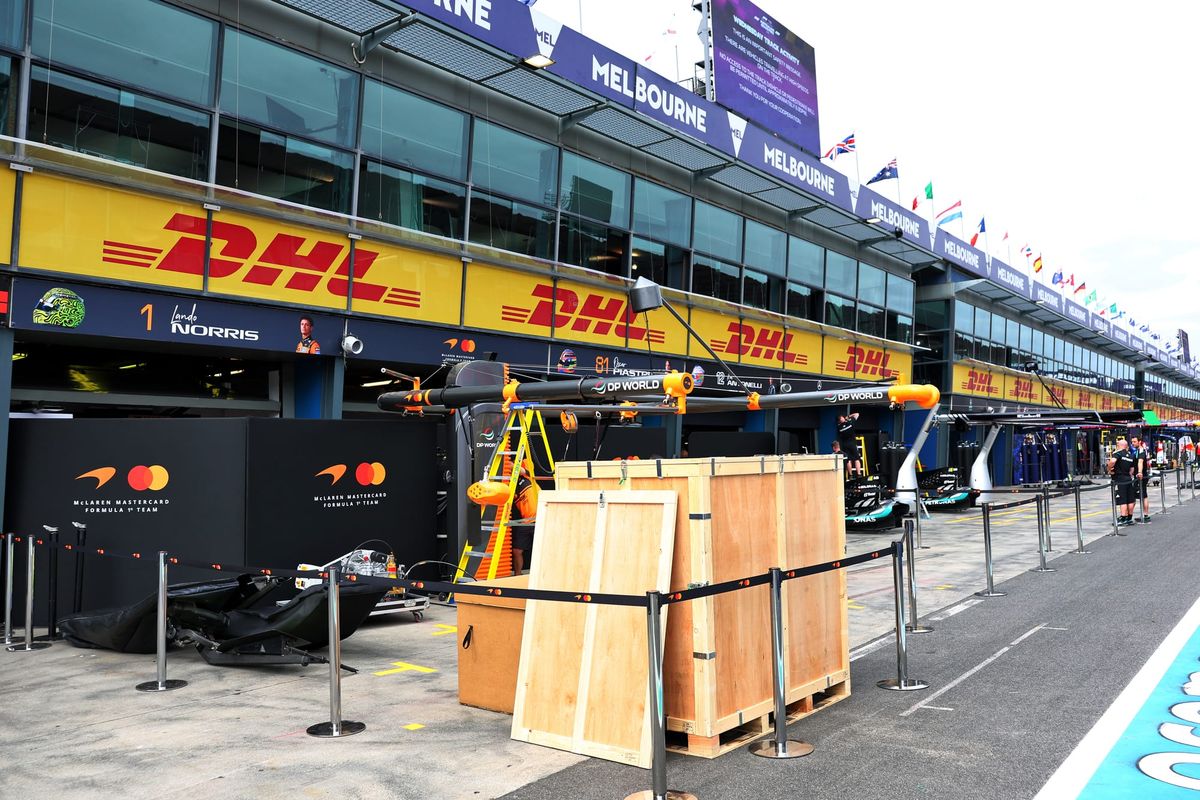
Excluding SAFc, F1 still records a 21% direct‑emissions cut, saving more than 47,000 tonnes. Team facilities drive this, delivering a 64% drop through renewable power contracts.
European events now run low‑carbon paddocks using solar, batteries and hydrotreated vegetable oil, reducing those emissions by about 90%. A biofuel truck programme trims land‑freight emissions by roughly 83%.
Teams and facilities have cut emissions 64% since 2018 through renewable energy.
In 2025 F1 also backed sustainable maritime fuel, targeting lower shipping impacts. Despite expansion from 21 to 24 races, event‑operations emissions are down 6% overall and 17% per race.
Business travel remains the single largest source at 39% of the 2025 footprint. Travel emissions have fallen 27%, but a global championship still depends on extensive long‑haul flying.
Calendar optimisation will help from 2026, with regional grouping to reduce back‑and‑forth travel, as reflected in the evolving race calendar.
Operationally, F1’s Future Race Operations Programme expands remote workflows. The target is to shift over half of broadcast freight from air to sea or regional hubs by 2030.
Over 50% of broadcast freight is planned to move from air to sea or regional hubs by 2030.
That shift would deliver tangible reductions, not only certificate‑based gains, and underpin F1’s path to a 50% cut from 2018 by the net‑zero date. Reliance on certificates should then diminish.
The strategy must coexist with F1’s commercial pull. High‑profile narratives, such as Hamilton’s Ferrari win in Barcelona, demand global reach, alongside developments like a champion’s Ferrari move among this season’s headlines.
Progress is measurable but incomplete. The headline decline is significant, yet business travel and intercontinental freight remain the hard yards that will test F1’s execution through 2030.
Business travel accounts for 39% of F1’s 2025 emissions footprint.
If milestones hold, F1 strengthens its claim as a sustainability leader among global series. Missed targets would intensify scrutiny over SAFc use and calendar design.
Visual Summary
CO₂
228,793 t (2018)
↓ 35%
148,805 t
F1’s Carbon Footprint Down 35% Since 2018
Cutting the CO₂ equivalent of 100,000 London–NYC flights — on pace for Net Zero by 2030
?
83%
less truck emissions
83%
less truck emissions
?
90%
cleaner paddock
90%
cleaner paddock
?
-17%
per-race emissions
-17%
per-race emissions
?
-64%
team emissions
-64%
team emissions
?
Offset by
SAFc Credits
Offset by
SAFc Credits
Emissions since 2018
Net Zero Target ➔ 2030
Net Zero Target ➔ 2030
? 39% of F1’s footprint = Global travel
27% drop but air miles still dominate
F1’s Roadmap to Cutting Emissions by 50%
Calendar changes, remote ops, marine fuel, cleaner paddocks
Calendar changes, remote ops, marine fuel, cleaner paddocks
Emissions dropping fast—Formula 1 is driving the future of sustainable, global motorsport.

Daniel Miller reports on Formula 1 Grand Prix weekends with race-day analysis, team-radio highlights, and point-standings updates. He explains power-unit upgrades, aerodynamic developments, and driver rivalries in straightforward, SEO-friendly language for a global F1 audience.
Related FervoGear guide: custom race suits built for driver protection, custom fit, and sponsor-ready design.