https://shop.fervogear.com/cart

F1 Takes Powerful Leap Toward Vital Championship Goal

Highlights
- F1 cut carbon footprint by 35% since 2018, saving 80,000 tonnes CO2
- Emissions dropped 12% compared to 2024, showing steady yearly progress
- Factories and facilities reduced emissions by 64% through renewable energy
- Travel emissions fell 27%, aided by doubling Sustainable Aviation Fuel use
- Event operations cut emissions 17% per race despite calendar expansion
- F1 plans major air travel reductions in broadcast and freight by 2030
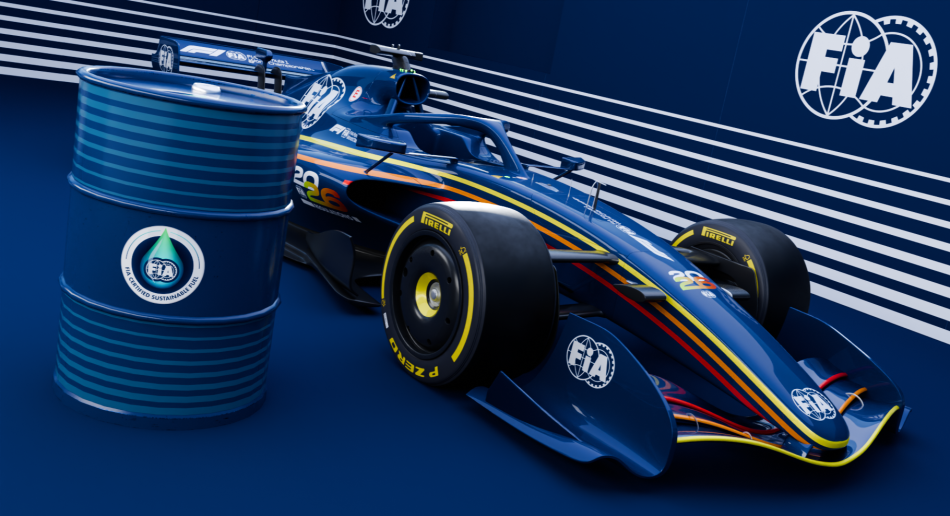
Formula 1 reports a 35% reduction in its carbon footprint versus 2018, equal to nearly 80,000 tonnes of CO2e, as the championship advances toward its 2030 net-zero target.
That saving mirrors emissions from over 100,000 one-way London–New York flights. Progress also continues year on year, with a 12% drop compared to 2024.

F1 has cut its carbon footprint by 35% since 2018, saving about 80,000 tonnes of CO2e.
President and CEO Stefano Domenicali credits coordinated delivery from teams, broadcasters, promoters, and partners for the sustained reductions without undermining the sport’s competitive intensity.
Key levers include smarter calendar optimization and wider deployment of sustainable fuels, enabling lower emissions while the championship grows commercially and geographically.

Factories and facilities lead the gains, posting a 64% reduction since 2018. The shift to renewable energy across team bases and offices underpins this step change.
Factories and facilities have cut emissions by 64% since 2018 through widespread renewable energy adoption.
Travel emissions are down 27%, supported by doubling investment in Sustainable Aviation Fuel. SAF alone saved over 20,000 tonnes of CO2e and cut air charter emissions by roughly 40%.
Logistics emissions have fallen 29% through lower-carbon freight options across road, air, and sea, reflecting tighter planning and improved mode selection.
Event operations record a 17% per-race reduction, despite an expanded calendar from 21 rounds in 2018 to 24 in 2025. European events adopted HVO, solar, and battery systems in 2025.
Event operations cut emissions 17% per race despite the calendar expanding to 24 rounds in 2025.
Looking ahead, F1 targets shifting over half of broadcast and freight movements away from air travel by 2030, backed by the Future Race Operations Programme and 2026 calendar rationalization.
[p]Ellen Jones, F1’s ESG lead, says sustainability now shapes decision-making across the sport. Increased investment in SAF and sustainable maritime fuels is accelerating reductions and encouraging new technology.[/p]
Crucially, the approach preserves competitive integrity. Freight scheduling, energy sourcing, and promoter partnerships are being reworked to cut emissions while maintaining operational resilience and show quality.
F1 plans to move more than half of broadcast and freight transport away from air travel by 2030.
The trajectory suggests the 2030 target is attainable with continued governance and coordination. Reforms are embedding long-term efficiency without compromising performance, underpinning F1’s broader net-zero roadmap.
Visual Summary
?
Net Zero 2030
Net Zero 2030
-35%
Emission cut
Emission cut
80,000t
CO₂ saved
CO₂ saved
100,000✈️
Flights’ worth
Flights’ worth
?
-64%
Factories
✈️
-27%
Travel
?
-29%
Logistics
?️
-17%
Event/Race
Formula 1 is RACING to Net Zero
Sustainability drives every lap—progress with no pit stops.

Daniel Miller reports on Formula 1 Grand Prix weekends with race-day analysis, team-radio highlights, and point-standings updates. He explains power-unit upgrades, aerodynamic developments, and driver rivalries in straightforward, SEO-friendly language for a global F1 audience.
Related FervoGear guide: custom race suits built for driver protection, custom fit, and sponsor-ready design.