https://shop.fervogear.com/cart

‘Kill switch’ agony hits again as Formula E team reveal Nico Hulkenberg’s shock pain

Highlights
- Nico Hülkenberg retired after gravel hit Audi kill switch.
- Edoardo Mortara’s Formula E car stopped due to debris-triggered kill switch.
- Mortara’s car extinguisher activated unexpectedly during Sanya E-Prix.
- Both incidents caused by debris striking emergency kill switch loops.
- Teams may review kill switch designs to prevent future stops.
Two separate debris strikes shut down race cars within six days, first sidelining Nico Hülkenberg in Barcelona, then stopping Edoardo Mortara late in the Sanya E‑Prix.
In both cases, debris contacted the FIA‑mandated external pull loop, which functions as a kill switch, cutting high‑voltage systems, radio, and propulsion instantly.
Hülkenberg’s Barcelona retirement followed gravel flicked up by Liam Lawson striking his Audi’s pull loop, disabling the car and forcing a powerless coast to the pits without radio.
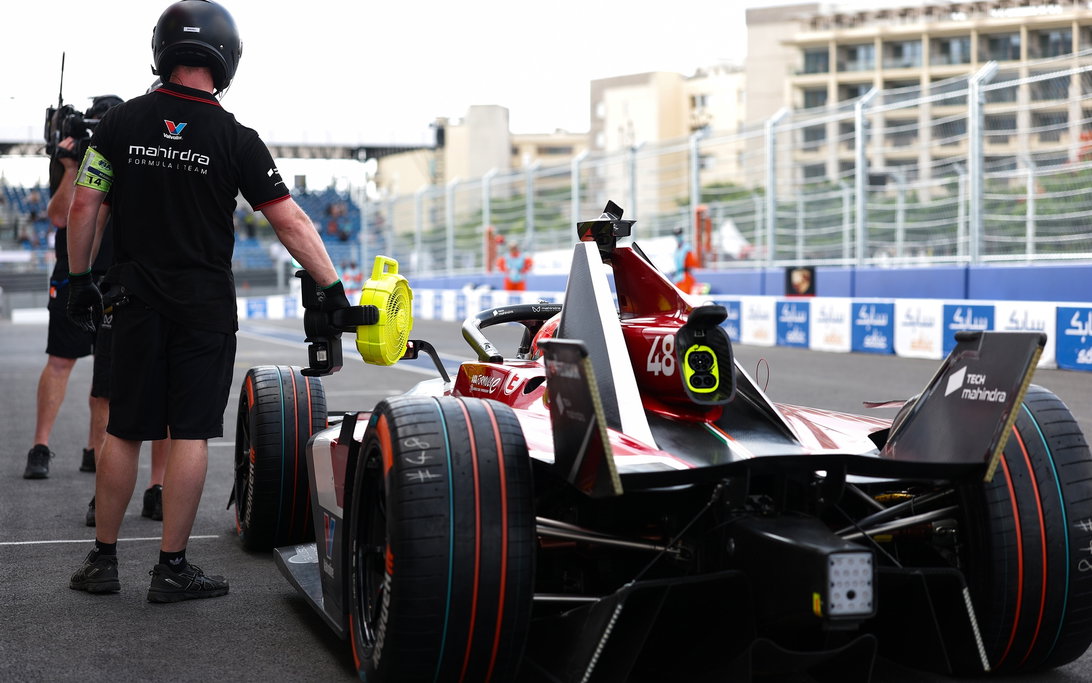
Six days later at the Sanya E‑Prix, Mahindra’s Edoardo Mortara suffered an unexplained stop that post‑race checks traced to debris hitting the same loop and triggering an onboard shutdown.
Both cars stopped after debris hit FIA‑mandated external kill‑switch loops.
Compounding the blow, Mortara’s fire extinguisher discharged, a secondary activation that ended any chance of recovery after earlier front‑wing damage from contact.
External pull loops exist for emergency crews to isolate cars rapidly. False activations are extremely rare, yet high‑energy debris can strike exposed hardware at unlucky angles.
Mortara’s onboard extinguisher fired after the shutdown, an unusual double hit.
Mahindra acknowledged the parallel with a wry post tagging Hülkenberg, framing Mortara’s stoppage as debris‑triggered bad luck rather than a driver or operations error.
Teams will now assess pull‑loop placement, shrouds, and tether routing to reduce stray‑impact risk while remaining compliant. Such marginal gains sit within evolving Formula E strategy as competition tightens.
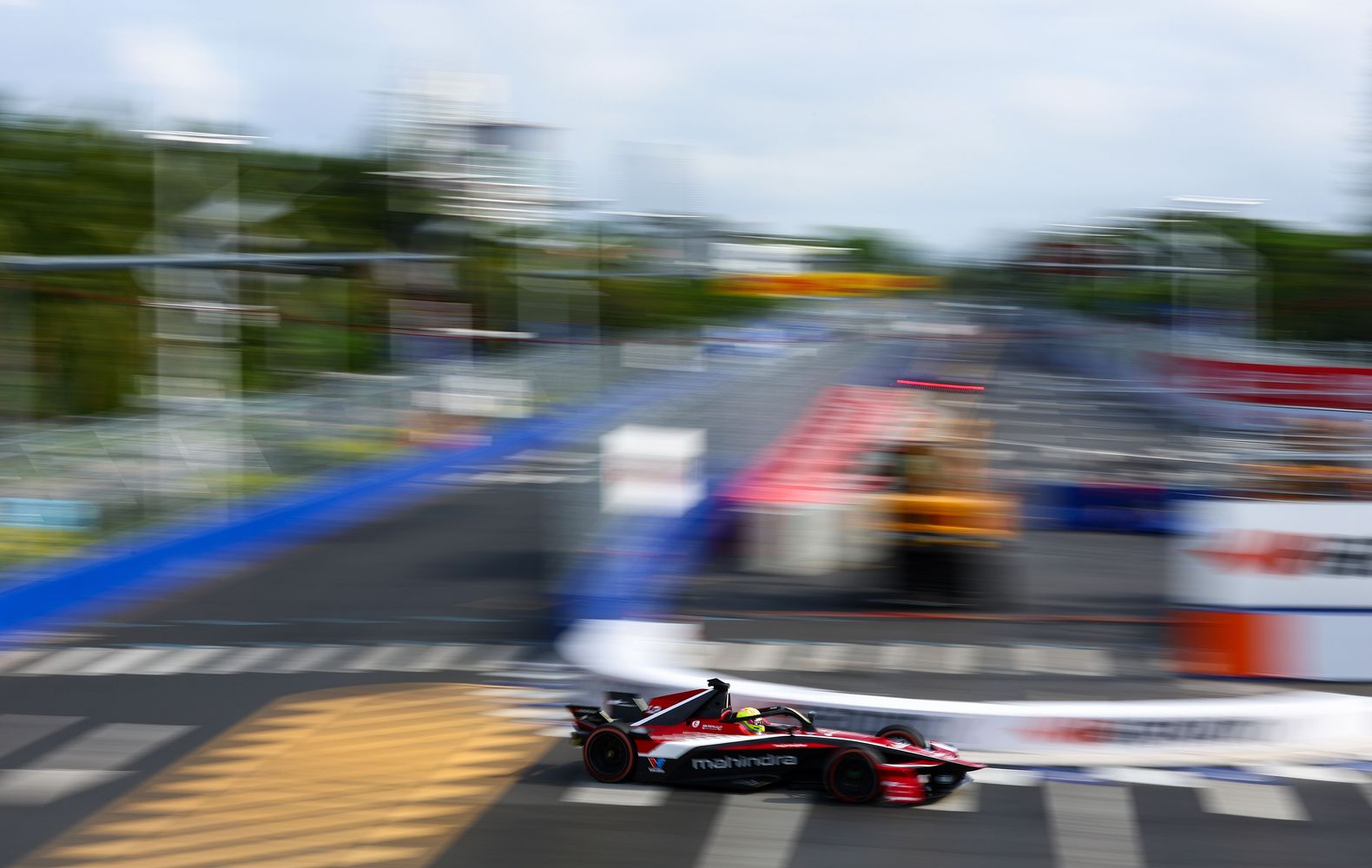
Barcelona underlined how a stone can flip results instantly. For both drivers and teams, losing control through an external strike is bruising, yet it reflects motorsport’s inherent unpredictability.
Regulatory change appears unlikely short‑term, as risk remains low and marshal access is paramount. Guidance on protective fairings or materials could follow once teams present validated solutions.
The cost is tangible: potential points vanish late, damaging momentum in compressed calendars. Similar setbacks can tilt qualifying strategies and race‑day risk appetites across the paddock.
Expect teams to trial guards or revised loop orientations before upcoming rounds.
As manufacturers such as BYD deepen involvement, reliability expectations rise. Minimising freak stoppages becomes another differentiator in the development race.
Visual Summary
OFF
?
Tiny debris
Stopped the race — Twice.
Stopped the race — Twice.
?️
F1:
Hülkenberg
Barcelona
Hülkenberg
Barcelona
+
⚡
Formula E:
Mortara
Sanya
Mortara
Sanya
?
Two drivers. Different series.
Both races ended by a freak accident nobody saw coming.
Both races ended by a freak accident nobody saw coming.
A single hit to the kill switch loop — from flying gravel and debris — killed both cars instantly.
Motorsport’s tiny details can change everything.
Motorsport’s tiny details can change everything.

Zane Muniz writes across NASCAR, IndyCar, F1, IMSA, NHRA, and dirt-racing news. His breaking-news alerts and event previews ensure motorsport fans never miss a lap, drift, or drag-strip showdown.
Related FervoGear guide: custom drag racing suit built for driver protection, custom fit, and sponsor-ready design.