https://shop.fervogear.com/cart

How a Top Formula E Talent Is Mastering George Russell’s Winning Strategy

Highlights
- Taylor Barnard mirrors George Russell’s strategy in Formula E.
- Barnard moved to DS Penske after McLaren exited Formula E.
- DS Penske struggles with performance and energy efficiency issues.
- Barnard achieved one top-five finish and two front-row starts.
- Currently 15th in championship, focusing on realistic race goals.
- DS Penske plans to leave Formula E after this season.
Taylor Barnard is adopting George Russell’s Williams-era expectation management in Formula E this season, reflecting DS Penske’s energy-efficiency struggles and the team’s planned exit after the campaign.
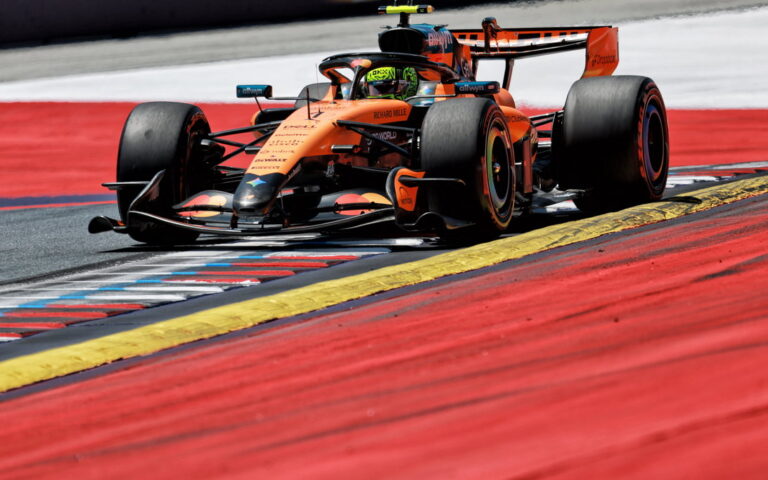
Last year with McLaren, Barnard regularly threatened poles and podiums, finishing fourth overall with two poles and five podiums.
McLaren’s withdrawal forced a move to DS Penske, where chronic efficiency and overall pace deficits limit race-day competitiveness and strategic flexibility.
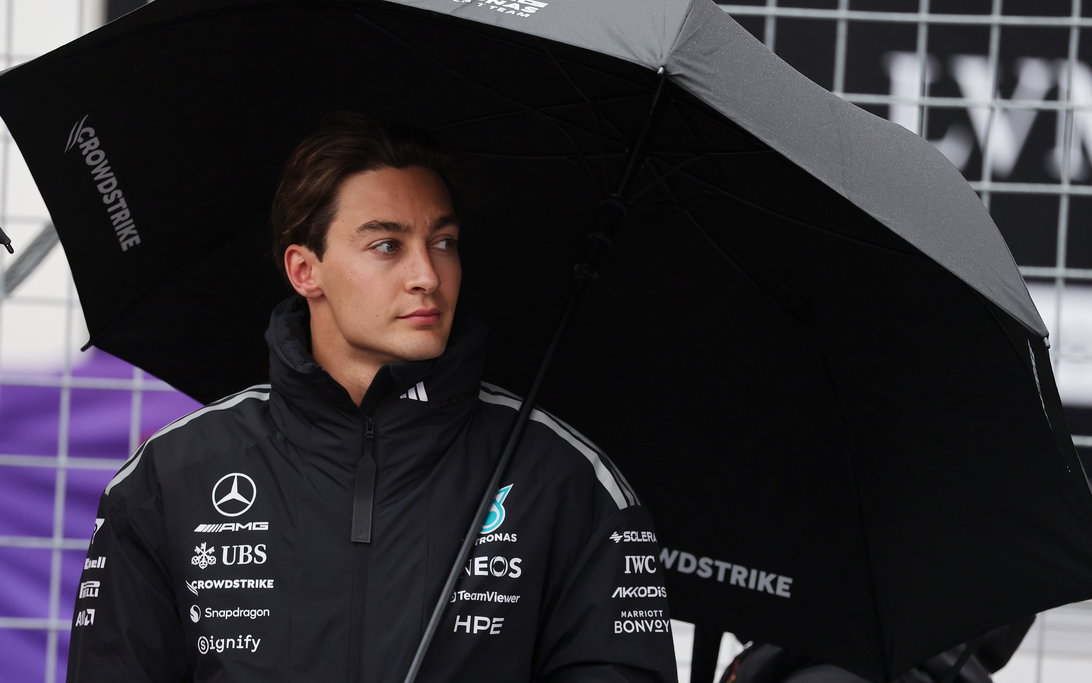
Even so, Barnard has shown one-lap speed, delivering two front-row starts. His single top-five arrived with fourth place in Mexico City.
One top-five finish and two front-row starts underline Barnard’s raw pace despite race-day limitations.
He sits 15th in the standings, scoring in five of ten rounds, but typically at the lower end of the top ten.
That context drives a Russell-style mindset. As George Russell did at Williams, Barnard calibrates targets to the car, treating a realistic P10 as a job executed.
The focus shifts to extracting repeatable peaks, protecting confidence, and banking experience rather than chasing unobtainable wins. That approach mirrors Russell’s methodical consolidation in challenging machinery.
DS Penske plans to leave Formula E after this season, intensifying the stakes for Barnard.
It also suits DS Penske’s competitive profile. Efficiency weaknesses compress strategic options across energy-limited stints, often converting strong qualifying into defensive races.
The backdrop is uncertain. DS Penske intends to depart at season’s end, increasing pressure to showcase value and secure future opportunities in a tight driver market.
If the package is P10 material, Barnard treats P10 as success — a George Russell-inspired mindset.
Barnard’s steady accumulation strategy aims to maximise points while limiting downside. Mexico performance hints at upside if efficiency gains unlock better race execution.
The philosophy echoes Russell’s measured weekends, notably highlighted around Mercedes’ Monaco campaign and Russell’s Monaco qualifying, where expectation management underpinned clean execution and incremental gains.
Visual Summary
2023:
Title Contender
Title Contender
2024:
Reality Plateau
Reality Plateau
?
New Mindset: Barnard chases realistic wins — not miracles. If P10 is possible, P10 is success.
New Mindset: Barnard chases realistic wins — not miracles. If P10 is possible, P10 is success.
?
Inspired by
George Russell’s ‘climb what’s possible’ approach
Best Result
4th
Mexico City
Front Row
2x
Started 2nd
this season
this season
Championship
15th
10 races
5 points finishes
5 points finishes

Zane Muniz writes across NASCAR, IndyCar, F1, IMSA, NHRA, and dirt-racing news. His breaking-news alerts and event previews ensure motorsport fans never miss a lap, drift, or drag-strip showdown.
Related FervoGear guide: custom drag racing suit built for driver protection, custom fit, and sponsor-ready design.