https://shop.fervogear.com/cart

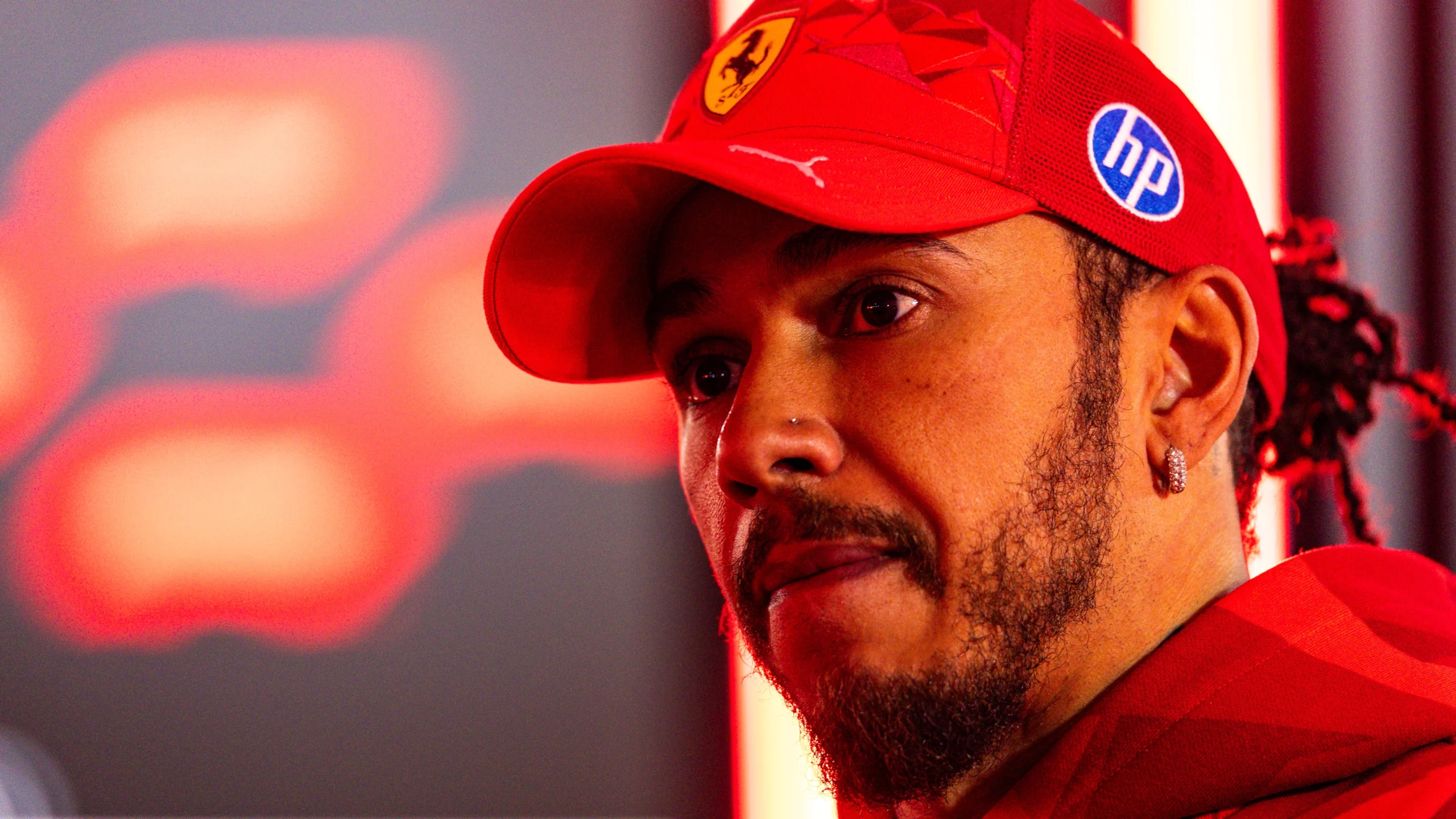
Lewis Hamilton Shocked by Ferrari Letdown After Bold Prediction

Highlights
- Hamilton surprised by Ferrari’s poor pace at Austrian Grand Prix.
- Ferrari finished eighth and fifth despite strong qualifying positions.
- Hamilton adopted three-stop strategy anticipating high tire degradation.
- Early medium tire start hurt Hamilton’s race rhythm and pace.
- Hamilton finished behind McLaren’s Oscar Piastri in fifth place.
- Race highlighted strategy challenges amid extreme heat and track conditions.
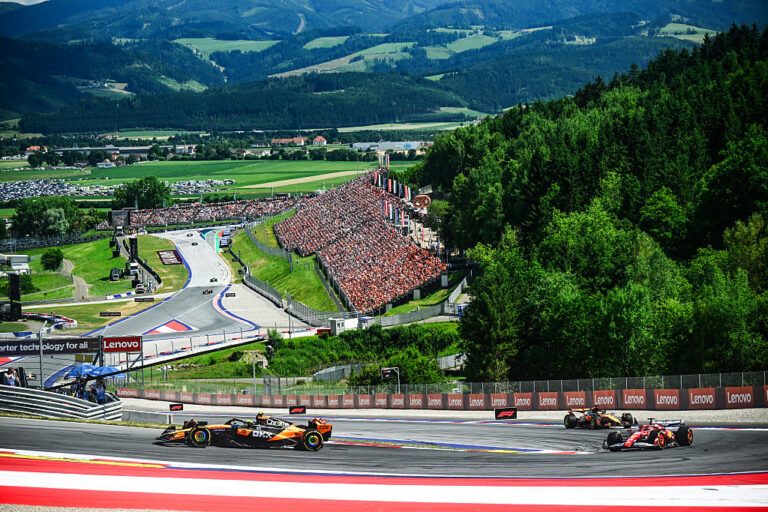
Lewis Hamilton highlights Ferrari’s unexpected pace drop at the Austrian Grand Prix, as extreme heat compresses strategy windows and undermines race-day plans at the Red Bull Ring.
The Briton commits to a three-stop approach, expecting heavy thermal degradation. Simultaneously, Ferrari slips from strong grid slots to a muted fifth and eighth, exposing setup and tyre-management vulnerabilities.

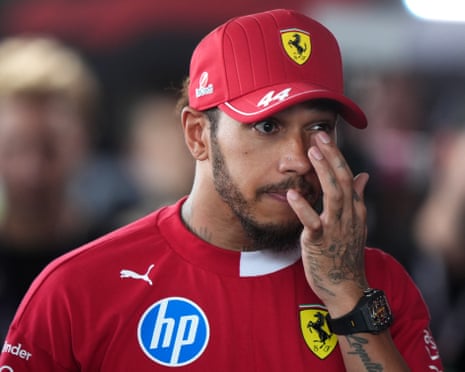
Hamilton runs third early before Max Verstappen moves ahead. An early stop among the leaders locks in the three-stop plan, designed around track temperatures peaking near 60°C.
That theory collides with reality. Traffic after each stop erodes the intended tyre offset, and McLaren’s Oscar Piastri capitalizes, finishing ahead as Hamilton’s recovery stalls in dirty air.
Track temperatures peaked near 60°C, compressing the gap between two and three stops and blunting undercut potential.
Pre-race, Hamilton argues a soft-tyre launch would be quickest over the opening phase. The team instead starts him on mediums to limit early wear and protect flexibility.
The compromise backfires. Following George Russell, Hamilton struggles with rear slip and straightline efficiency, losing rhythm as the first medium stint degrades faster than models suggest.
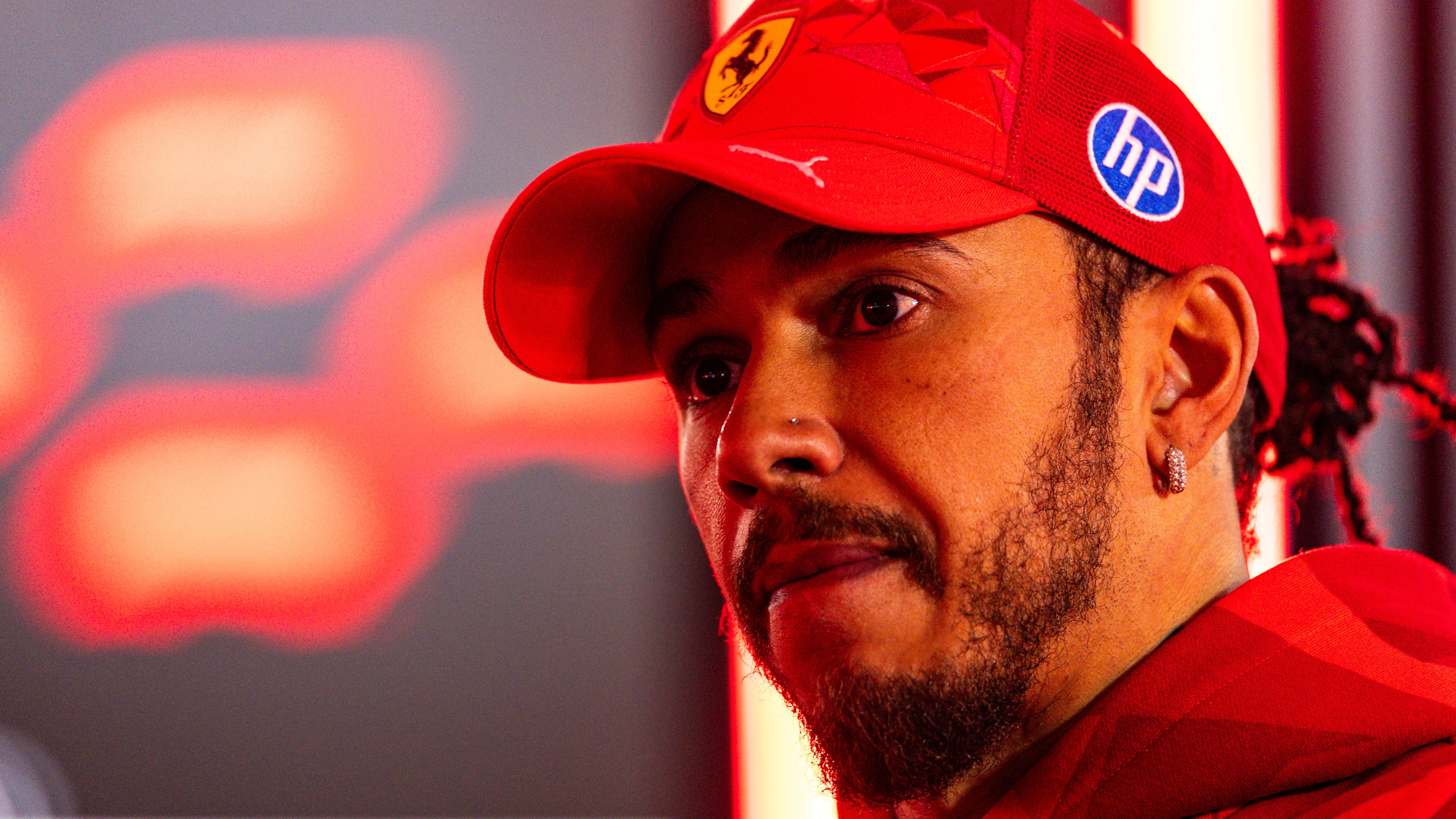
Hamilton argued for a soft-tyre start but was placed on mediums to hedge against early wear and overheating.
Switching to fresh softs later offers limited upside. The field’s pace compression and persistent traffic dilute the tyre delta, narrowing what simulations suggested was roughly a four-second advantage for three stops.
Ferrari’s own fade from qualifying promise to race-day struggle mirrors recent concerns. Their inconsistency, explored in detail in Ferrari’s pace did not match expectations, again shapes the competitive order.
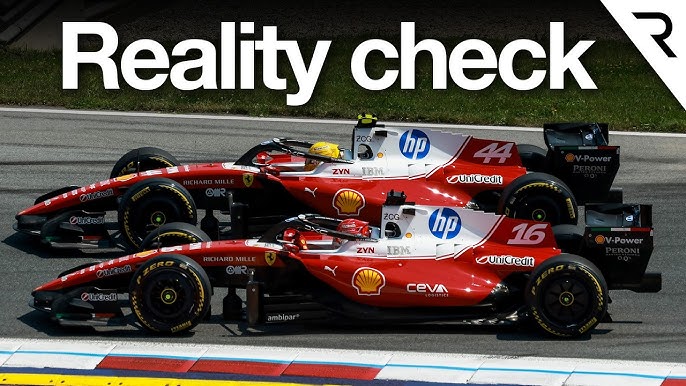
Ferrari’s SF-26 faded from strong grid slots to fifth and eighth as unexpected degradation exposed balance and setup trade-offs.
Red Bull and Verstappen exploit the conditions ruthlessly, converting track position and clean air into control. The margin underscores how small strategic errors magnify when degradation forecasts miss.
Hamilton’s reflections arrive as the calendar pivots to Silverstone. Lessons on stint length, traffic risk, and tyre phase management will inform Mercedes’ response and ongoing title positioning.
The dynamics also sit within the broader Hamilton–Ferrari storyline, with Austria adding another data point to a season defined by volatility and narrow margins.
As the team debrief continues, Austria’s outcome feeds into evolving strategies for the 2026 Formula 1 campaign, where adaptability remains the decisive currency.
Visual Summary
HOT
?
Ferrari Fade, Heat Haze Hamilton
? 60°C track temps: Ferrari fall, Hamilton stuck, Verstappen flies.
Hamilton’s 3-stop gamble turned into tire trouble and traffic jams—while Ferrari
tumbled from the front row to P5 & P8 in the ghostly Red Bull Ring heat.
tumbled from the front row to P5 & P8 in the ghostly Red Bull Ring heat.
Hamilton
8th
Medium Soft Soft
?
Hamilton stuck
in traffic
Hamilton stuck
in traffic
5th
Piastri
Ferrari
5th
8th
8th
Qualified strong, faded fast
Even F1’s best plans melt in the heat.
The heatwave of Austria burned up strategies, expectations—and Ferrari’s front row.

Daniel Miller reports on Formula 1 Grand Prix weekends with race-day analysis, team-radio highlights, and point-standings updates. He explains power-unit upgrades, aerodynamic developments, and driver rivalries in straightforward, SEO-friendly language for a global F1 audience.
Related FervoGear guide: custom fire suit built for driver protection, custom fit, and sponsor-ready design.