
https://shop.fervogear.com/cart


Max Verstappen Calls F1 Power Units ‘LEGO’ After Bahrain GP Glitch

Highlights
- Verstappen criticised engine regulations after Bahrain Grand Prix power loss.
- Software glitch caused power drops during wet track formation lap.
- FIA issued software update to fix engine issues before race start.
- Verstappen secured 72nd victory, Red Bull’s first with own power unit.
- FIA plans full review with teams to prevent future power issues.
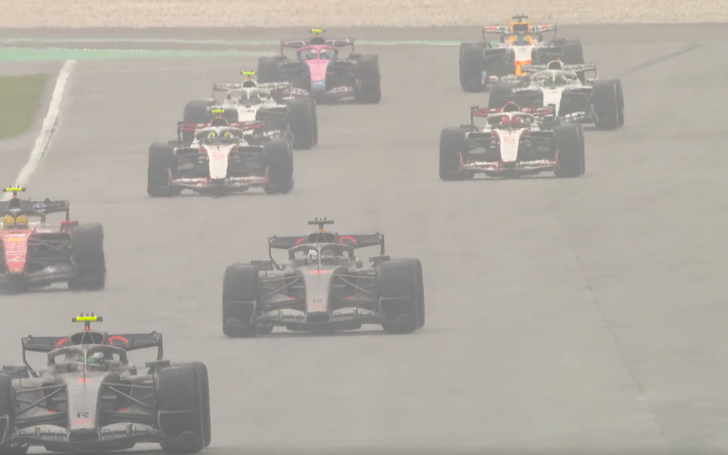
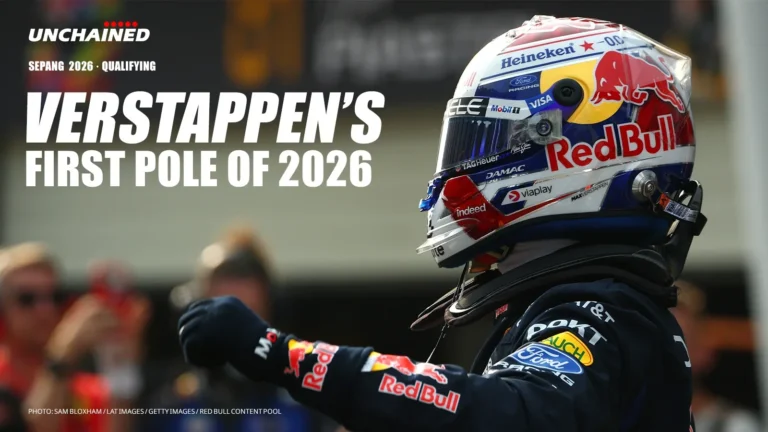
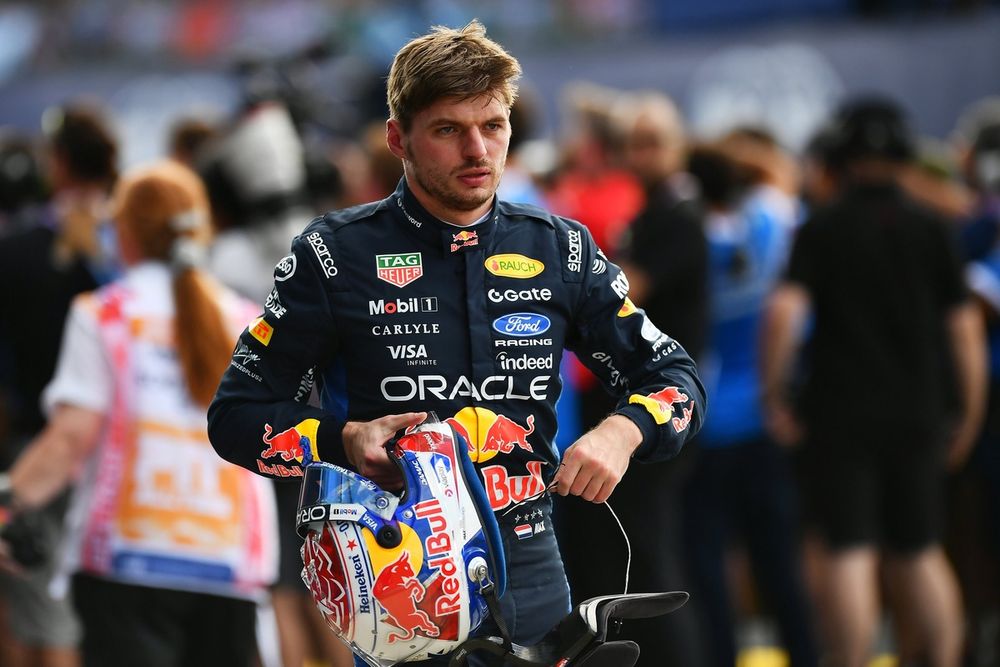
Max Verstappen condemns F1’s engine complexity after a software glitch triggers formation-lap power loss at the wet Sepang venue of the Bahrain Grand Prix.
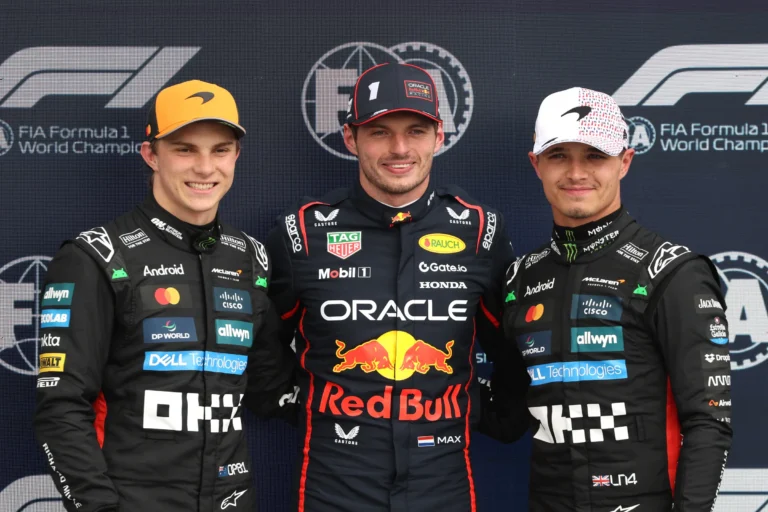
He still converts the delay and fix into his 72nd victory, Red Bull’s first with its in-house power unit, underlining the car’s underlying pace and the operation’s race-day composure.

The problem surfaces at low speed in damp conditions, affecting Verstappen, Lewis Hamilton, and others. Hybrid control software cuts power unexpectedly as engines bog at very low RPM.
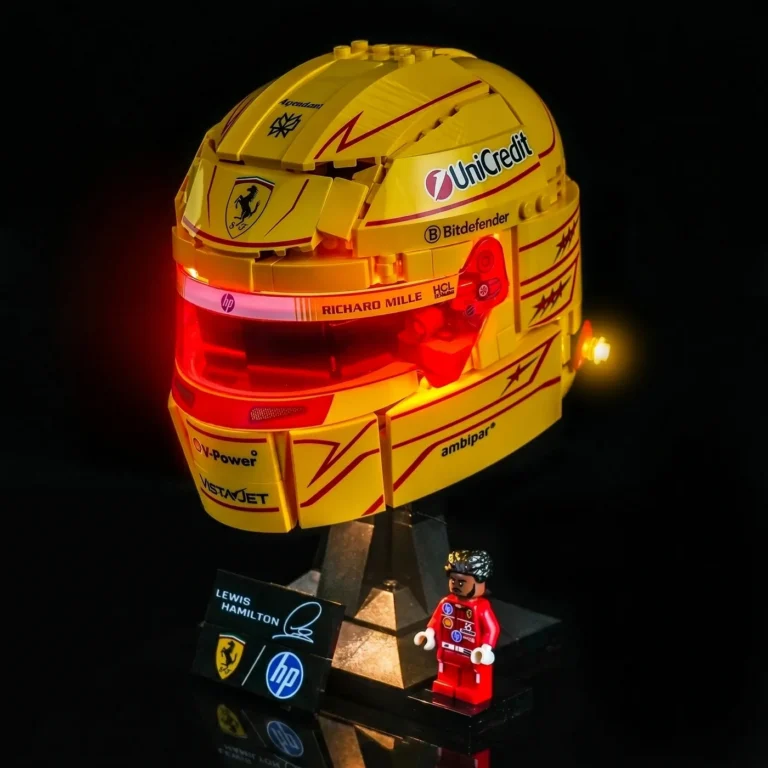
“It was like the LEGO race,” Verstappen says, criticizing software-driven unpredictability in wet, low-speed conditions.
Verstappen explains the software’s recovery window varies with timing cycles. The first pass does not clear the fault, but a subsequent update restores drivability ahead of the start.
The FIA issues a technical note citing low engine speed, reduced grip, and energy management interactions as the root. The behaviour had not appeared in testing or prior formation laps.
FIA issues an emergency software update during the rain delay, easing energy limits in affected Sepang sectors.
That interim change relaxes sector-specific energy constraints, improving torque delivery for the getaway. It stabilizes deployment sufficiently for Verstappen to control the first stint.
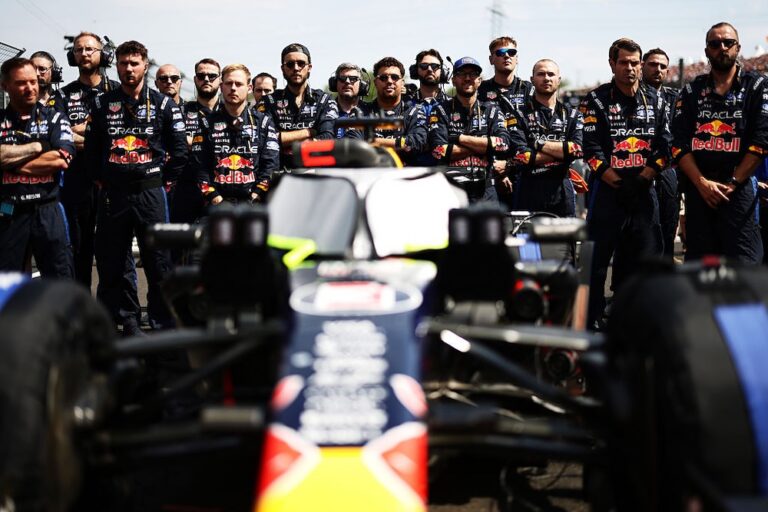
Red Bull executes cleanly after the reset, protecting track position and tyre condition. The win extends momentum and strengthens its early hand in the championship standings.
Red Bull’s first victory with its own power unit lands despite a formation-lap scare.
The incident also exposes governance challenges. Live software changes must balance safety and fairness while remaining within parc fermé and sporting constraints.
Rivals, including Hamilton, encounter the same phenomenon, underscoring systemic sensitivity. Teams seek clarity on calibration safeguards for slow-speed, wet running.
The FIA commits to a full review with manufacturers to harden thresholds, validation, and contingency procedures. Expect refined low-RPM maps and more robust deployment logic.
For Verstappen, the episode reinforces unease over software-driven performance volatility. The focus now shifts to resilience as conditions and grip levels swing rapidly across events.
FIA review to assess software calibration, validation, and sector-based energy controls after Sepang issues.
Attention also turns to the start phase, where marginal deployment differences can decide track position. Verstappen’s launch, once stabilized, matched Red Bull’s strategic strengths at the race start.
The wider lesson is clear: performance now depends as much on software governance as hardware. The aim is repeatable behaviour under the most demanding, low-speed conditions.
In the short term, the FIA’s action averts a compromised race. The promised FIA review will determine if this becomes a one-off or a defining 2026 theme.
Visual Summary
C H A O S M O D E
C H A O S M O D E
C H A O S M O D E
Software confusion rains on F1’s victory lane
Power Loss
Software Fix
Victory Speed
72
Career
Wins
🏆
Career
Wins
🏆
</>
FIA Pushes
Emergency Fix
FIA Pushes
Emergency Fix
🧱
Complex Engines
Complex Engines
Modern F1 power units: When software rains, even champions risk “LEGO” chaos.

Daniel Miller reports on Formula 1 Grand Prix weekends with race-day analysis, team-radio highlights, and point-standings updates. He explains power-unit upgrades, aerodynamic developments, and driver rivalries in straightforward, SEO-friendly language for a global F1 audience.