
https://shop.fervogear.com/cart


Piastri Acknowledges McLaren’s Need to Step Up After Malaysia P6 Finish

Highlights
- Oscar Piastri finished sixth at the Bahrain Grand Prix, Malaysia.
- Heavy rain caused delayed start and tricky tyre choices.
- Piastri pitted early for intermediates, dropping down the order.
- McLaren struggled to match Red Bull, Mercedes, and Ferrari pace.
- Piastri called for improvements to close gap with top teams.
- Focus on learning and refining strategies for upcoming races.
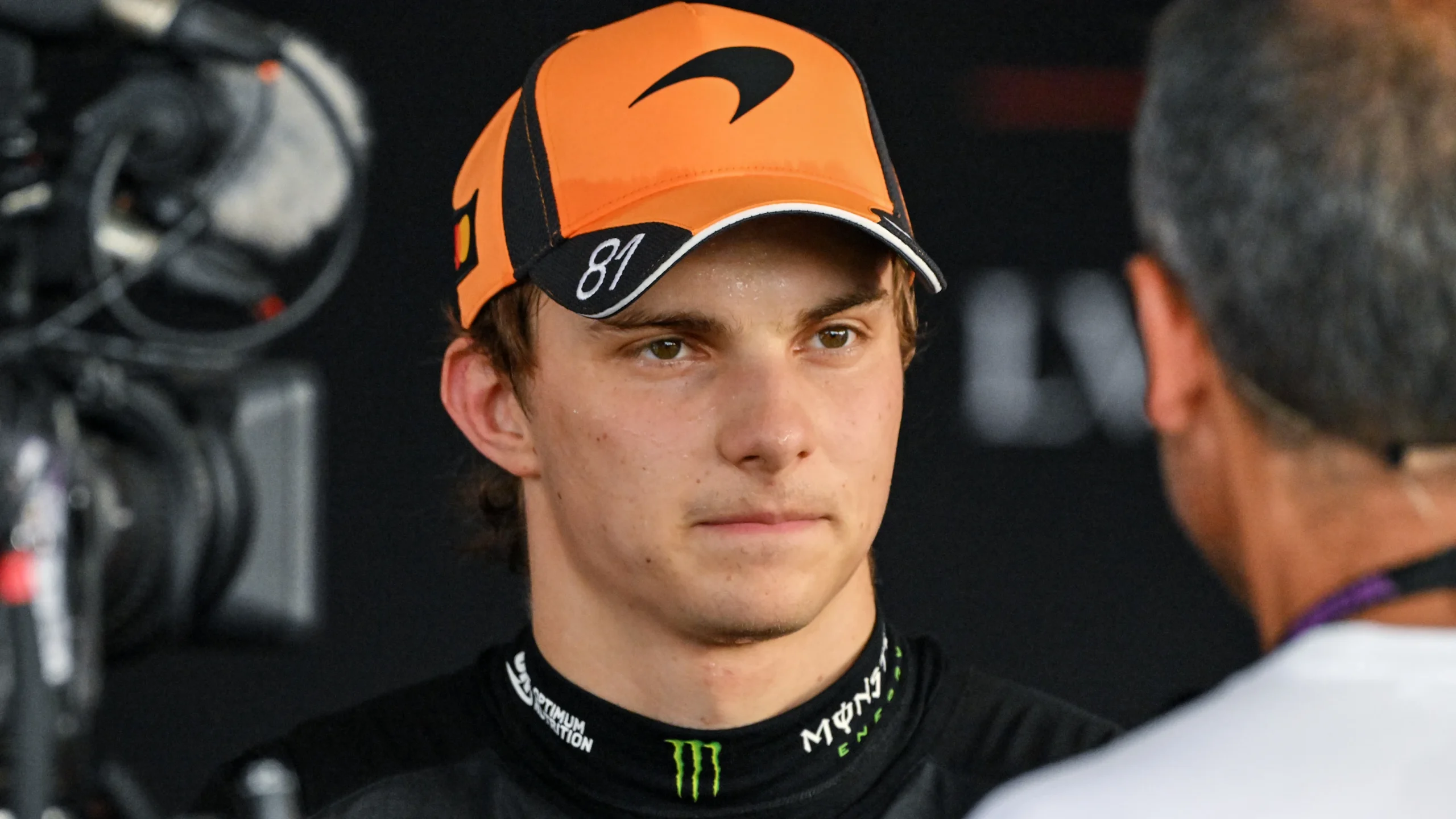
Oscar Piastri reviews a measured sixth place at Sepang, stressing McLaren must improve after lacking the outright pace to challenge the front-runners at the Malaysia Grand Prix.
Heavy rain delays the start and turns tyre selection into the decisive early variable. McLaren commits to mediums on a damp surface, a call that proves too optimistic within a lap.

Piastri pits at the end of lap one for intermediates and concedes track position. A subsequent Safety Car opens a window to switch him to hards, resetting his race on a cleaner strategy.
“We just weren’t quick enough to really do that much,” says Piastri after finishing where he started at Sepang.
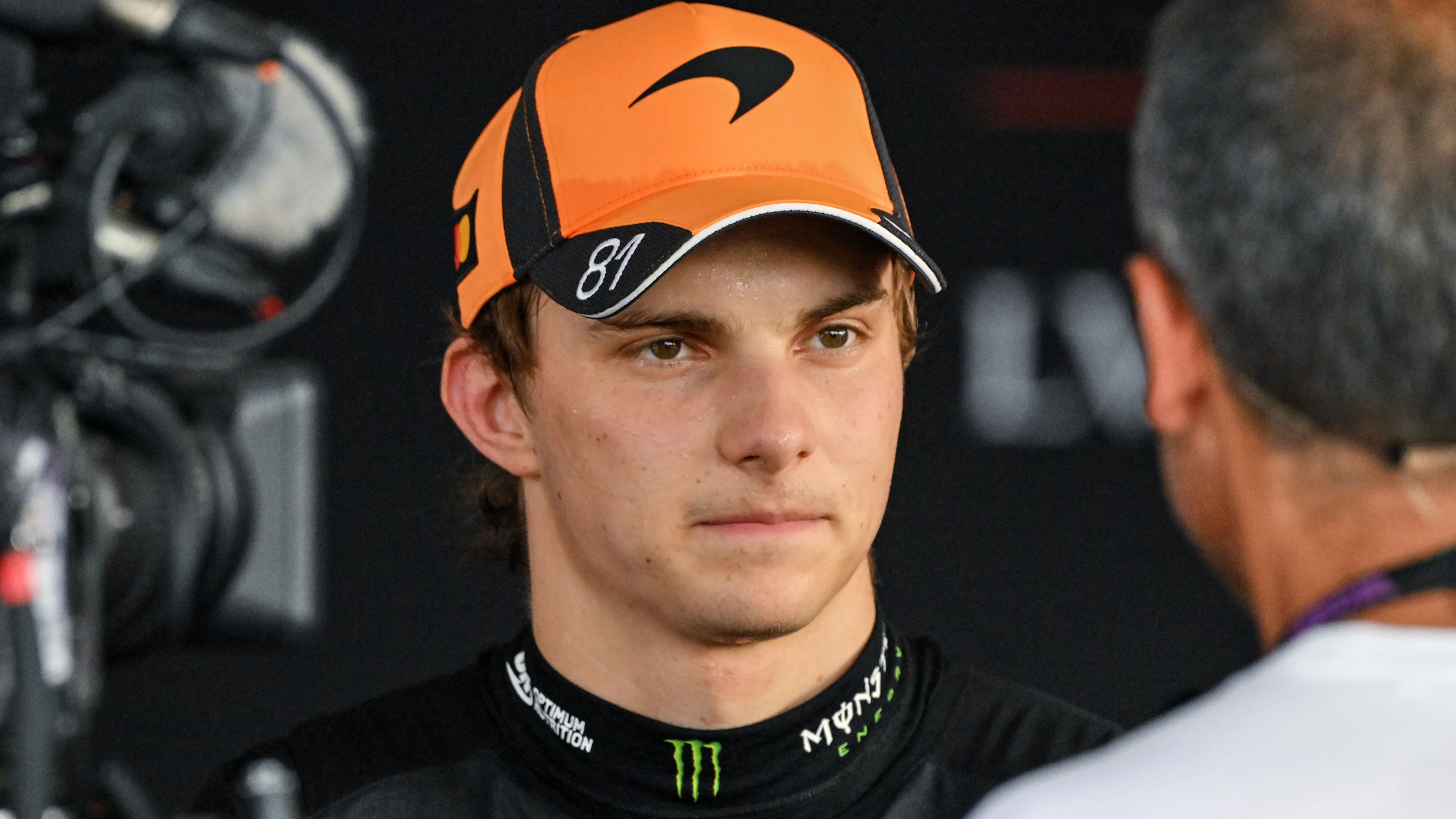
The Australian then makes steady progress, managing tyres and traffic. During the final Safety Car, he narrowly avoids contact when Lando Norris runs off, highlighting a tense phase for McLaren’s afternoon.
That off-track moment mirrors the wider operational strain on a wet, interruption-heavy race day, covered in detail with the Norris Safety Car incident in Malaysia analysis.
In pure performance terms, Red Bull remains the benchmark. Piastri notes the team’s step since Baku, underlined by Max Verstappen’s win and sustained race-day margin at Sepang.
McLaren’s pace sits broadly alongside Ferrari, but shy of Red Bull’s ceiling. Piastri believes he is closing on Charles Leclerc before the final Safety Car freezes the order.
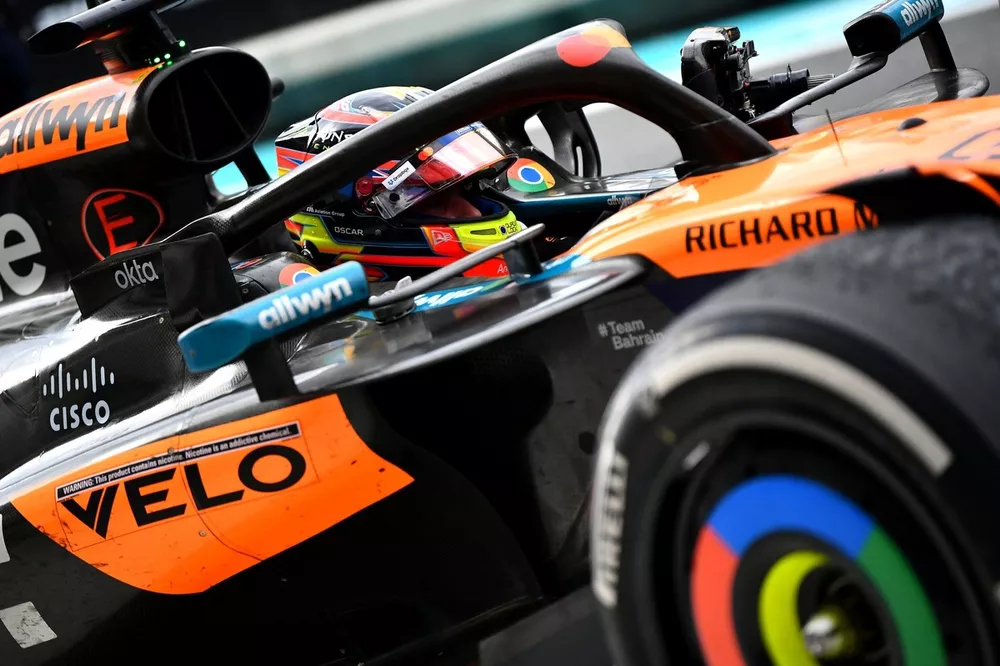
As at other wet-to-dry events, the competitive picture depends on tyre phase management and Safety Car timing. The delayed start and conditions feature in the Malaysia start delay recap.
Verstappen’s control in heat and humidity reinforces Red Bull’s advantage, consistent with the broader trend seen in the Verstappen Malaysia heat report and recent upgrade paths.
Piastri targets Leclerc before the final Safety Car, but the neutralisation halts his late-race momentum.
McLaren’s learnings focus on first-lap tyre calls, pit-window discipline, and better correlation between simulation and live grip levels. That ties to ongoing refinement of McLaren’s sim-to-track setup processes.
Against Mercedes and Ferrari, Piastri frames the task as incremental gains rather than single fixes. The emphasis is on aero efficiency, low-speed grip, and cleaner execution under pressure.
“We need to improve” remains Piastri’s headline message as McLaren chases consistency and outright pace.
The short-term objective is operational sharpness on changeable days. The medium-term target is development that unlocks race-leading stints, not just defensive drives within the top six.
With the field compressing behind Red Bull, Piastri’s tone is pragmatic. The pathway is clear; the challenge is delivering upgrades and decisions that withstand volatile race scenarios.
That perspective echoes recent warnings about rivals’ momentum, including Mercedes, as charted in Piastri’s caution on Mercedes gains.
Visual Summary

Daniel Miller reports on Formula 1 Grand Prix weekends with race-day analysis, team-radio highlights, and point-standings updates. He explains power-unit upgrades, aerodynamic developments, and driver rivalries in straightforward, SEO-friendly language for a global F1 audience.