

https://shop.fervogear.com/cart


Singapore Crisis Threatens To Spark Strategic Chaos For F1 Teams

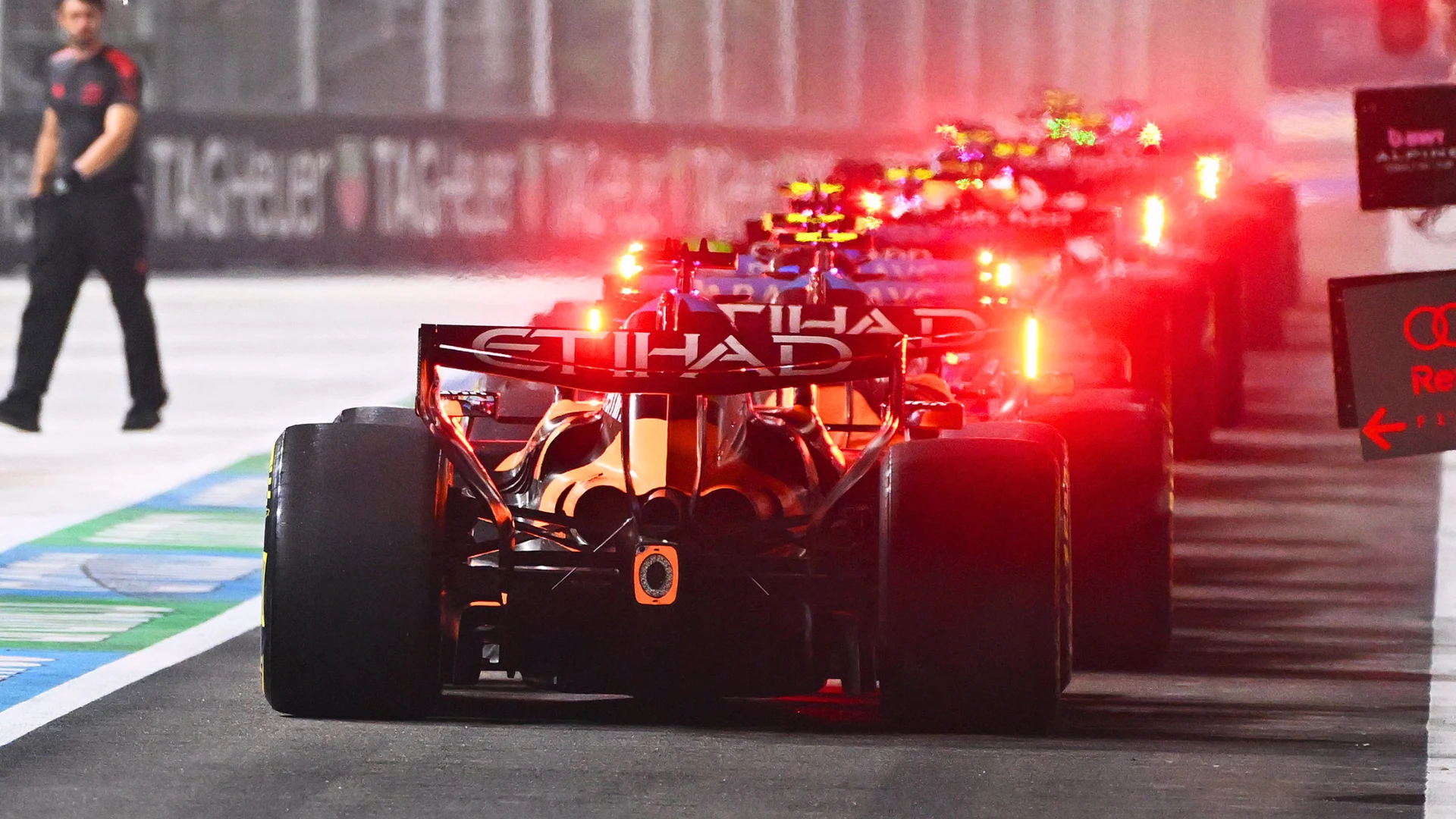
Highlights
- Safety car likely, appearing in four of last six Singapore GPs
- Soft and medium tyres favored for dry race conditions
- Most teams plan a one-stop strategy starting on soft tyres
- Expected pit window opens around lap 26 without interruptions
- Two-stop strategy seen as slower and less competitive option
- Overtaking difficult; tyre management and flexibility remain crucial
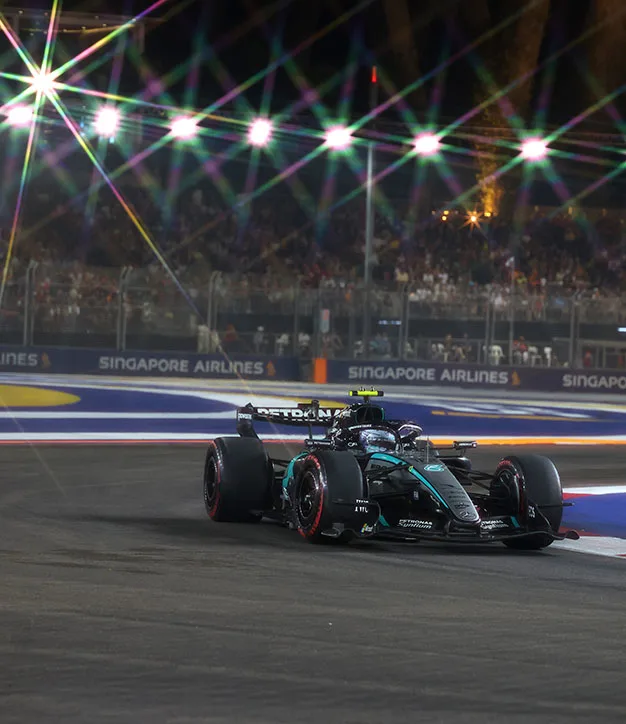
The Singapore Grand Prix demands disciplined strategy, with teams targeting a one-stop over 62 laps at Marina Bay while bracing for interruptions that could reshape Sunday’s competitive order.
Disruption is likely. A safety car featured in four of the last six races, 67%, with a 33% VSC chance, complicating pit windows and tyre choices on the Marina Bay street circuit under lights.

Pirelli expects soft and medium compounds to dominate in dry conditions, suiting traction zones and heavy braking, while the surface roughness rewards balanced degradation management over outright peak grip.
Safety car probability sits at 67%, making timing and tyre flexibility decisive.
Pirelli’s Dario Marrafuschi downplays the hard tyre as a primary race choice, arguing soft–medium offers a stronger performance-to-durability balance unless incidents or temperatures push teams toward added robustness.
Baseline planning targets a green-flag pit window near lap 26, flipping from softs to mediums. That aligns with Pirelli guidance and prevailing tyre strategy across the field.
Pit windows are expected to open around lap 26 under uninterrupted running.
An early safety car could pull the stop forward to around lap 23, opening a switch to hards. Others may stay on mediums, banking on manageable wear and cleaner air.
Pirelli’s modelling suggests a medium–hard one-stop is roughly five seconds slower than soft–medium. A two-stop costs about ten seconds overall, undermining track position in notoriously difficult traffic.
Two-stop strategies are projected to be about ten seconds slower overall.
As ever in Singapore, execution matters as much as pace. Teams must preserve flexibility, judge undercuts carefully, and time restarts, with Sunday’s build-up underscoring caution around degradation and safety-car risks.
Saturday’s sprint qualifying has already influenced setup compromises and tyre allocation, adding another layer to strategy decisions should the race be punctuated by interventions.
Visual Summary
SAFETY CAR?
⚠️
67% chance of a Safety Car,
one unexpected interruption could wreck race strategy.
one unexpected interruption could wreck race strategy.
SOFT
Start
fragile balance
MEDIUM
Finish
Lap 26
Pit Window
67%
Safety
Car
Safety
Car
Lap 1
Lap 62
🔀
Strategy Sways
With Each Safety Car
With Each Safety Car
🛑
Overtaking is Tough
⏱️
Timing Pit Stops is Everything

Daniel Miller reports on Formula 1 Grand Prix weekends with race-day analysis, team-radio highlights, and point-standings updates. He explains power-unit upgrades, aerodynamic developments, and driver rivalries in straightforward, SEO-friendly language for a global F1 audience.




