https://shop.fervogear.com/cart


Mercedes Explains Why It Turned Down the Macarena Wing Over a Year Ago

Highlights
- Mercedes studied but rejected the rotating rear Macarena wing concept.
- Rotating wing reduces drag but causes significant downforce loss.
- Mercedes leads constructors’ championship with a 134-point advantage.
- Driver Kimi Antonelli leads teammate George Russell by 102 points.
- Mercedes splits upgrade packages; latest updates due at US Grand Prix.
- Team remains open to future reconsideration of Macarena wing technology.
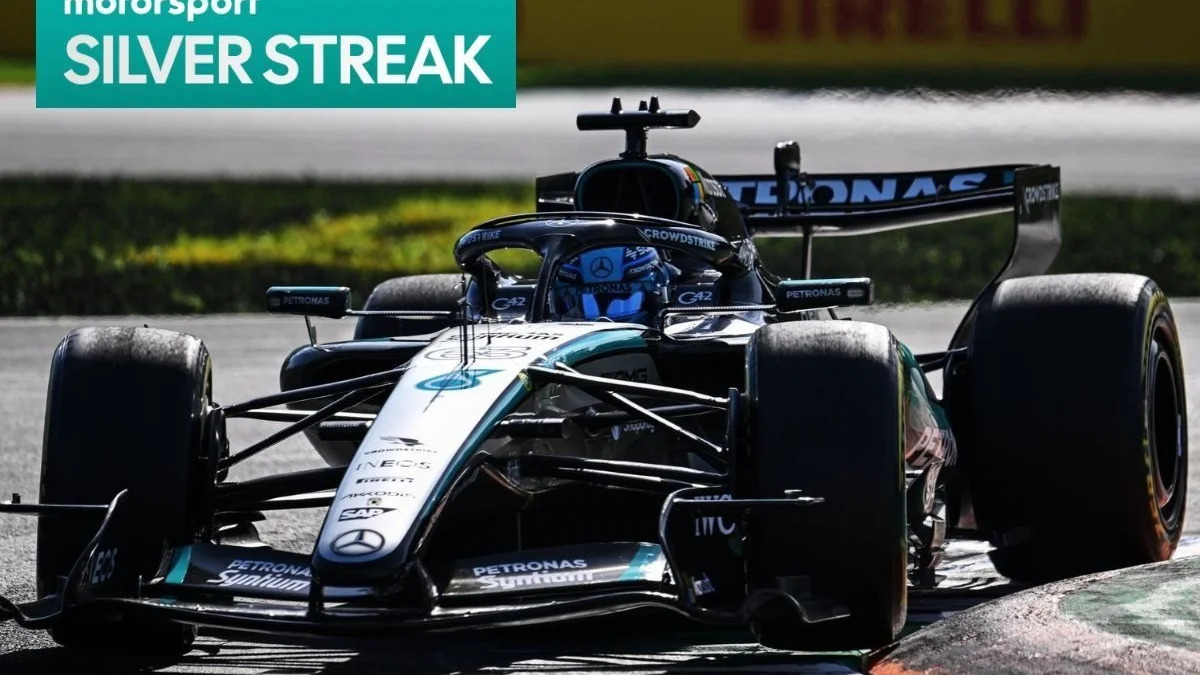
Mercedes reveals it assessed a rotating rear “Macarena” wing more than a year ago but parked the idea, with deputy technical director Simone Resta citing an unfavourable drag‑versus‑downforce trade on a recent team broadcast.
The concept rotates the main flap in a straight‑line mode to cut drag and lift top speed. Ferrari pioneered the approach, with Red Bull and McLaren conducting their own tests as the idea spread through the pitlane.

Resta says Mercedes’ simulations show the device reliably trims drag, but it also triggers a downforce deficit any time it runs in open mode. That persistent loss undermines overall performance across sessions.
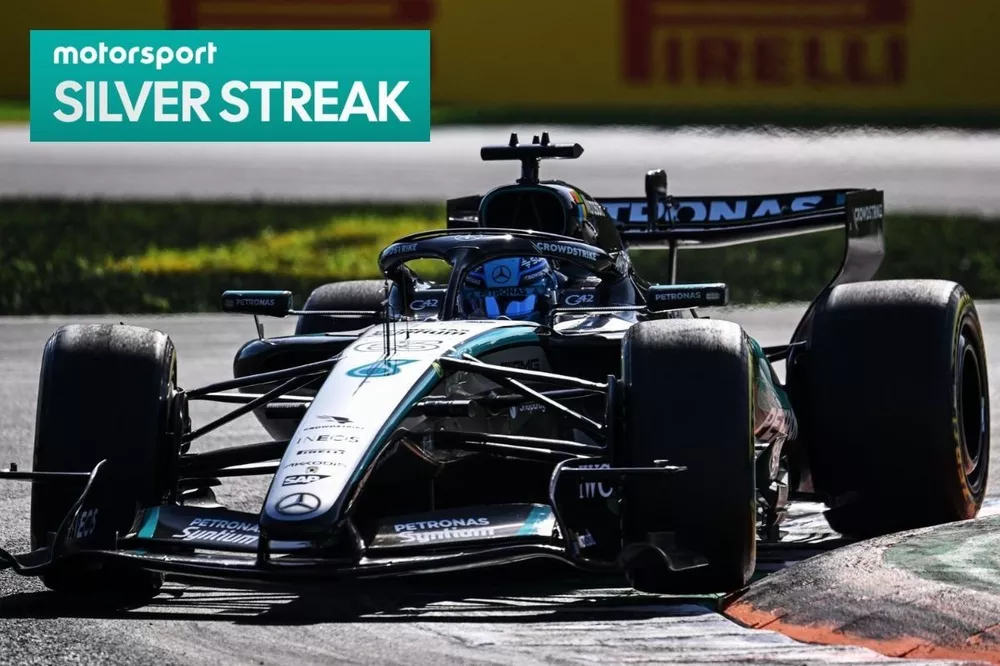
He indicates the engineering effort and manufacturing complexity were not justified at the time. However, Mercedes keeps the option open and continues to benchmark rival solutions as the competitive picture evolves.
Mercedes rejected the rotating wing after simulations flagged a persistent downforce loss in open mode.
That caution comes amid championship momentum. Mercedes leads the constructors’ standings on 578 points, 134 clear of Ferrari, while Kimi Antonelli holds a 102‑point cushion over George Russell heading into Austin.
Mercedes holds a 134‑point constructors’ lead and targets consolidation in Austin.
Development focus remains on coherent package gains rather than headline straight‑line tricks. The team split specifications in Singapore, then Toto Wolff confirmed the latest updates will be installed on both cars for the United States Grand Prix, targeting upgrades that improve overall package performance.
Latest Mercedes updates are scheduled for both cars at the United States Grand Prix.
The wider regulatory backdrop also matters. With the concept attracting attention, the balance of risk could shift if an FIA clampdown on the Macarena wing tightens interpretations around moving aerodynamic devices.
Track profile and set‑up windows further shape the decision. Gains on the straights must outweigh time lost through corners and stability compromises, especially with tyre management and DRS effectiveness varying circuit to circuit.
For now, Mercedes prioritises predictable aero characteristics over transient straight‑line gains, a theme consistent with its recent experiment work and incremental updates. The team remains ready to revisit the rotating wing if the cost‑benefit picture changes.
Antonelli leads Russell by 102 points as Mercedes balances risk and reward on upgrades.
With rivals iterating rapidly, the technical arms race is set to intensify through Austin and beyond, ensuring continual reassessment of high‑payoff concepts such as the rotating rear wing.
Visual Summary
Mercedes Holds Their Line
Choosing innovation—but only on their own terms
Choosing innovation—but only on their own terms
Ferrari
Mercedes
Constructors’ points: Mercedes 578 • Ferrari 444
“We studied the Macarena wing closely—but for now, the balance isn’t right for us.”
— Simone Resta, Mercedes F1
— Simone Resta, Mercedes F1
🏎️
Ferrari debuted Macarena
Ferrari debuted Macarena
🐂
Red Bull joins in
Red Bull joins in
🦈
McLaren tests
McLaren tests
Antonelli
Russell
Antonelli +102 points over Russell
🚗 +🔧
Latest package updates for
both cars at Austin
both cars at Austin
Staying fast—but refusing to spin
Mercedes outpaces rivals, holding off on the Macarena wing—
all eyes on Austin to see who innovates next.
all eyes on Austin to see who innovates next.

Daniel Miller reports on Formula 1 Grand Prix weekends with race-day analysis, team-radio highlights, and point-standings updates. He explains power-unit upgrades, aerodynamic developments, and driver rivalries in straightforward, SEO-friendly language for a global F1 audience.