
https://shop.fervogear.com/cart


Lewis Hamilton Slams F1’s Risk-Averse Changes: ‘I Strongly Dislike It’


Highlights
- Lewis Hamilton criticizes safer, less punishing tarmac run-offs in F1.
- Circuit of the Americas replaced gravel with tarmac run-off zones.
- Safer run-offs reduce driver errors’ consequences and race challenges.
- Multiple racing series’ needs make grass/gravel costly and impractical.
- Hamilton recalls 2020’s high-downforce cars increased physical race demands.
- Debate continues on balancing safety and challenge in F1 track design.
Lewis Hamilton criticizes F1’s move toward expansive tarmac run-offs, saying it reduces jeopardy and dilutes skill-testing elements, a point underscored during the 2024 United States Grand Prix in Austin.
He argues grass and gravel historically punished errors, whereas tarmac enables quicker recovery, fewer car damages, and smaller time losses after off-track excursions.

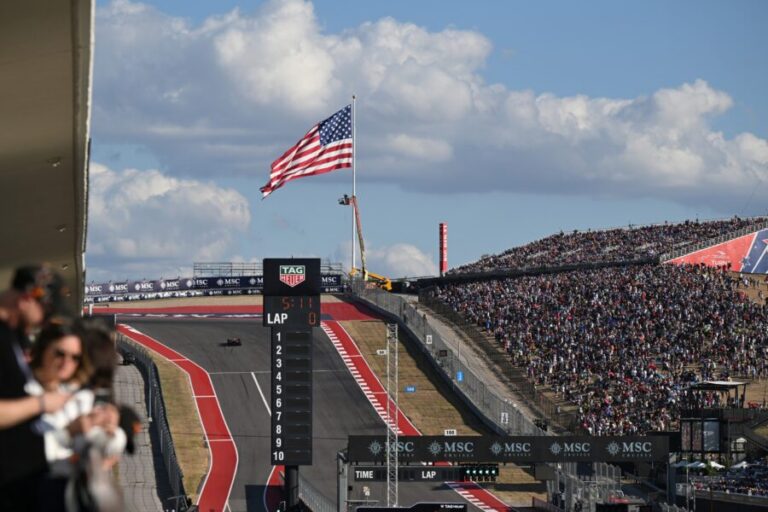
At COTA, Hamilton’s spin first crossed a wide tarmac apron before reaching distant gravel, limiting consequences and simplifying rejoin angles relative to traditional deterrent surfaces.

Many Grade 1 circuits host multiple series, so organizers prioritize surface uniformity and rapid turnaround. Tarmac run-offs reduce maintenance complexity and support diverse event requirements across a busy calendar.
Reconfiguring to gravel for one weekend is costly, time-consuming, and operationally risky, particularly when balancing motorcycle standards, GT usage, and local liability concerns.
“Tarmac run-offs make modern F1 less punishing for mistakes.” — Hamilton
Sporting consequences follow. With weaker natural deterrents, track-limits policing leans on sensors, warnings, and time penalties rather than gravel-induced self-regulation that historically shaped risk profiles.
Hamilton also cites 2020’s high-downforce cars. Physical loads peaked, yet generous run-offs meant the racing jeopardy did not rise proportionally, softening the error cost drivers typically factor.
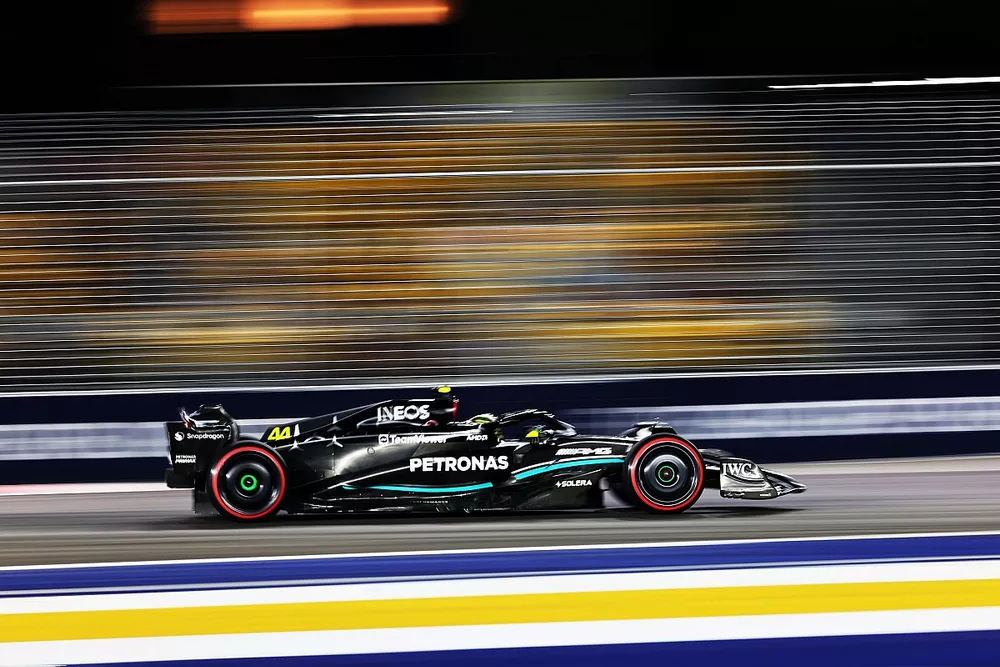
From a regulatory lens, FIA safety philosophy favors predictable deceleration zones, vehicle containment, and clearer recovery options. Tarmac supports medical access, reduces roll risk, and limits debris-induced stoppages.
That balance remains contested inside the paddock. Hamilton’s stance aligns with calls to restore jeopardy, echoing his broader views on F1 changes.
COTA’s layout shows gravel placed far from the racing line, curbing consequences for minor errors.
The competitive picture shifts too. With safer run-offs, teams commit to peak kerb usage and aggressive setups, accepting potential time penalties instead of gravel-trap DNFs that once constrained approach.
Debate will intensify as venues and rules evolve. Expect scrutiny alongside narratives like the Hamilton–Alonso rivalry and Hamilton’s recent performance boost, while persistent Ferrari rumors keep strategic choices in focus.
The 2020 high-downforce era amplified physical strain without restoring jeopardy on forgiving layouts.
Visual Summary
🌾 Grass &
Gravel
🛣️ Tarmac
Run-Off
💥
Old-School Risk →
Modern Safety
Lewis Hamilton misses the challenge of grass and gravel run-offs.
“Risk is vanishing. Racing is less punishing.”
🏁
USA 2024: Spin
USA 2024: Spin
🦺
More tarmac, less risk
More tarmac, less risk
🤔
Debate: Excitement
or safety?
Debate: Excitement
or safety?

Daniel Miller reports on Formula 1 Grand Prix weekends with race-day analysis, team-radio highlights, and point-standings updates. He explains power-unit upgrades, aerodynamic developments, and driver rivalries in straightforward, SEO-friendly language for a global F1 audience.