
https://shop.fervogear.com/cart


Max Verstappen Sets Record Straight on F1 Racing in Middle East

Highlights
- Verstappen denies refusing to race in Qatar and Abu Dhabi.
- Saudi Arabian Grand Prix canceled; Bahrain race moved to October.
- Missile strikes raised security concerns near Middle East races.
- Abu Dhabi and Qatar races remain on the 2024 calendar.
- Imola serves as backup venue for December 6 finale.
- 2026 season includes key races in Qatar and Abu Dhabi.
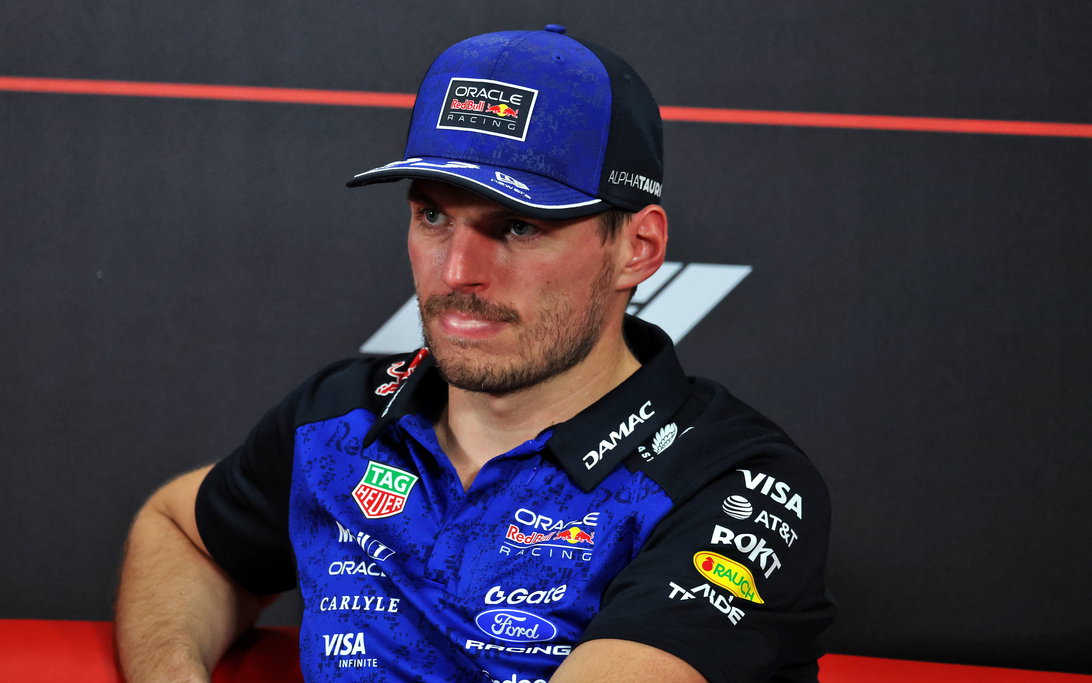
Max Verstappen clarifies his position on Middle East races, denying he refuses to compete in Qatar or Abu Dhabi, and stressing that safety decisions remain with Formula 1 and the FIA.
His late-September Viaplay remark that F1 “shouldn’t go” if regional conflict escalates, he says, reflects conditional caution rather than a boycott, with contractual commitments secondary to risk management.

Verstappen denies refusing to race and says safety calls rest with F1 and the FIA.
The calendar already shifts. The Saudi Arabian Grand Prix is canceled, while Bahrain’s round relocates to Sepang in October from its traditional April slot, compressing logistics late in the year.
Security concerns intensify after Houthi missile strikes on Saudi infrastructure, including King Khalid International Airport and Aramco headquarters, as detailed in the F1 Middle East update.
Despite the backdrop, Abu Dhabi and Qatar remain on the schedule, with Imola retained as backup for the December 6 finale should conditions require a late venue switch.
Saudi Arabia is canceled; Bahrain’s round moves to Sepang in October as the calendar adapts.
Speaking to media, including RacingNews365, Verstappen reiterates he enjoys racing there, provided conditions are right. “I trust that they make the right call,” he says of F1 and FIA.
That stance mirrors governance reality. Event viability hinges on government and promoter briefings, plus external risk assessments, leaving drivers informed but not decision-makers under the championship’s framework.
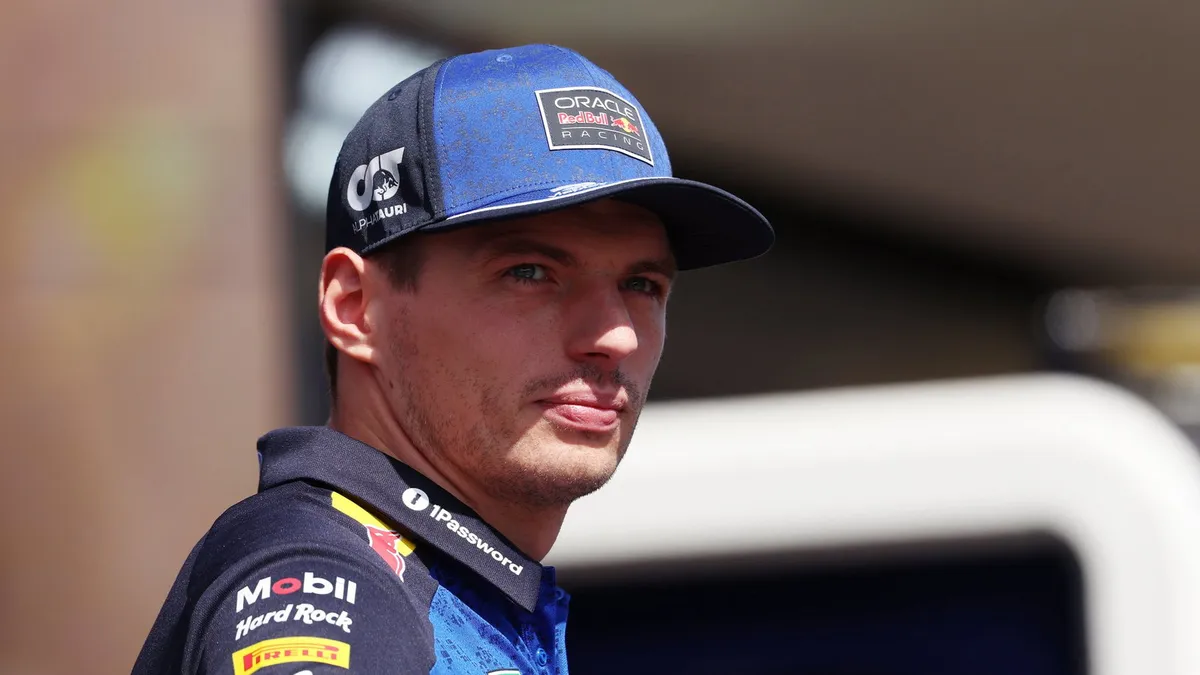
The late-season swing remains pivotal for the championship narrative, with Verstappen central to the fight, as covered in the title battle analysis.
Abu Dhabi and Qatar stay on the calendar, with Imola standing by as the December 6 backup venue.
For 2026, the run goes United States on October 25, then Mexico City, Brazil, and Las Vegas, before Qatar on November 29 and Abu Dhabi on December 6.
The competitive picture also sits within the broader Hamilton–Verstappen dynamic, assessed in our Hamilton–Verstappen verdict, where execution often outweighs venue characteristics late in campaigns.
As decisions loom, teams model scenarios around travel, spares, and setup windows. The priority remains unchanged: deliver competitive races while aligning operational risk with acceptable thresholds.
Visual Summary
🏎️
🏜️🇶🇦🇦🇪
Verstappen Walks the Tightrope
Race Safety vs. Middle East Conflict
💣
🗣️
📅
“I just said that I love going there, but, of course, under the right terms. I trust that they make the right call.”
– Max Verstappen
What’s at stake?
Two crucial races (Qatar & Abu Dhabi) remain on the calendar as the title fight continues—with safety decisions now in the hands of F1 and FIA.
Two crucial races (Qatar & Abu Dhabi) remain on the calendar as the title fight continues—with safety decisions now in the hands of F1 and FIA.
Safety Decision Barometer

Daniel Miller reports on Formula 1 Grand Prix weekends with race-day analysis, team-radio highlights, and point-standings updates. He explains power-unit upgrades, aerodynamic developments, and driver rivalries in straightforward, SEO-friendly language for a global F1 audience.