
https://shop.fervogear.com/cart


2026 F1 United States Grand Prix Austin Free Practice 2 Fastest Times

Highlights
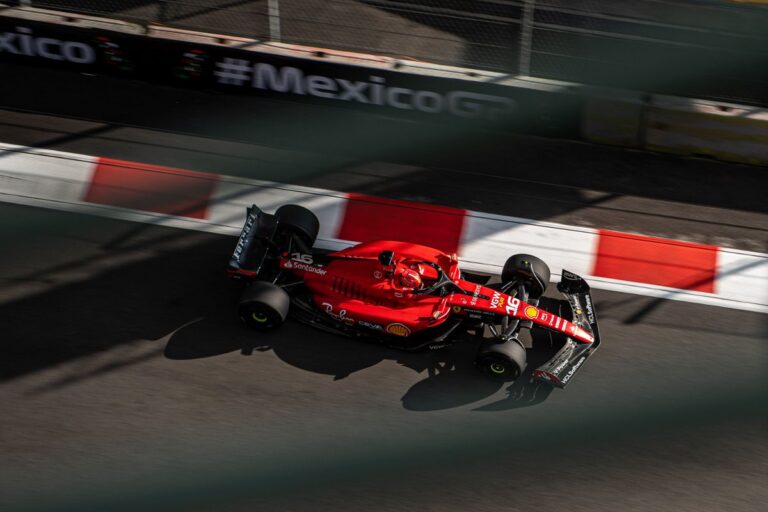
- Charles Leclerc topped FP2 with a 1:35.291 lap time.
- Kimi Antonelli finished second, 0.042 seconds behind Leclerc.
- Max Verstappen was third, 0.189 seconds slower than Leclerc.
- Lewis Hamilton placed fourth, six-tenths slower than Leclerc.
- FP2 lasted one hour, focusing on setups and data gathering.
- Teams analyze tyre wear and strategy ahead of qualifying.
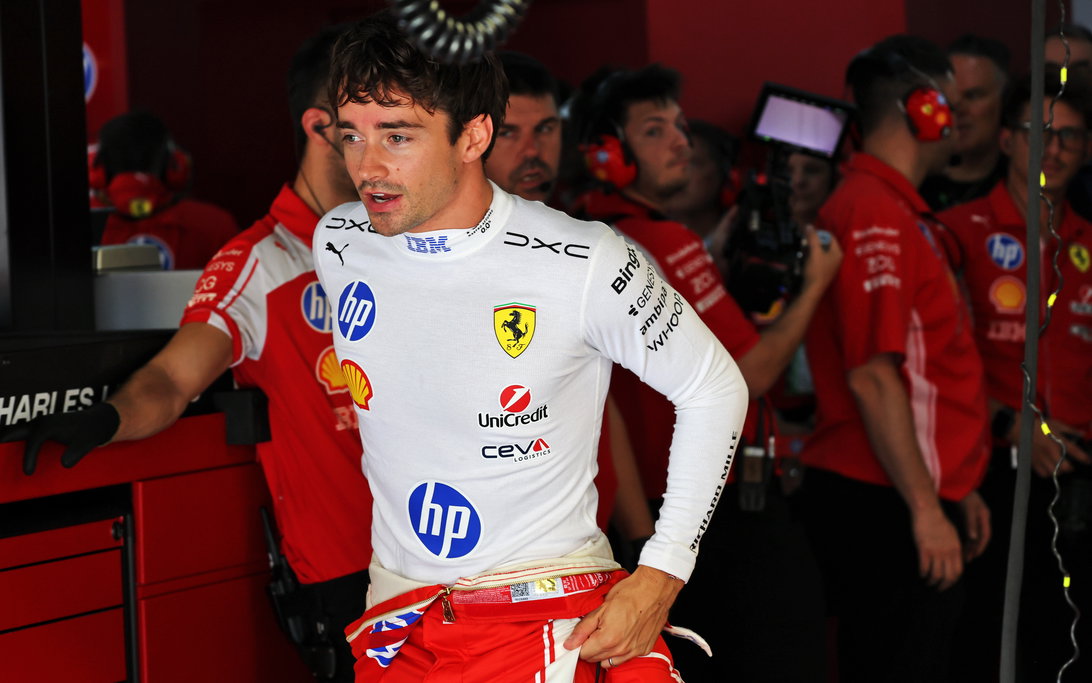
Charles Leclerc sets the FP2 benchmark in Austin with a 1:35.291, leading the second hour of Friday running at COTA. The Ferrari driver shapes the early competitive order.
His advantage over Mercedes rookie Kimi Antonelli is just 0.042s, underlining a condensed pack. The margins amplify the value of every run plan choice in the second free practice session.

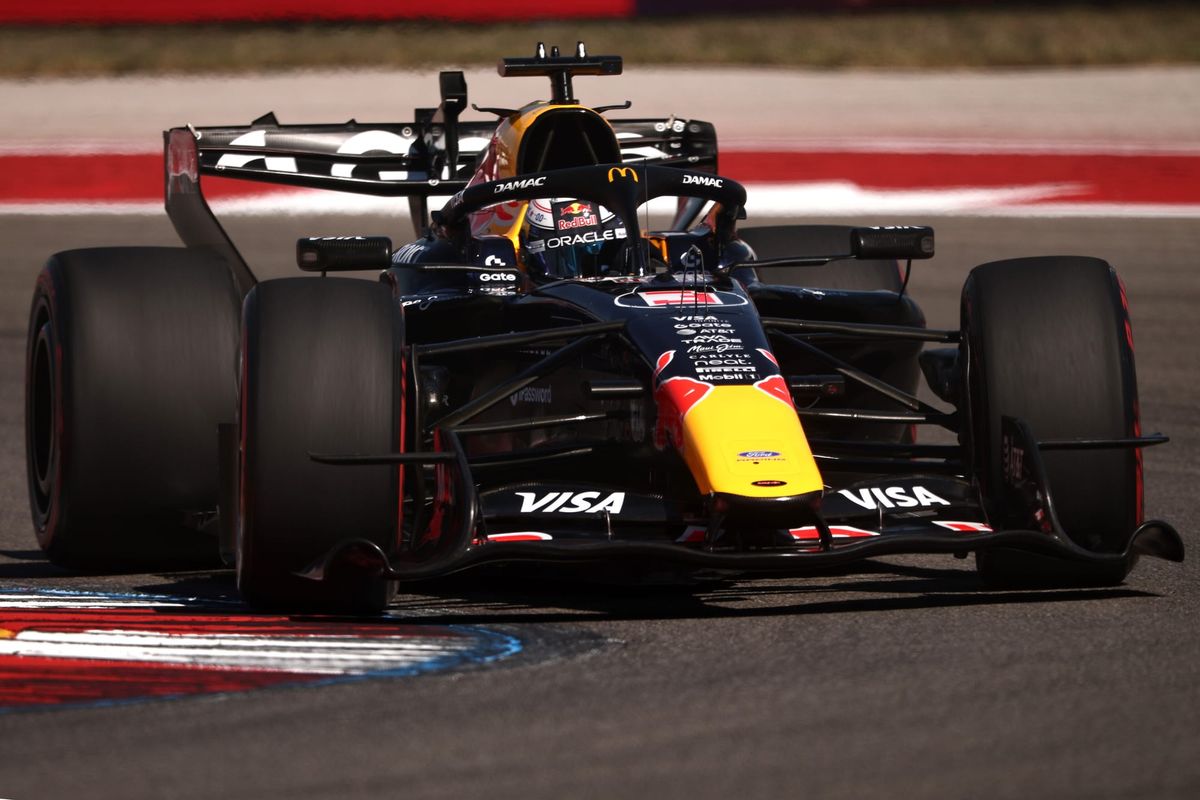
Max Verstappen sits third, 0.189s down. Red Bull looks within striking range, though Ferrari appears tidier on low-fuel laps, with unknowns on fuel loads and power unit modes.
Lewis Hamilton ends fourth for Ferrari, six-tenths off his teammate. The gap hints at divergent programs, with Hamilton likely prioritizing long-run consistency over peak one-lap pace.
Leclerc’s 1:35.291 puts Ferrari on top of FP2 at COTA.
The one-hour session emphasizes setup refinement and correlation work. Teams split time between soft-tyre quali simulations and longer stints, firming up baselines for a full practice day overview.
Tyre degradation and wind sensitivity remain central at the Circuit of the Americas. Managing bumps, traction zones, and rear stability through the esses defines how race pace evolves.
Antonelli is only 0.042s behind Leclerc, with Verstappen at +0.189s.
Ferrari’s headline speed positions Leclerc as provisional favourite for qualifying. Hamilton’s experience gives Ferrari flexibility on strategy, particularly if track evolution accelerates into Saturday.
Mercedes emerges encouraged by Antonelli’s single-lap execution. The rookie’s adaptability through COTA’s high-speed direction changes suggests more to come as ride heights and diff settings converge.
FP2 runs mix quali sims with long stints, crucial for tyre-life modelling.
Red Bull’s balance window appears narrower, but Verstappen’s baseline remains strong. If the team unlocks better rotation in the middle sector, qualifying could swing decisively.
The anticipated battle between Leclerc, Antonelli, and Verstappen will likely hinge on track evolution and out-lap prep. Any slip in tyre warm-up could decide grid positions for the Grand Prix itself.
FP2 data now feeds into overnight simulations. With small gaps at the front, marginal gains in rear stability and energy deployment may dictate Saturday’s pecking order.
Visual Summary
16
Leclerc
1:35.291
04
Antonelli
+0.042
33
Verstappen
+0.189
44
Hamilton
+0.610
Milliseconds = Magic
Tension Level
Leclerc, Antonelli & Verstappen
are neck and neck.
are neck and neck.
The Chase Is On 🚀
Leclerc leads, but every millisecond counts.
Antonelli is right behind. Verstappen won’t give up.
Rivalry ignited in Austin.
Antonelli is right behind. Verstappen won’t give up.
Rivalry ignited in Austin.
FP2 finished: Leclerc fastest, by a whisker.

Daniel Miller reports on Formula 1 Grand Prix weekends with race-day analysis, team-radio highlights, and point-standings updates. He explains power-unit upgrades, aerodynamic developments, and driver rivalries in straightforward, SEO-friendly language for a global F1 audience.