

https://shop.fervogear.com/cart


Essential Checks Before Putting On Your Racing Fire Suit
Key steps every racing driver should follow before wearing their fire suit for safety and comfort.

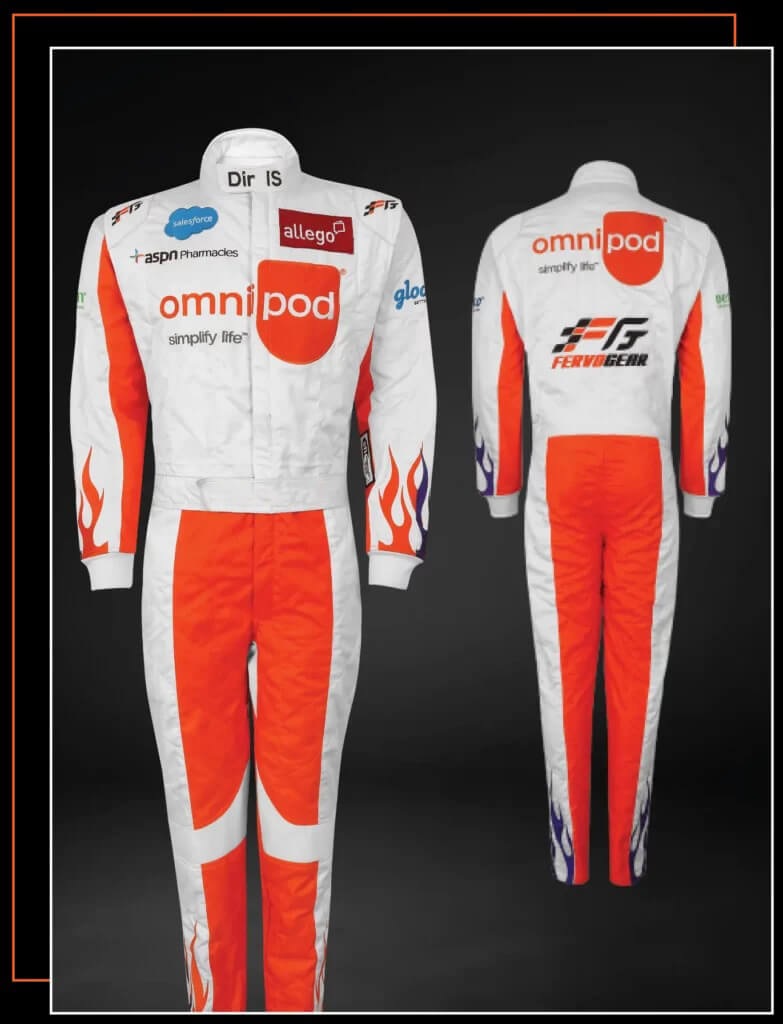
For any racing driver, the fire suit is a critical piece of safety equipment that protects against heat and flames in the unlikely event of a fire. Before you put on your suit, a thorough pre-use inspection and preparation can make a significant difference in your safety and comfort while on the track. Here we discuss what you should check and why, helping you stay confident and compliant with racing safety standards.
1. Confirm Suit Condition and Integrity
Before wearing your fire suit, check its overall condition carefully. Look for any signs of damage such as:

- Fabric tears or worn spots: Small holes or thinning material can compromise protection.
- Seams and stitching: Inspect that all seams are intact and not unraveling.
- Stains or contaminants: Avoid suits with chemical or oil stains as some substances may affect fire resistance.
If you find any damage, do not use the suit until it has been professionally evaluated by a qualified specialist or replaced. Damage can reduce the effective fire protection the suit provides.
2. Verify Suit Certification and Compliance
Racing fire suits are typically certified to standards set by motorsport authorities such as FIA or SFI. Before racing, ensure your suit meets the regulations applicable for your category and event. Suit labels usually indicate compliance with standards like:
– FIA 8856-2000 or later
– SFI 3.2A/5 or SFI 3.2A/1
Because standards can update or vary by league, always double-check the current rules in your series’ rulebook or event regulations. Wearing an uncertified or expired fire suit might jeopardize your eligibility and safety.
3. Check Fit and Comfort
A proper fit is essential for both protection and comfort. When donning your suit, consider these points:
- The suit should fit snugly but allow free movement in your driving position.
- Check that sleeves and pant legs reach your wrists and ankles, especially with gloves and racing shoes on.
- Ensure the collar closes comfortably around your neck without chafing.
- Try sitting in your racing seat with the suit on to assess fit under actual driving conditions.
Ill-fitting suits might not cover critical body areas when you’re seated or bent, reducing safety performance.
4. Inspect Zippers, Velcro, and Closures
The effectiveness of protective gear relies on secure closures that won’t come undone during a race. Examine the following before putting on your suit:
- Test all zippers to confirm they open and close smoothly.
- Inspect Velcro strips for wear; ensure they fasten securely.
- Verify snaps or buttons are functional and undamaged.
These closures should be fully secured with nothing left undone once the suit is on. Loose or malfunctioning fasteners may reduce protection.
5. Layering and Under Garments
Fire suits are designed to be worn over specific fire-resistant undergarments including:
- Long-sleeve fireproof underwear
- Balaclavas
- Socks and gloves rated for motorsport use
Before putting on your fire suit, confirm your under layers are clean and undamaged. These layers form part of your overall protection system.
6. Belt Placement and Suit Adjustments
If your suit has a built-in belt or cinches, ensure it is adjusted properly. The belt should be snug but not constrictive, helping keep the suit in place during racing movements.
Adjust straps at cuffs or ankles for a secure seal that reduces air gaps without preventing circulation.
7. Cleanliness and Maintenance Check
A clean suit maintains its fire resistance better than a dirty or contaminated one. Before race day:
- Check your suit’s care label and clean it according to manufacturer guidelines.
- Avoid using detergents or fabric softeners not approved for fire suits.
- Air the suit fully after cleaning and before storing to prevent odor buildup or mildew.
FervoGear recommends setting a routine to inspect and maintain your racing gear regularly for optimal performance.
8. Final Safety and Practical Checklist Before Wearing
To summarize, before putting on your fire suit, run through this checklist:
- Confirm the suit is free of damage and fully intact.
- Verify certification labels for your racing series compliance.
- Ensure proper fit with racing undergarments and gear.
- Test all closures for functionality.
- Make sure the suit is clean and non-contaminated.
- Adjust belts, cuffs, and ankles for comfort and closure.
Conclusion
Safety in motorsports starts with preparedness. Checking your fire suit thoroughly before every race helps preserve its protective qualities and ensures you remain comfortable behind the wheel. While FervoGear offers top-quality racing apparel, remember that responsible use, routine inspection, and adherence to standards are crucial. Always consult your governing body’s rulebook and manufacturer care instructions for the best practices on race suit use and maintenance.
By adopting these habits, you enhance your safety and peace of mind every time you hit the track.