https://shop.fervogear.com/cart

Lewis Hamilton and Max Verstappen Reveal Exciting F1 Future Plans

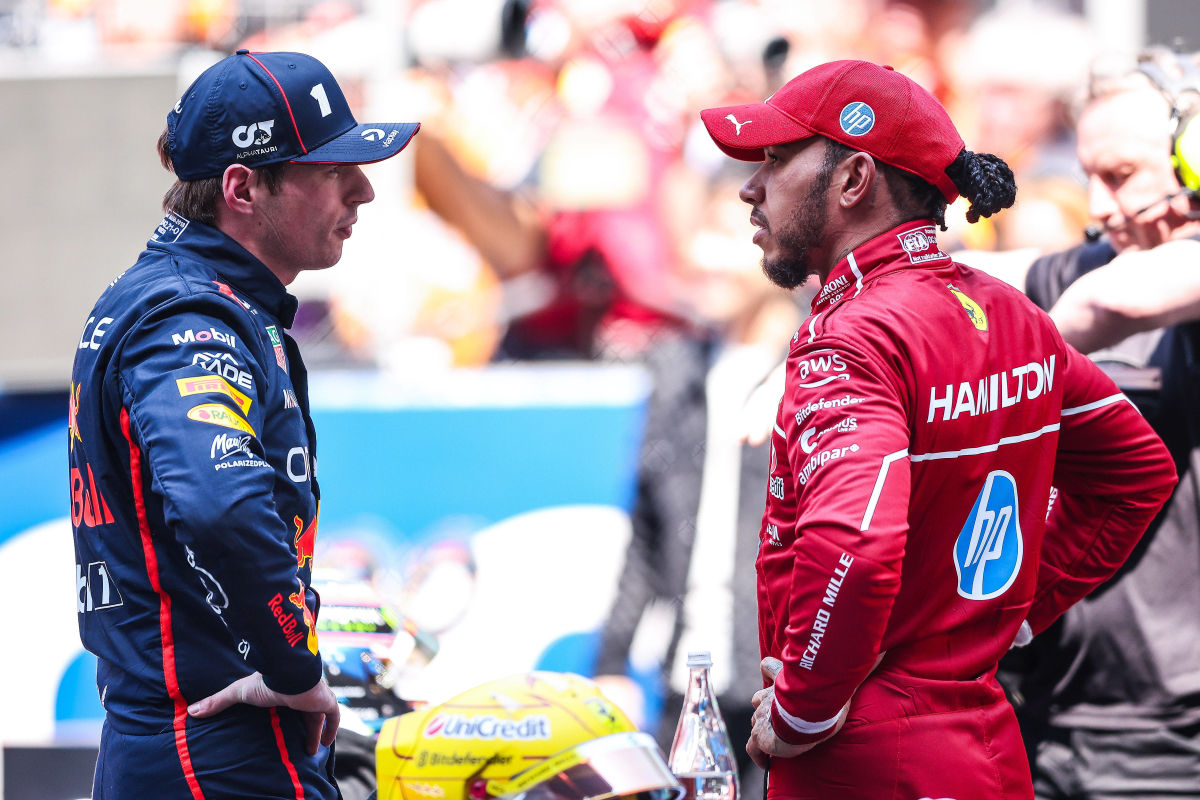
Highlights
- Hamilton and Verstappen discuss futures ahead of Canadian Grand Prix.
- Formula 1 to introduce 60/40 power unit power delivery split.
- Verstappen supports new regulations; Alonso criticizes engine changes.
- Mercedes plans major upgrades for 2026 season amid weak start.
- Russell states no pressure to outperform teammate Kimi Antonelli.
- 2026 calendar includes Canada, Monaco, Barcelona, Austria race events.
Lewis Hamilton and Max Verstappen outline their Formula 1 futures during Montreal’s Canadian Grand Prix media day, addressing career trajectories amid looming 2026 regulations and an evolving competitive landscape.
Both stress commitment while weighing long-term goals. Verstappen references recent comments that frame his pathway beyond 2026, expanding on that stance in an F1 future update.

The regulatory headline is power-unit delivery. From 2026, Formula 1 targets a 60/40 split, reshaping energy deployment, drivability, and competitive emphasis between internal combustion and hybrid systems.
Verstappen supports the direction, arguing a clearer balance could promote closer racing and reward efficient deployment strategies across stints and circuits.
Fernando Alonso is openly critical, warning of performance compromises and inconsistent characteristics. His position underscores ongoing debate about the engine direction for 2027 and beyond.
F1 targets a 60/40 power delivery split from 2026.
Mercedes enters Montreal under scrutiny, preparing its first significant steps toward a 2026-spec concept. The aim is to close execution gaps to Red Bull and Ferrari through coherent development.
George Russell downplays internal pressure against Kimi Antonelli, framing progress around correlation, upgrades, and teamwork rather than intra-garage point-scoring.
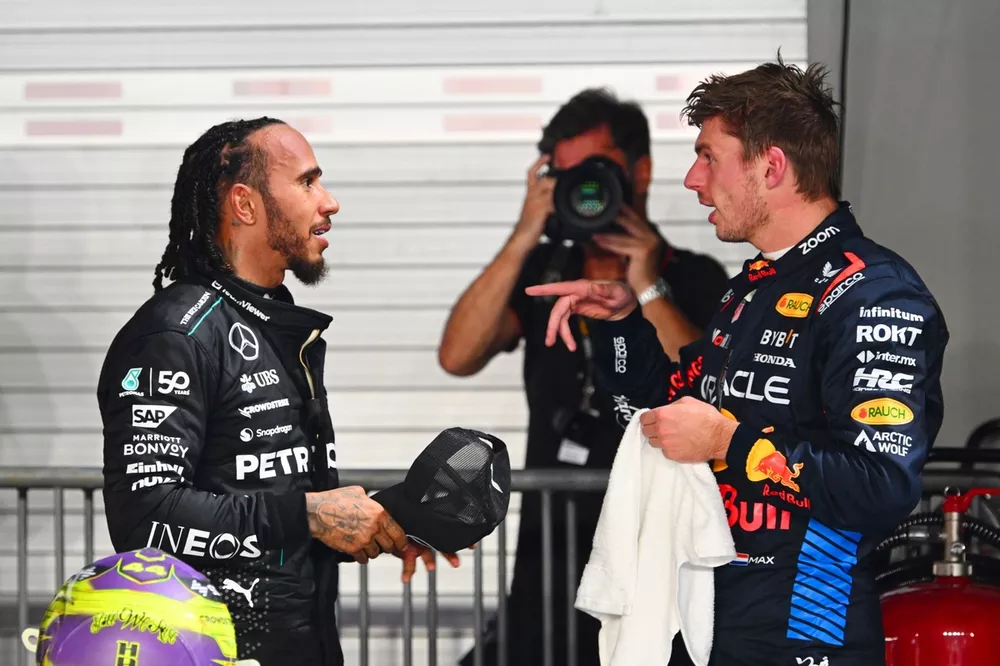
Russell: “No pressure to outperform Kimi Antonelli.”
Hamilton remains forthright about expectations and longevity, addressing recent retirement critics while reiterating motivation to compete at the front as regulations reset competitive baselines.
Preparation for Canada blends setup trade-offs with long-term planning. Mercedes emphasizes process, including simulator work, to stabilise performance trends and inform future architecture choices.
Calendar mainstays like Canada, Monaco, Barcelona, and Austria remain key reference points. Teams model 2026 energy management and packaging needs around those contrasting demands.
Alonso warns new rules could hurt drivability and performance.
The 60/40 split will sharpen software, braking-by-wire calibration, and traction strategies. Expect divergence in chassis concepts as manufacturers chase efficient harvesting and deployment windows.
Montreal therefore offers useful signals. Driver sentiment, early development choices, and reliability priorities will indicate who adapts fastest as Formula 1 transitions toward its next era.
Visual Summary
2026
Power Split
⚡
⚡
FUTURE
Power Units (from 2026)
60%
⚡
⚡
40%
?
?
Electric / Combustion
“It could make racing better and more exciting.”
— Verstappen
— Verstappen
“Not happy with this direction. It could hurt performance.”
— Alonso
— Alonso
“I’m not done yet. I belong at the top.”
— Hamilton
— Hamilton
The Road Ahead…
??Canada
??Monaco
??Spain
??Austria
2026 Calendar: New rules, new power, new battles.

Daniel Miller reports on Formula 1 Grand Prix weekends with race-day analysis, team-radio highlights, and point-standings updates. He explains power-unit upgrades, aerodynamic developments, and driver rivalries in straightforward, SEO-friendly language for a global F1 audience.