https://shop.fervogear.com/cart

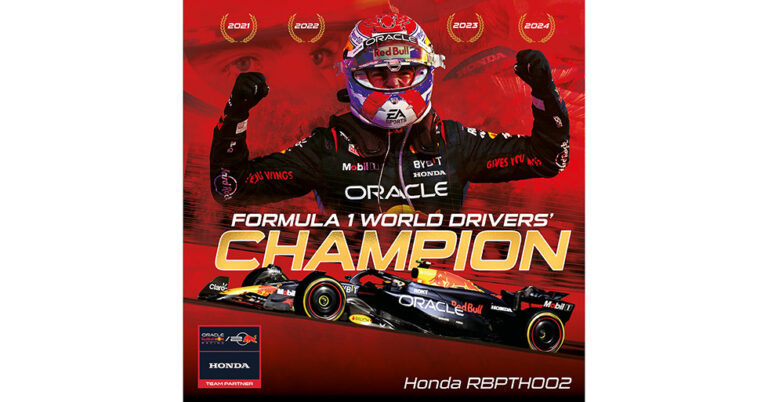
Verstappen Confident 2027 Engine Plan Will Secure His F1 Future

Highlights
- Verstappen may continue F1 if 2027 engine rules are adopted.
- 2026 engine rules split power between combustion and electric equally.
- FIA proposes 60-40 power split for 2027 engine regulations.
- Verstappen calls 2027 changes “minimum” needed to stay in F1.
- Some manufacturers may resist rolling back current 2026 engine rules.
- Approval delays expected due to political and manufacturer disagreements.
Max Verstappen signals he will likely continue in Formula 1 next season if revised 2027 power‑unit rules are adopted, sharpening focus on his F1 challenge under the 2026 regulations.
The FIA proposal targets a 60% combustion, 40% electric split, rolling back the near 50/50 configuration that defined the 2026 power units.

Verstappen describes the direction as positive and calls it the minimum required to keep him engaged, believing it will improve drivability and race credibility.
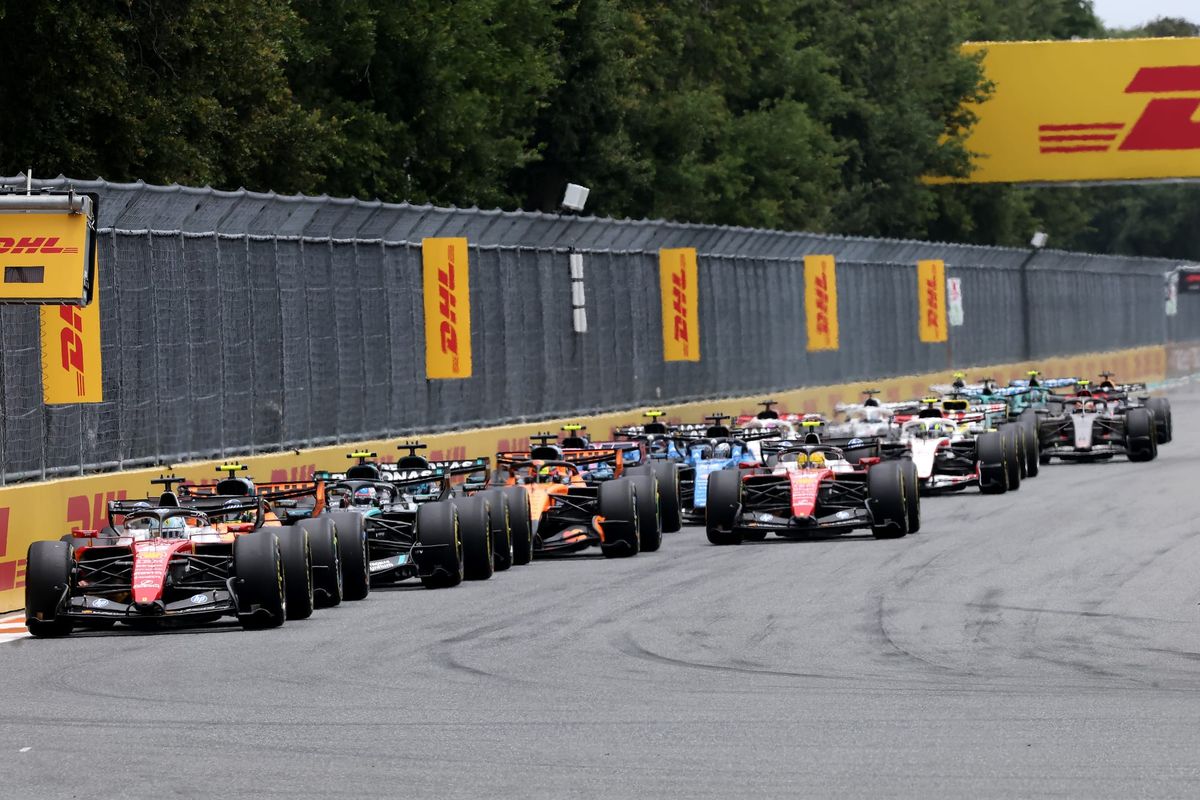
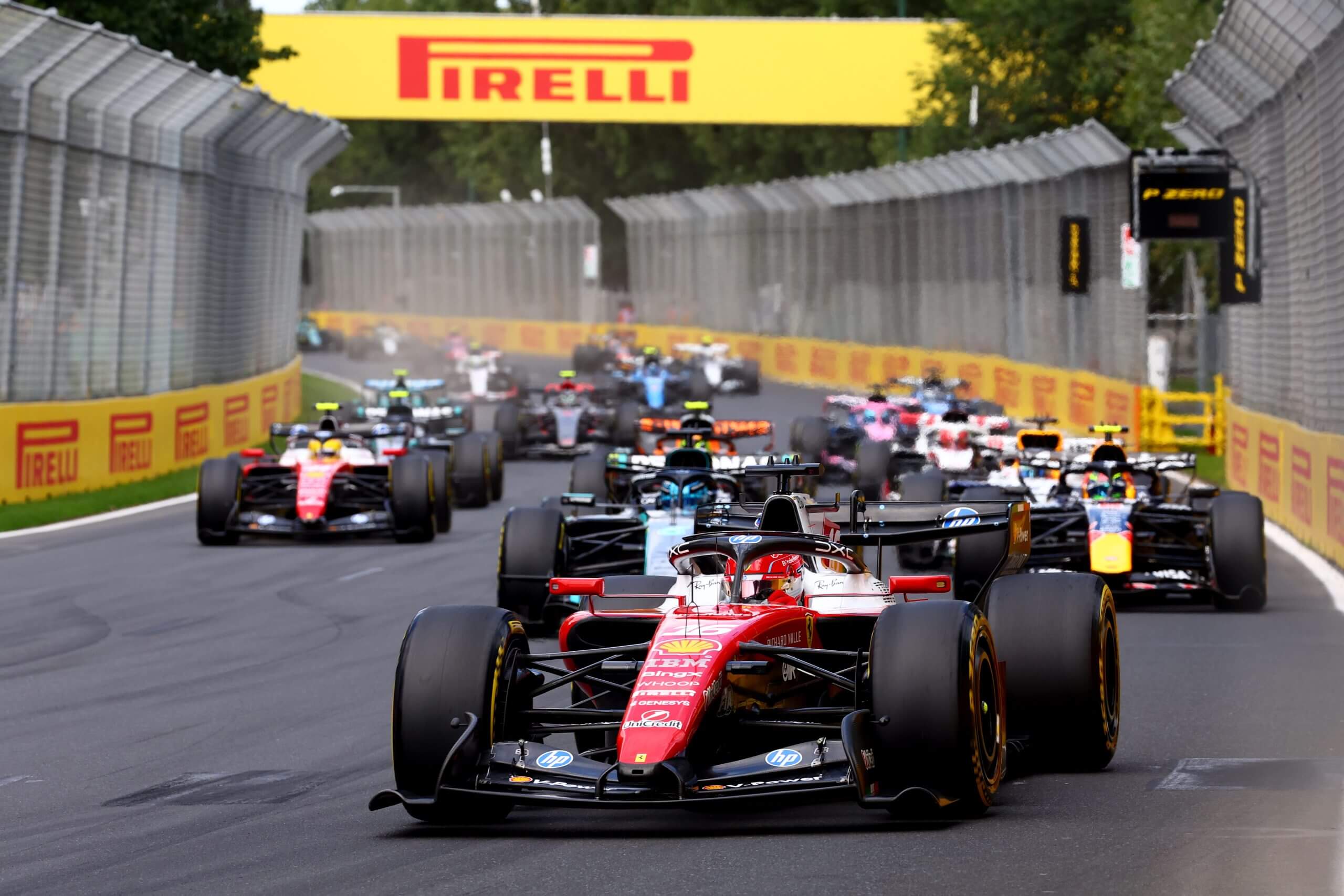
Under the 2026 rules, teams manage battery deployment aggressively, often driving to energy targets rather than outright pace, which alters race dynamics and driver approach.
His dissatisfaction peaked after Japan, though minor Miami tweaks eased extremes. The FIA then signalled agreement in principle to revisit the framework for 2027 amid an evolving rule debate.
“The minimum I was hoping for” — Verstappen’s benchmark for the 2027 package.
Planned adjustments raise fuel flow and trim electric output, especially in qualifying, pushing a 60/40 split and enlarging usable battery capacity, as outlined in FIA engine changes.
Verstappen links his commitment to the quality of racing. He argues the proposal restores a more traditional throttle‑to‑lap‑time relationship and reduces the need to recharge aggressively.
Manufacturers that committed resources to the 2026 package could resist changes, complicating timelines and exposing political fault lines within Formula 1’s governance.
Officials anticipate manufacturer pushback given the investment sunk into the 2026 architecture.
Carlos Sainz, representing the GPDA, supports the direction but warns that differing manufacturer objectives could slow approval despite broad intent to adjust the formula.
Verstappen reiterated the changes “definitely need to happen,” framing them as the threshold for his continued participation alongside Red Bull’s competitive momentum.
“That definitely needs to happen.” — Verstappen on the 2027 proposal.
The decision also intersects with market dynamics, as any uncertainty over his future influences Red Bull’s planning and potential replacement scenarios.
For now, Verstappen remains cautiously optimistic, while stakeholders work toward a package that balances sustainability, manufacturer investment, and sporting integrity.
The next months will determine whether a 2027 recalibration delivers a more engaging product and resolves the tensions triggered by 2026’s battery‑dependent deployment model.
Visual Summary
IC
Internal Combustion
60%
?
?️
EV
Electric Power
40%
?
“Definitely heading into a very positive direction.”
– Max Verstappen
If 2027 rules are adopted, Verstappen says he’s likely to stay in F1.
2027 will decide Max’s future – and F1’s balance.
Engine politics tension
High
Manufacturer pushback expected.
F1’s direction hangs in the balance.
F1’s direction hangs in the balance.

Daniel Miller reports on Formula 1 Grand Prix weekends with race-day analysis, team-radio highlights, and point-standings updates. He explains power-unit upgrades, aerodynamic developments, and driver rivalries in straightforward, SEO-friendly language for a global F1 audience.