https://shop.fervogear.com/cart

Max Verstappen Reveals F1 Future After FIA’s Big Rule Change

Highlights
- FIA adjusts 2026 power unit split to 60% combustion, 40% electric
- Verstappen welcomes changes, boosting desire to race beyond 2026 season
- Driver says updates improve technical aspects and overall race spectacle
- Verstappen links future in F1 to quality of sport product
- Recent rule changes began before this year’s Miami Grand Prix
- Verstappen remains positive but hasn’t confirmed 2027 F1 participation
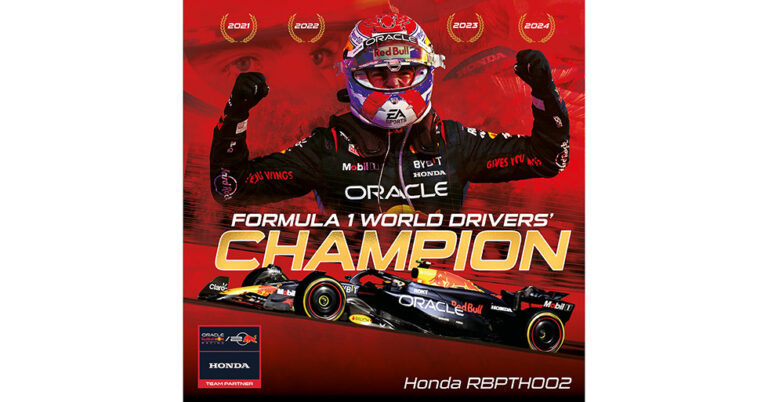
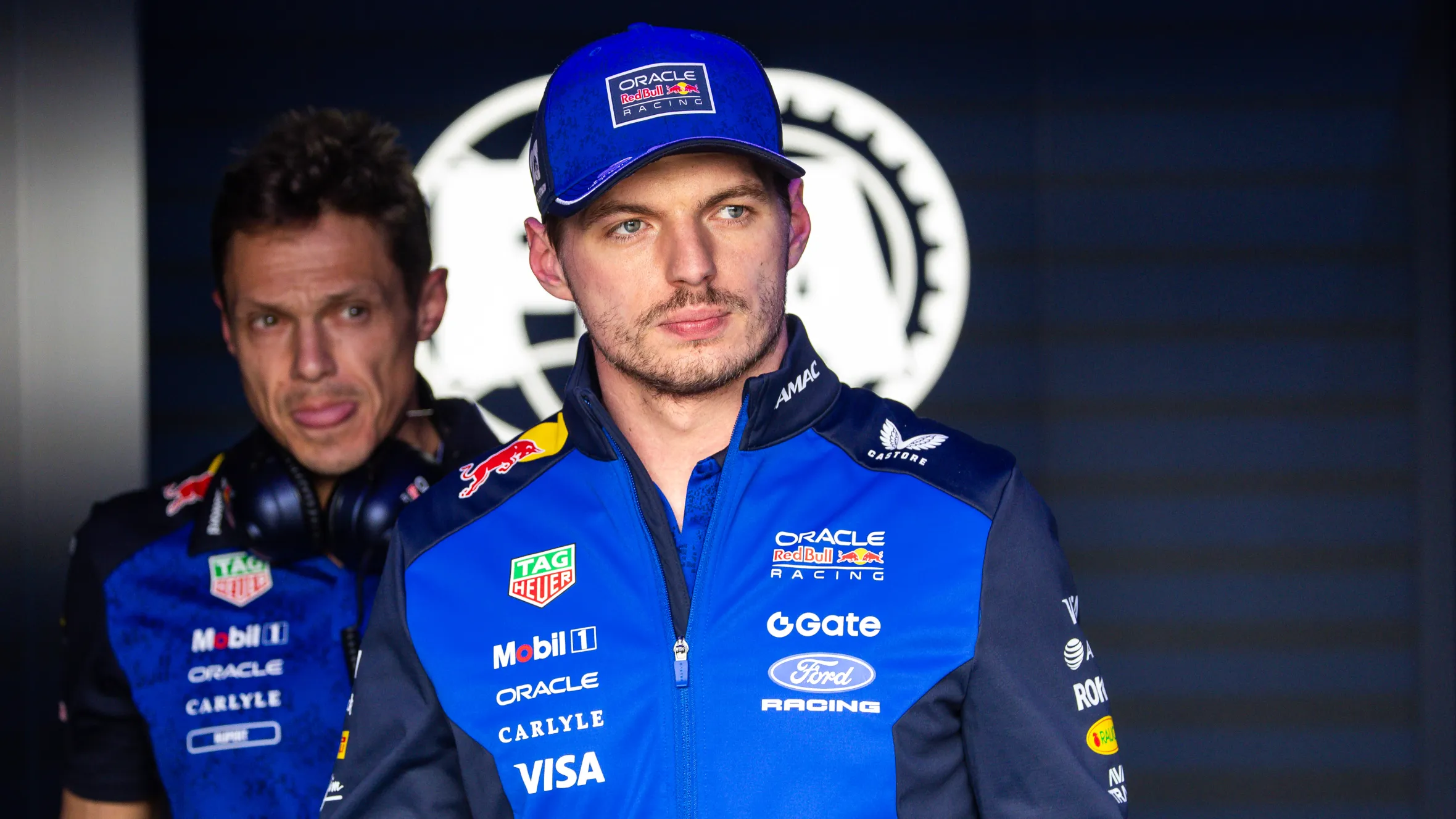
Max Verstappen says the FIA’s 2026 power-unit revisions strengthen his desire to remain in Formula 1 beyond 2026, speaking in Montreal during the Canadian Grand Prix weekend.
The governing body plans a 60% internal combustion and 40% electric energy split, replacing the originally targeted 50/50 balance for the next-generation hybrid era.

Verstappen had criticised the initial concept and pushed for changes to the technical regulations, arguing the formula must prioritise raceability and credible performance characteristics.
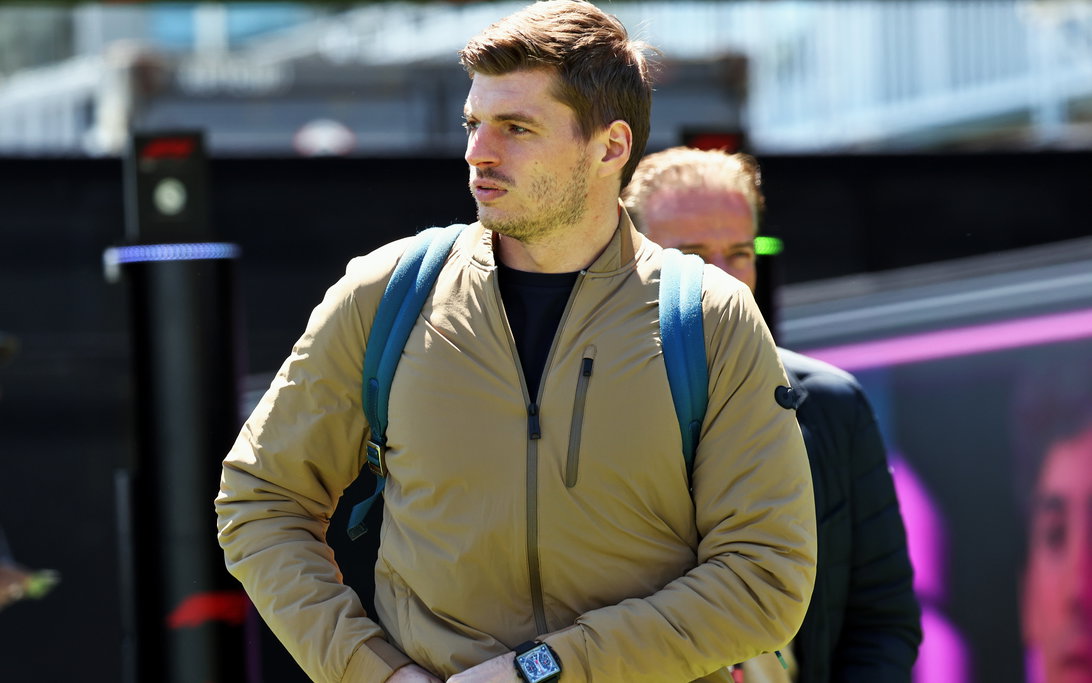
He describes the new direction as the minimum acceptable outcome, and one that better aligns with Formula 1’s competitive needs and fan-facing spectacle.
Asked whether this influences his 2027 decision, Verstappen indicates it does, while stopping short of a commitment. He frames his future around the quality of the racing product.
Verstappen says the 60/40 split is “the right direction,” lifting his appetite to race beyond 2026.
He stresses enjoyment comes from the sport’s health rather than car dominance, noting his motivation rises when regulations promise engaging, sustainable competition.
“My enjoyment depends on the sport’s quality, not just the car I’m driving,” Verstappen explains.
Early-season tweaks already arrived before the Miami Grand Prix, but these proposals go further by defining the power strategy that teams will design around from 2025 development phases.
Fresh from a Nürburgring 24 Hours outing, Verstappen says endurance lessons reinforce his emphasis on drivability and race management, factors he believes the updated rules will support.
The FIA’s shift also reflects feedback loops between stakeholders and drivers. Verstappen’s stance underscores the growing role of drivers in shaping the sport’s direction, echoing themes in recent governance discussions.
While optimistic, Verstappen declines to confirm next season’s participation, reiterating that tangible progress will determine his call on the 2027 season.
He believes the updates are “almost bringing the sport back to its best,” signalling confidence without a firm 2027 commitment.
His remarks land as teams evaluate concept trade-offs for 2026 powertrains and chassis, with competitive order likely hinging on integration between combustion efficiency and electrical deployment.
Fans and teams now await final wording and validation testing, with the new split intended to deliver faster straights, reliable energy recovery, and overtaking chances without artificial compromises.
“`html
Visual Summary
Power Shift Reshapes F1’s Future
60%
ICE
ICE
40%
Electric
Electric
Verstappen Sees F1’s 2026 Engine Rules “Moving In The Right Direction”
??
Max Verstappen says FIA’s changes revive
his passion for racing into 2027 ⛽⚡
his passion for racing into 2027 ⛽⚡
“
This is the minimum I wanted. The sport feels right again.
Now, I want to stay.
”
?
This is the minimum I wanted. The sport feels right again.
Now, I want to stay.
”
?
Old Plan:
50% / 50%
50% / 50%
2026 Onwards:
60% ICE
40% Electric
60% ICE
40% Electric
A new balance of power brings Verstappen
back on track for F1’s future.
back on track for F1’s future.
Fans and drivers alike look forward as
regulations reshape the grid
— and driver ambitions.
regulations reshape the grid
— and driver ambitions.
“`

Daniel Miller reports on Formula 1 Grand Prix weekends with race-day analysis, team-radio highlights, and point-standings updates. He explains power-unit upgrades, aerodynamic developments, and driver rivalries in straightforward, SEO-friendly language for a global F1 audience.