https://shop.fervogear.com/cart

Williams’ Headhunting Moves Prove Vowles Is Taking Charge

Highlights
- Williams hired Piers Thynne from McLaren as Chief Optimisation Officer.
- Williams struggled early 2026 with FW48 car’s late, heavy arrival.
- Claire Simpson and Fred Judd joined from Mercedes in key roles.
- Steve Booth came from Alpine to lead Vehicle Engineering.
- Team aims to improve pace, reliability, and shorten idea-to-track time.
- Williams plans further hires to strengthen design and aerodynamic departments.
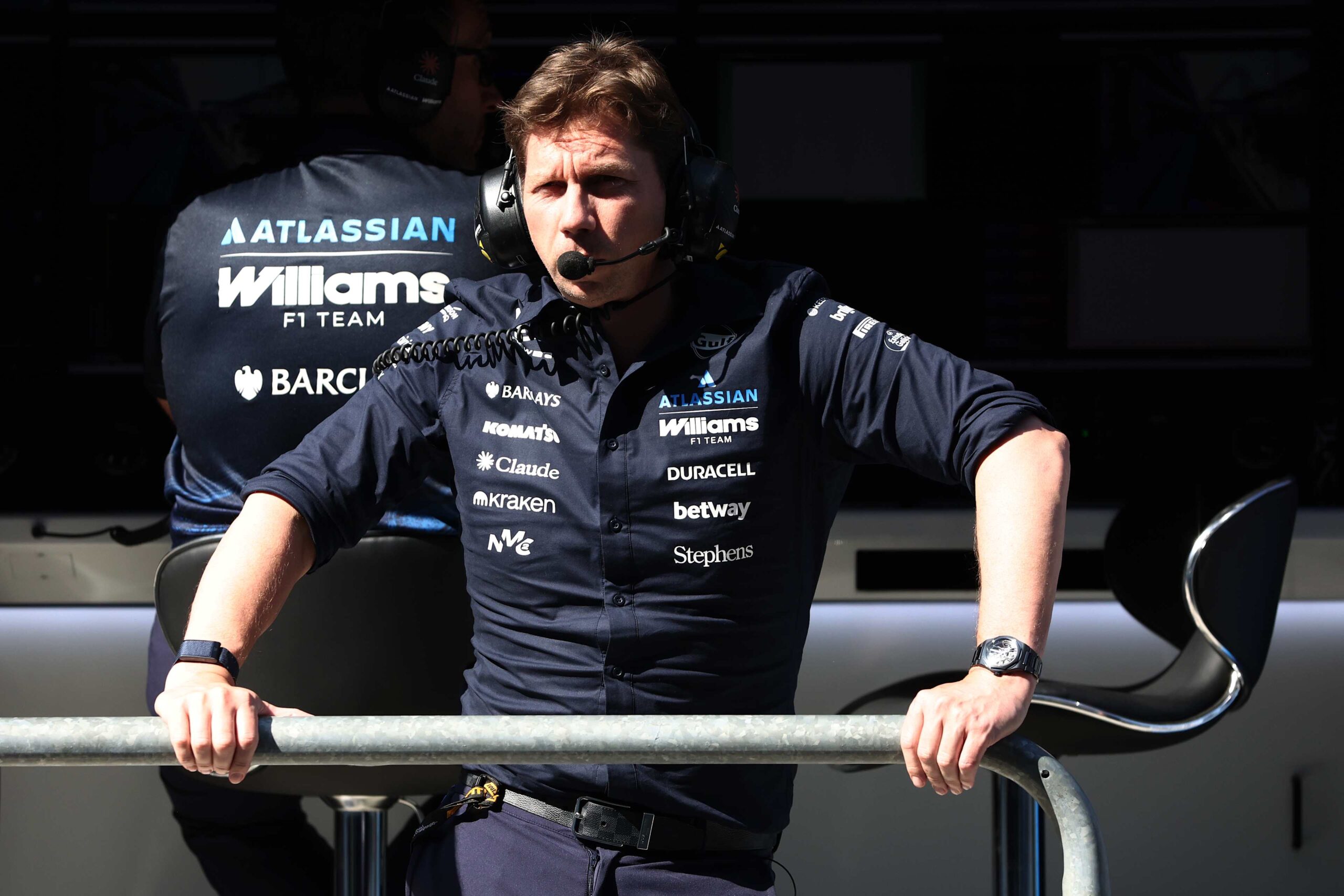
Williams team principal James Vowles signals a decisive reset, unveiling senior hires from rivals, led by McLaren’s Piers Thynne, to accelerate operations and recover from a bruising 2026 start.
Thynne becomes Chief Optimisation and Planning Officer, a role created to tighten processes after the FW48 arrived late and overweight, undermining momentum from last season’s fifth-place championship finish.

Vowles admits winter missteps and moves quickly to plug structural gaps, consistent with his candid winter reflections on decision-making and accountability.
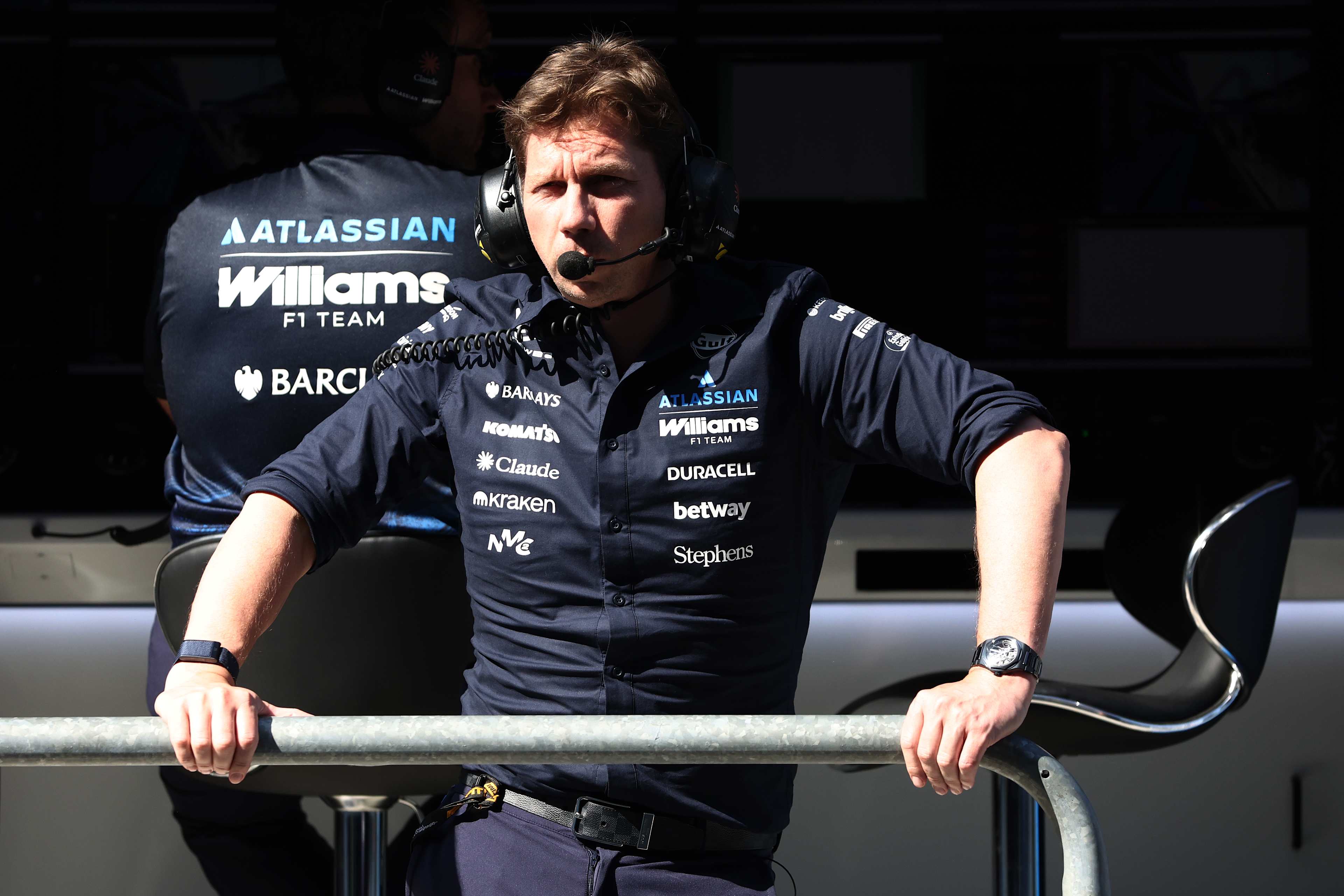
Thynne spent 18 years at McLaren, serving as Chief Operating Officer until January 2026, credited with sharpening production flow, configuration control, and turnaround discipline during the team’s competitive resurgence.
“Shortening the time from idea to track” is the project’s headline objective, says Vowles.
Williams expects that expertise to compress design and manufacturing lead times, raise build quality, and cut rework. The family link to former Williams figure Sheridan Thynne adds symmetry.
Three further arrivals deepen capability. Claire Simpson becomes Head of Aerodynamic Development, Fred Judd leads Performance Optimisation, and Steve Booth heads Vehicle Engineering after switching from Alpine.
These appointments match Vowles’ public intent to change how Williams works, not just what it builds, underlined in the team’s announcement of four key signings.
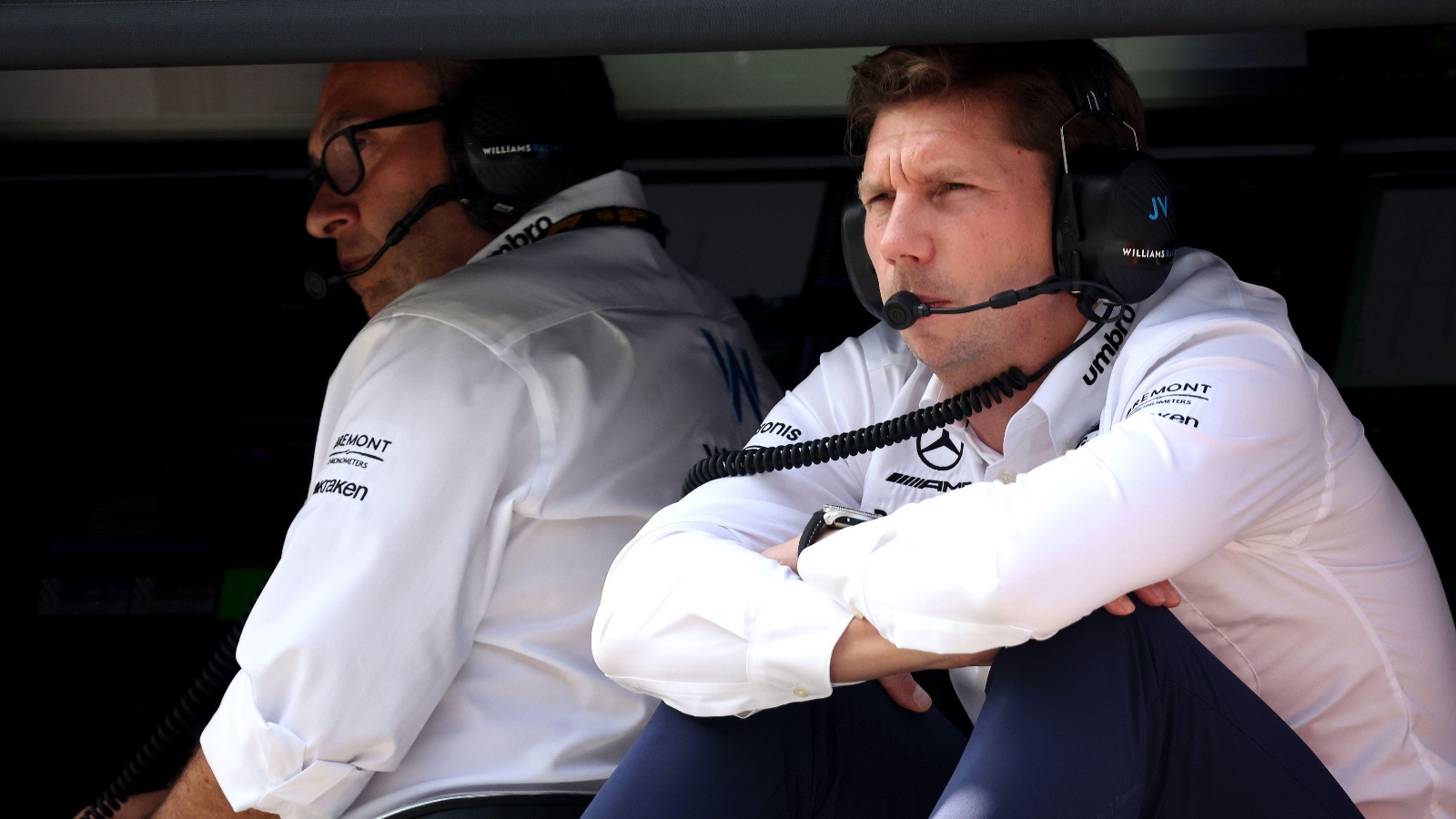
Vowles frames the goal simply: “This is not about just fixing the car’s weight or timing. It’s about bringing a championship-level approach and turning concepts into track performance faster.”
Vowles insists this is “not the Williams of old” after a difficult winter and early setbacks.
Early signs have improved. Montreal produced a Q3 appearance, but drivers Carlos Sainz and Alex Albon want reliable, repeatable gains that move the FW48 into the heart of the midfield.
The technical priority is shortening cycle time from concept to validation. Under the cost cap and Aerodynamic Testing Restrictions, that means rigorous prioritisation, clear ownership, and predictable manufacturing throughput.
Thynne’s arrival, detailed in the team’s own operational leadership update, should target bottlenecks that delayed the FW48 and inflated weight through late changes and compressed sign-off.
Williams plans additional hires this season to reinforce design, aerodynamics, and operations.
These moves also reflect lessons from Williams’ uneven start, explored in an analysis of the team’s 2026 struggles, and Vowles’ earlier evaluation of structures and processes.
Relationship management remains important. Mercedes supplies power units, yet Toto Wolff accepts the competitive reality as Vowles pursues independence in recruitment while keeping dialogue open.
Further hires are expected across design, aerodynamics, and operations before season’s end. The objective is a balanced organisation capable of sustaining upgrades and reliability improvements without destabilising the race team.
Visual Summary
⚡
⚡
⚡
⚡
⚡
⚡
⚡
Williams Hits the
Talent Power-Up
Talent Power-Up
Four championship-proven veterans supercharge the team’s rebuild after a rough start to 2026.
A new era is loading…
A new era is loading…
?️
Piers Thynne
Chief Optimisation & Planning
(ex-McLaren)
(ex-McLaren)
Efficiency Guru
?️
Claire Simpson
Aero Development
(ex-Mercedes)
(ex-Mercedes)
Aero Visionary
?
Fred Judd
Performance Optimiser
(ex-Mercedes)
(ex-Mercedes)
Reliability Brain
?
Steve Booth
Vehicle Engineering
(ex-Alpine)
(ex-Alpine)
Builds Speed
From Delay & Heavy Car ➔ Rapid Rebuild
“This is not the Williams of old.”
Serious hires, serious ambition.
Now aiming beyond survival – to resurgence.
Serious hires, serious ambition.
Now aiming beyond survival – to resurgence.

Daniel Miller reports on Formula 1 Grand Prix weekends with race-day analysis, team-radio highlights, and point-standings updates. He explains power-unit upgrades, aerodynamic developments, and driver rivalries in straightforward, SEO-friendly language for a global F1 audience.