https://shop.fervogear.com/cart

Why the FIA Silently Dropped the Monaco GP Rule Change

Highlights
- FIA removed the two-pit stop rule for Monaco Grand Prix 2024
- Rule introduced last season aimed to create more race excitement
- Teams manipulated strategies, limiting the rule’s effectiveness in racing
- George Russell accepted penalties to improve race position tactically
- 2026 car changes may allow closer racing and more overtaking
The FIA has dropped Monaco’s mandatory two-stop rule, reversing a short-lived experiment designed to enliven the principality’s processional racing.
The mandate intended to force strategy divergence over 78 laps, but teams quickly contained its effect and shaped races to plan.
Qualifying remains decisive in Monte Carlo, and the rule failed to shift that balance. The expected variation in tyre usage never materialised.
FIA scraps Monaco’s two-stop mandate after teams neutralize its impact within a single season.
The outcome underlines ongoing F1 rule change uncertainty as the sport trials narrow fixes for venue-specific issues.
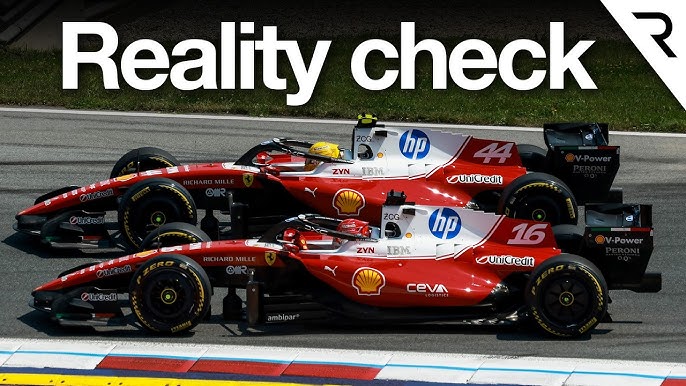
Racing Bulls exemplified the limitations. It deployed its pair tactically to shield the lead car’s plan, with Isack Hadjar sixth and Liam Lawson eighth.
George Russell also exposed the rule’s loopholes. He cut the Nouvelle Chicane to pass Alex Albon, taking a five-second penalty for a net gain.
On-track tactics and calculated penalties proved more potent than enforced stops in shaping Monaco strategy.
The FIA credits the attempt to add jeopardy yet acted early to prevent entrenched gaming of the regulation.
By withdrawing the rule, Monaco reverts to conventional strategy, emphasising track position, undercuts, and opportunistic Safety Car timing.
The move sits alongside parallel governance debates involving teams and officials over format and spectacle across the calendar.
Those discussions, including recent commission talks, reflect a broader push-pull between purity and entertainment. See the latest backdrop from FIA–F1 teams debate.
Traditional Monaco priorities return: qualify up front, manage pace, and seize rare track-position opportunities.
Attention now turns to 2026, when lighter, more agile cars could reduce wake effects and help following performance.
If that delivers, Sainte Devote and the post-tunnel chicane may become more viable passing spots, though gains will be incremental.
Any improvement must also dovetail with operational decisions specific to Monaco. Safety and race control calls remain pivotal here.
That context aligns with recent Monaco GP safety decisions, which shape race rhythm and pit windows.
Fans and teams already have one eye on next season’s visit. The confirmed dates are outlined in the 2026 Monaco GP schedule.
Ultimately, the FIA’s rollback shows a willingness to test, measure, and discard changes that miss their target, while preserving each venue’s character.
Monaco’s challenge endures: engineering opportunity on a circuit where precision, patience, and track position still decide the outcome.
Visual Summary
?
❌
2x
?
MANDATORY
?
MANDATORY
PIT STOPS
FIA DROPS
MANDATORY 2-STOP RULE
The Monaco GP returns to classic strategy—tactics over forced pit stops.
MANDATORY 2-STOP RULE
The Monaco GP returns to classic strategy—tactics over forced pit stops.
???
Processional past
→
More freedom for teams, renewed focus on driver skill and timing.
Will new 2026 cars bring real overtakes? ?️?
F1 rule experiments aren’t always permanent.
Monaco’s unique chess match continues—minus the forced stops.
Monaco’s unique chess match continues—minus the forced stops.

James William covers the IMSA WeatherTech SportsCar Championship, from the Rolex 24 at Daytona to sprint-race formats. His reports include prototype performance reviews, GT class battles, and pit-stop strategy insights for endurance-racing fans.