https://shop.fervogear.com/cart
Red Bull Ready for Big F1 Rule Shift After McLaren’s Push

Highlights
- McLaren’s Zak Brown demands ban on dual-team ownership in F1
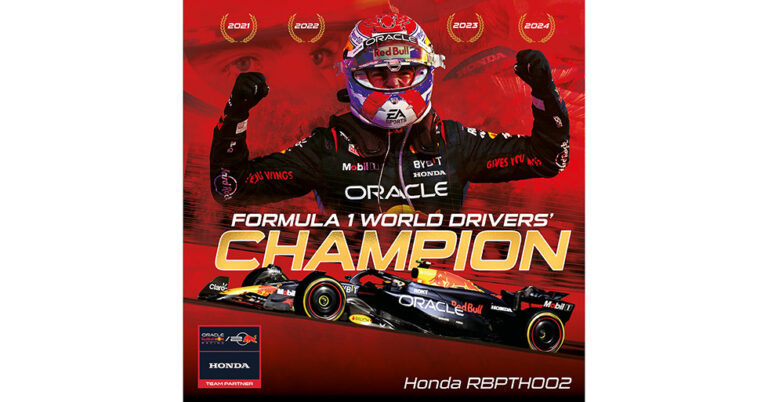
- Red Bull owns two teams: Red Bull Racing and Racing Bulls
- Red Bull’s Laurent Mekies supports stricter rules for team independence
- FIA likely to review ownership proposals before 2026 season
- Debate focuses on fairness and preventing operational overlaps
McLaren CEO Zak Brown urges FIA president Mohammed Ben Sulayem to outlaw dual-team ownership, prompting Red Bull to say it would accept tighter rules guaranteeing team independence.
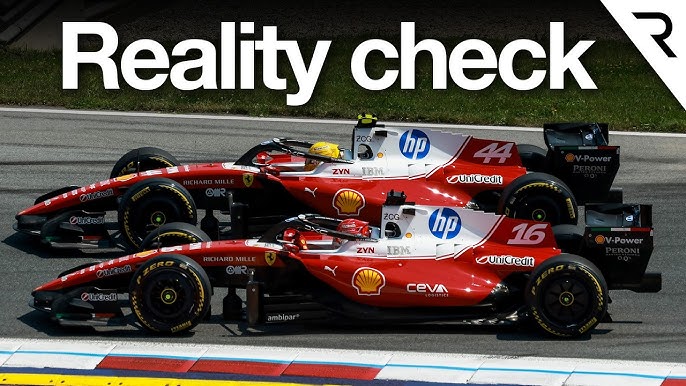
Red Bull GmbH owns Red Bull Racing and Racing Bulls, the only multi-team structure in a field of 11, nine independently owned, an arrangement embedded in Formula 1 since 2006.
Brown argues shared ownership blurs essential boundaries. He cites Laurent Mekies’ July 2025 switch from Racing Bulls team principal to Red Bull Racing without customary gardening leave as evidence of operational overlap.
“We all want 11 teams racing independently on track,” says Laurent Mekies.
He also questions on‑track situations, including Max Verstappen’s overtake on Liam Lawson at Miami after an earlier collision, as examples demanding clearer limits between affiliated teams.
McLaren’s case builds on previous governance concerns, outlined in detailed correspondence and analysis within the ongoing McLaren F1 controversy coverage from recent weeks.
In response, Red Bull’s Laurent Mekies backs stricter, codified rules to ring‑fence competitive independence. He argues progress is visible and supports any stakeholder‑approved measures that secure separation in performance.
Red Bull indicates it would accept tougher independence safeguards if the grid agrees.
Mekies notes cooperative ties already exist across the grid, including power‑unit supply and gearbox sharing. He suggests clearer definitions of permitted collaborations, plus firmer protocols on staff movement, would reinforce trust.
The matter now sits with the FIA, which is expected to evaluate proposals alongside the 2026 regulations overhaul, mirroring themes in the Red Bull F1 debate around competitive integrity. Stakeholders seek a level playing field before the next competitive cycle begins.
FIA review of ownership rules is likely to run in parallel with the 2026 regulation package.
Red Bull’s public stance could ease passage through the F1 Commission and World Motor Sport Council. Tighter statutes may limit shared ownership benefits and reduce operational overlaps between affiliated operations.
Competitive context remains fluid. Red Bull continues addressing car characteristics highlighted recently, including weight management, as examined in this analysis of the Red Bull overweight car narrative.
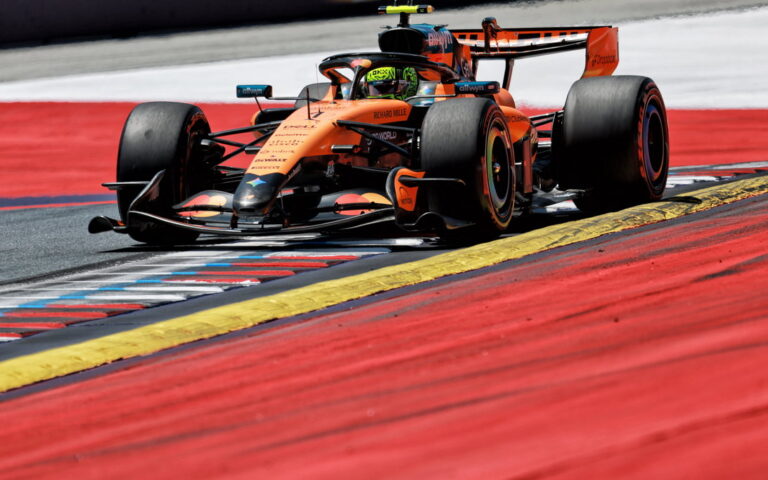
Attention now turns to Monaco, where the layout traditionally compresses performance gaps. McLaren targets gains with upgrades detailed in the McLaren upgrade Monaco brief, while Red Bull expects a sterner weekend.
Visual Summary
McLaren ✂️ Red Bull
F1 Teams
Fair Play
Advantage?
Advantage?
Red Bull says YES
to real team independence
In response to McLaren’s formal protest about dual team ownership, Red Bull Racing agrees to tighter rules for independent racing. The F1 playing field could soon tilt toward fairness for all 11 teams.

James William covers the IMSA WeatherTech SportsCar Championship, from the Rolex 24 at Daytona to sprint-race formats. His reports include prototype performance reviews, GT class battles, and pit-stop strategy insights for endurance-racing fans.