https://shop.fervogear.com/cart

Red Bull Predicts F1 Pecking Order Ahead of FIA Decision


Highlights
- FIA’s ADUO assesses F1 engines thrice per season since Canadian GP.
- Red Bull Ford Powertrains project exceeded early performance expectations.
- Mercedes leads engine power rankings, powering four teams and eight cars.
- ADUO may grant extra development if manufacturer lags by two percent.
- FIA’s ADUO findings expected during Monaco Grand Prix weekend.
- Red Bull sits fourth in constructors’ standings with 57 points.
Red Bull team principal Laurent Mekies outlines where Red Bull Ford Powertrains sits in the current engine order as the FIA prepares its first ADUO findings following the Canadian Grand Prix. The outcome, expected around Monaco, could shape development allowances.
The Additional Development and Upgrade Opportunities programme assesses internal combustion engine performance three times per season to curb dominance. A deficit of two percent or more unlocks extra development and a higher cost cap. Details of the framework are outlined in the FIA’s recent update on engine equalisation measures.

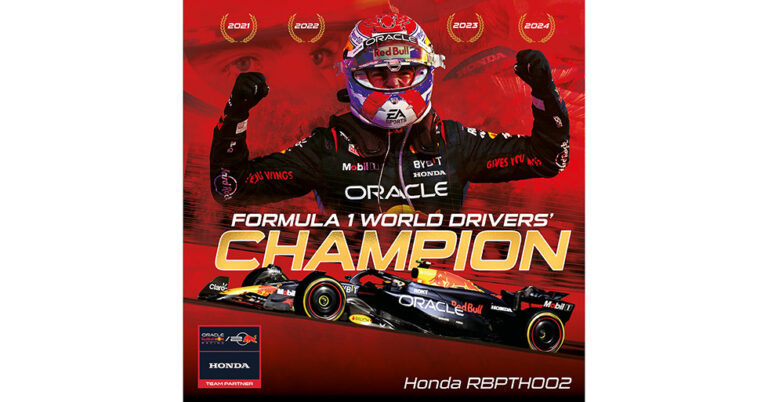
Red Bull sits fourth in the constructors’ standings with 57 points after a slow start. Even so, Mekies says the new Ford-badged power unit has exceeded initial targets, praising a group that has built a competitive package from scratch.

Mekies concedes Mercedes holds a clear edge. Supplying four teams and eight cars provides validation, data breadth, and mileage that reinforce its early-season benchmark.
Mercedes supplies four teams and eight cars, giving it unmatched validation and mileage in the early engine race.
His provisional pecking order places Mercedes ahead, with Red Bull, Ferrari, and Audi in close company. He views Honda-powered teams as trailing that group, though margins appear tight.
Under ADUO, any manufacturer outside the two percent threshold gains additional development and a higher cap allocation. Red Bull aims to stay within the window that avoids catch-up mechanisms.
Manufacturers two percent or more behind the leading ICE receive extra development and a higher cost cap under ADUO.
The FIA plans to publish the initial review within two weeks of Montreal, aligning with the Monaco weekend. That timing adds to the governance debate already simmering among teams, as covered in the ongoing regulatory discussions.
The competitive picture remains fluid. Power unit output interacts with chassis platform, deployment strategy, and drivability. Monaco stresses traction, energy recovery, and response, areas Mercedes presently executes well.
Lewis Hamilton is a credible Monaco threat. Any weakness in low-speed deployment, thermal management, or rear stability will be exposed, offering a rigorous test for Red Bull’s new package.
Mekies says Red Bull Ford Powertrains has outperformed early expectations despite the project’s youth.
If Red Bull is inside two percent, the focus tilts toward calibration and integration rather than hardware. If outside, the extra runway could accelerate mid-season uplift under the revised rules.
Red Bull frames 2026 as a foundation year for its in-house project. Recent programme milestones underscore rapid progress across reliability and performance, as shown in the team’s milestone achievements.
How the ADUO verdict aligns with Mekies’ view will steer priorities through the summer. The broader context includes Red Bull’s established pedigree, reflected in its title history, and the political headwinds that inevitably accompany a new power unit era.
Visual Summary
?️?️
ADUO
2% Line
2% Line
FIA ADUO: Verdict at Monaco GP
Red Bull: 4th in Teams, 57 pts
Mercedes: 8 cars powered
ADUO: 2% gap rule
“Mercedes is on top, but Red Bull Ford Powertrains are right behind—remarkable progress in record time.”
– Laurent Mekies, Red Bull Team Principal
– Laurent Mekies, Red Bull Team Principal
⏳
Awaiting FIA’s ADUO ruling: Will Red Bull get extra engine help—or avoid it by staying within 2%?
Awaiting FIA’s ADUO ruling: Will Red Bull get extra engine help—or avoid it by staying within 2%?
?
Red Bull chases Mercedes up the hierarchy mountain. Monaco tests their climb.
Red Bull chases Mercedes up the hierarchy mountain. Monaco tests their climb.
?
Engine rules tighten. The next two weeks define Red Bull’s allowed upgrades all season.
Engine rules tighten. The next two weeks define Red Bull’s allowed upgrades all season.

Daniel Miller reports on Formula 1 Grand Prix weekends with race-day analysis, team-radio highlights, and point-standings updates. He explains power-unit upgrades, aerodynamic developments, and driver rivalries in straightforward, SEO-friendly language for a global F1 audience.