https://shop.fervogear.com/cart

FIA President Reacts as Major F1 Rule Changes Take Effect

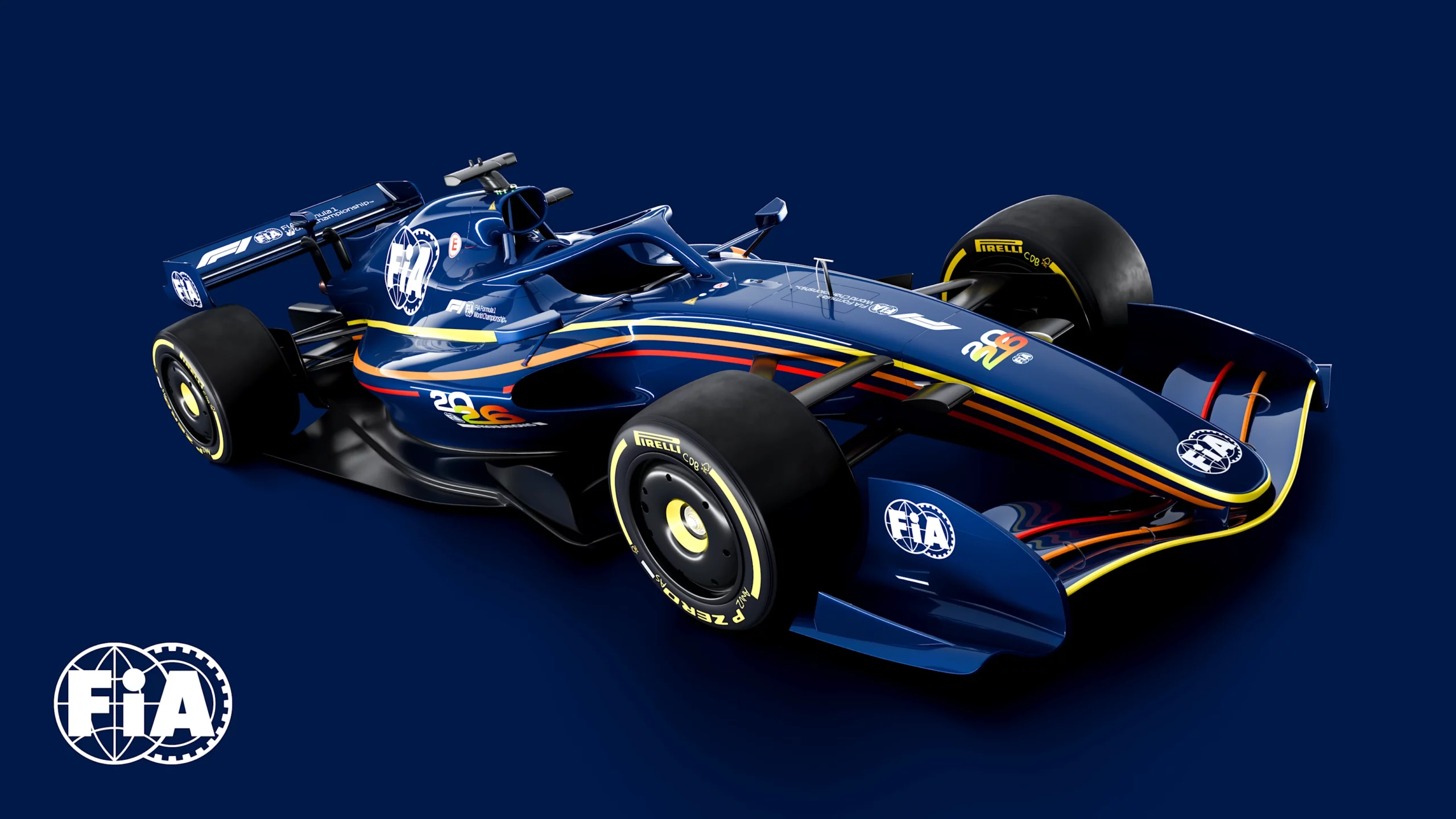
Highlights
- From 2027, F1 power split changes to 58:42 ICE to battery.
- ICE power share increases to 60:40 in 2028 with more fuel flow.
- Fuel flow to ICE rises 5% in 2027 and 13% in 2028.
- Rule changes aimed to improve race performance and battery longevity.
- World Motor Sport Council to approve updates on June 23rd.
- FIA, teams, and manufacturers collaborated on the new technical regulations.
FIA president Mohammed Ben Sulayem has issued a statement as Formula 1 moves to finalize a significant reset of its power unit rules for 2027 and 2028. The update rebalances the internal combustion engine and battery contribution within the sport’s technical regulations to stabilize race performance.
From 2027, the prescribed energy split changes to 58:42 in favor of the ICE, replacing the 50:50 baseline that exposes cars to large power loss once battery deployment fades. The change follows sustained consultation between the FIA, teams, and manufacturers.

The plan then advances to a 60:40 split in 2028. To underpin that shift, permitted fuel flow to the ICE rises by 5% in 2027 and 13% in 2028, reducing battery stress and evening performance across stints.
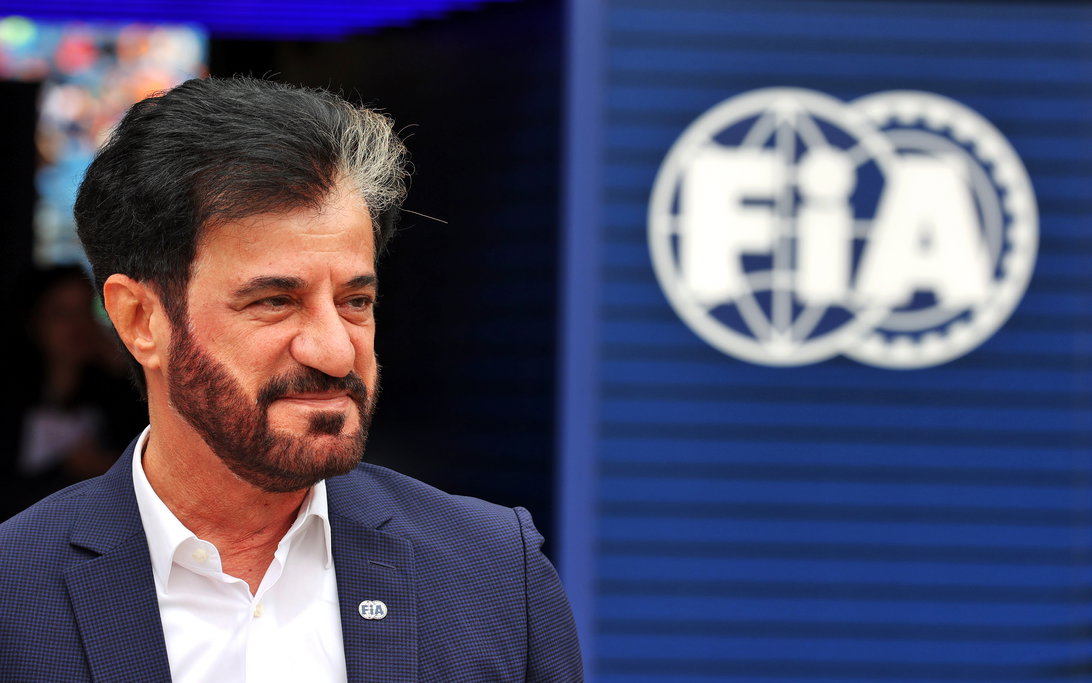
Power split moves to 58:42 in 2027, then 60:40 in 2028.
The objectives are straightforward: cut the battery’s workload, limit the cliff in deployment, and improve competitive consistency. The update refines the power unit framework alongside ongoing sustainability targets and cost controls, without altering the direction of hybrid-era technology. Further background on the package sits within the FIA’s evolving power unit regulations.
The package heads to the World Motor Sport Council for sign-off on June 23 and is expected to pass with minimal resistance. That timeline reflects broad alignment following the latest governance steps within the regulatory agreement process.
Fuel flow to the ICE increases by 5% in 2027 and 13% in 2028.
On track, the biggest change targets the late-lap vulnerability created by aggressive battery usage. With a larger ICE contribution, drivers should face fewer extremes in deployment management, shifting strategy back toward race craft and tire economy.
Teams must recalibrate energy deployment maps, cooling targets, and packaging around the revised splits. The emphasis moves to software control, thermal robustness, and efficiency, with development focusing on extracting steady race-long performance rather than peak bursts.
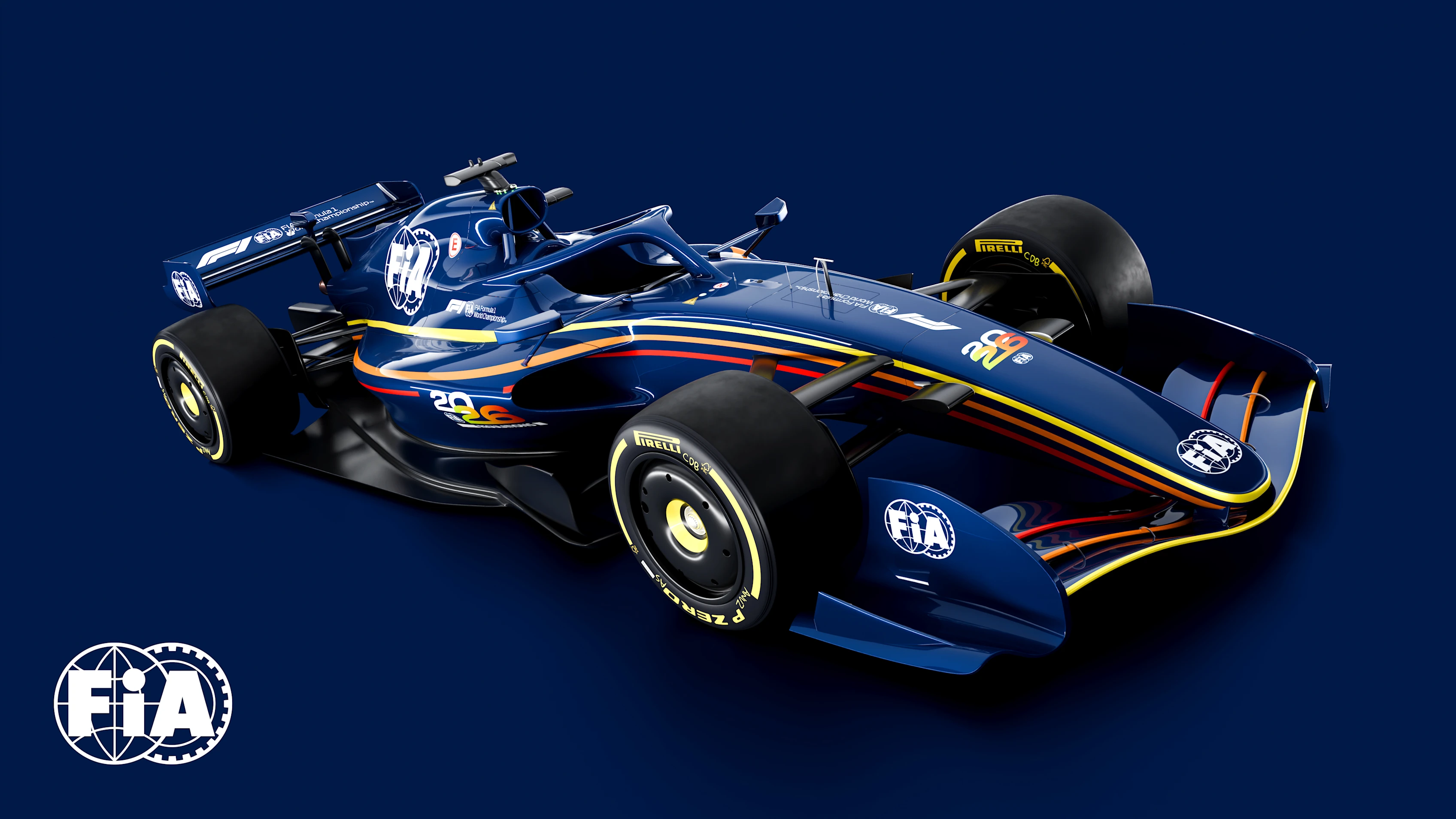
“Formula 1 has always evolved to meet new challenges,” says Mohammed Ben Sulayem.
Ben Sulayem characterizes the discussions as constructive, crediting teams and manufacturers for a collaborative approach. The intent is to protect the Championship’s competitive fabric while advancing technology and sustainability in practical steps.
The wider paddock focus now shifts to modeling and concept choices that anticipate these 2027 targets. Car architectures, cooling layouts, and race strategy tools will evolve as teams prepare for the next phase of hybrid-era competition.
World Motor Sport Council vote scheduled for June 23.
Away from the regulatory detail, the news cycle also features off-track storylines, including an inadvertent information leak by Lewis Hamilton and recent challenges described by George Russell. Those threads sit separate to the rules process but shape the backdrop to F1’s immediate future.
Assuming approval, the revised splits and fuel-flow allowances will shape designs and race dynamics across 2027 and 2028. The expectation is a more consistent power profile, clearer strategic variance, and tighter battles deep into stints.
Visual Summary
ICE
Battery
2026
50:50
50:50
ICE
Battery
2027
58:42
58:42
ICE
Battery
2028
60:40
60:40
Formula 1’s Engine Power Is TILTING
ICE
gains power,
Battery
takes a step back.
New rules for 2027 & 2028 begin a fresh era of racing.
gains power,
Battery
takes a step back.
New rules for 2027 & 2028 begin a fresh era of racing.
Power Unit Impact
→
ICE
Battery
By 2028: +13% fuel flow for ICE ⚡
2027
2028
2028
Why the change?
✔ No more power drop
ICE keeps cars fighting till
the last lap.
ICE keeps cars fighting till
the last lap.
➔ Battery relief:
More consistent race pace, less “battery whispering.”
More consistent race pace, less “battery whispering.”
“F1 evolves, together.”?
FIA, teams & manufacturers forged the future in constructive discussions.
Next: World Motor Sport Council votes June 23rd.
Expect green light.
Expect green light.
What’s next?
Car designs, strategies, and championship battles transform as F1’s technical revolution races on.
Car designs, strategies, and championship battles transform as F1’s technical revolution races on.

Daniel Miller reports on Formula 1 Grand Prix weekends with race-day analysis, team-radio highlights, and point-standings updates. He explains power-unit upgrades, aerodynamic developments, and driver rivalries in straightforward, SEO-friendly language for a global F1 audience.
Related FervoGear guide: custom race suits built for driver protection, custom fit, and sponsor-ready design.