https://shop.fervogear.com/cart

Red Bull Demands FIA Clarification After Key Rule Changes Announced

Highlights
- Red Bull questions FIA’s assessment of their engine’s leading position
- FIA confirms major F1 power unit changes for 2027 and 2028 seasons
- Details of power unit rule changes remain undisclosed, causing uncertainty
- Alpine’s Monaco GP review progresses to next examination phase
- FIA’s ADUO review ensures compliance with technical and sporting standards
- Teams and drivers face challenges adapting to evolving F1 regulations
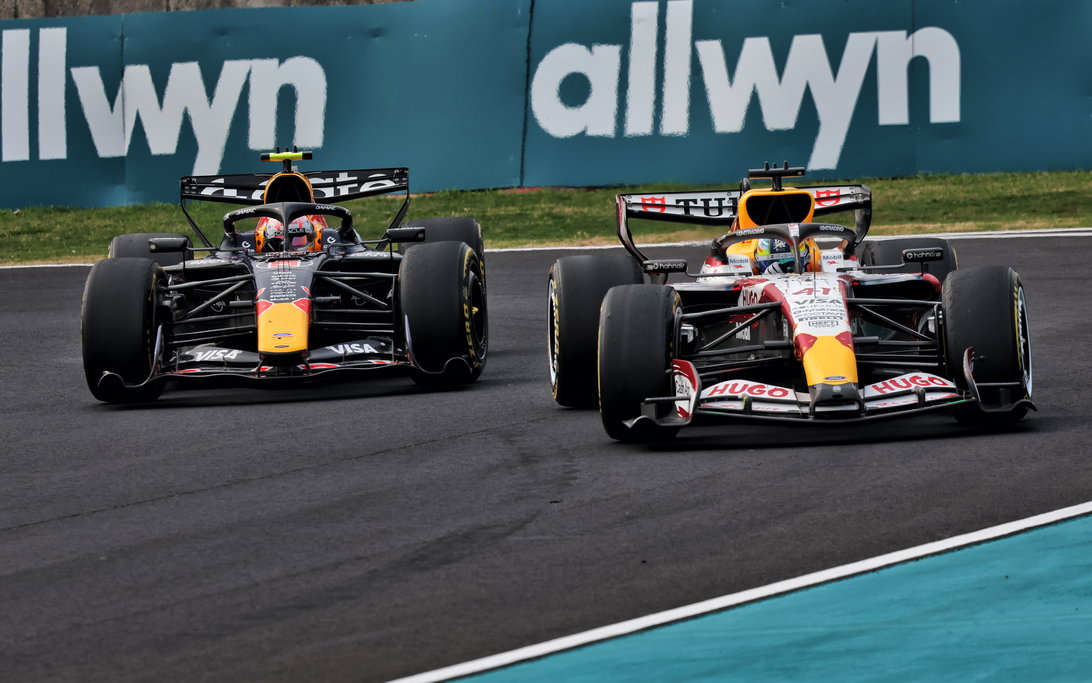
Red Bull seeks clarity from the FIA after confirmation of 2027 and 2028 power unit changes, questioning the basis for claims its internal combustion engine currently leads the competitive order.
The FIA outlined planned rule changes for power units during Barcelona media duties, but withheld detail, leaving stakeholders cautious about scope, timelines, and transitional allowances.

The call coincides with the first ADUO review, an additional layer of scrutiny as suppliers balance legality, performance targets, and cost control.
ADUO, or Alternative Design Unit One, tests whether components meet technical and sporting standards, clarifying grey areas before designs lock for manufacturing.
FIA will revise power unit regulations in both 2027 and 2028, with sustainability central to the brief.
A recent FIA assessment reportedly placed Red Bull’s power unit as the field’s benchmark, prompting requests for methodology, test conditions, and data weighting across combustion and hybrid systems.
Such transparency influences budget allocation. With development windows narrow, early signals can redirect investment and alter the competitive balance before specifications freeze.
Red Bull questions the FIA’s process that labeled its ICE the current benchmark.
The governing body targets efficiency and sustainability, yet staggered rule changes risk compounding costs if packaging, cooling, and deployment strategies require two major recalibrations.
Separately, Alpine’s Monaco Right of Review advances to a further phase, underscoring the procedural rigour accompanying ADUO and the championship’s broader compliance framework.
Alpine’s Monaco Right of Review advances to the next phase under the ADUO framework.
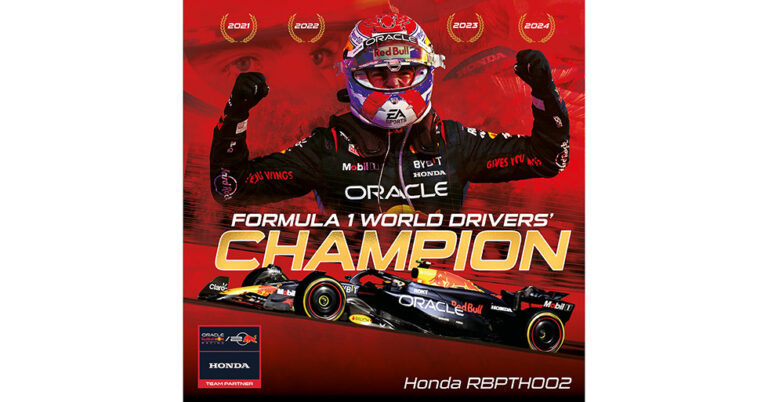
Driver reaction is mixed, with Max Verstappen stressing reliability and usable deployment, while peers weigh how the rules shape overtaking and race management.
Teams now model scenarios for 2027, then 2028. Power unit architecture must align with chassis cooling and energy recovery targets without undermining tyre management or reliability.
Expect a political phase covering dyno correlation, in-season monitoring, and whether balancing mechanisms address disparities between combustion output and electrical deployment.
Clearer FIA guidance on evaluation criteria would stabilise programmes before factories commit to long-lead components, making Barcelona a timely forum for detailed explanations.
Visual Summary
⚡
FIA
RED BULL
CALLS OUT FOR TRANSPARENCY
CALLS OUT FOR TRANSPARENCY
Rule shock rattles F1. Teams
want answers as engine regulations shake foundations.
want answers as engine regulations shake foundations.
TENSION
2026
2027
2028
2027
2028
?️ Red Bull
questions
‘benchmark’ status
questions
‘benchmark’ status
? ADUO review
announced
announced
⏳ Uncertainty
for 2027–28
rules
for 2027–28
rules
“With rule tremors and engines under the microscope, F1’s future is up for debate. It’s not just technical—it’s trust, strategy, and the spirit of racing up for grabs.”
— Barcelona, media day
— Barcelona, media day
The countdown to F1’s next power era is ticking
Who blinks first: FIA or the Teams?

Daniel Miller reports on Formula 1 Grand Prix weekends with race-day analysis, team-radio highlights, and point-standings updates. He explains power-unit upgrades, aerodynamic developments, and driver rivalries in straightforward, SEO-friendly language for a global F1 audience.
Related FervoGear guide: custom race suits built for driver protection, custom fit, and sponsor-ready design.