https://shop.fervogear.com/cart

Barcelona GP’s ‘Nightmare’ One-Shot Qualifying Challenge

Highlights
- Barcelona GP faces highest tyre degradation of 2026 season.
- Pirelli lowered minimum tyre pressures after Friday’s hot sessions.
- Qualifying tricky; tyres considered “single-lap” under extreme heat.
- Two-stop strategy likely, with three stops possible due to wear.
- Drivers struggle with low grip; tyres only last one flying lap.
- Teams prioritize tyre management amid record track temperatures.
Formula 1 arrives in Barcelona with the season’s highest tyre degradation. Track temperatures hit 52°C on Friday, exposing the compounds and making tyre management central to Sunday’s competitive order.
Teams report rapid overheating and pace fade on long runs. After Friday’s running, Pirelli lowered minimum starting pressures by 1 psi for both axles.

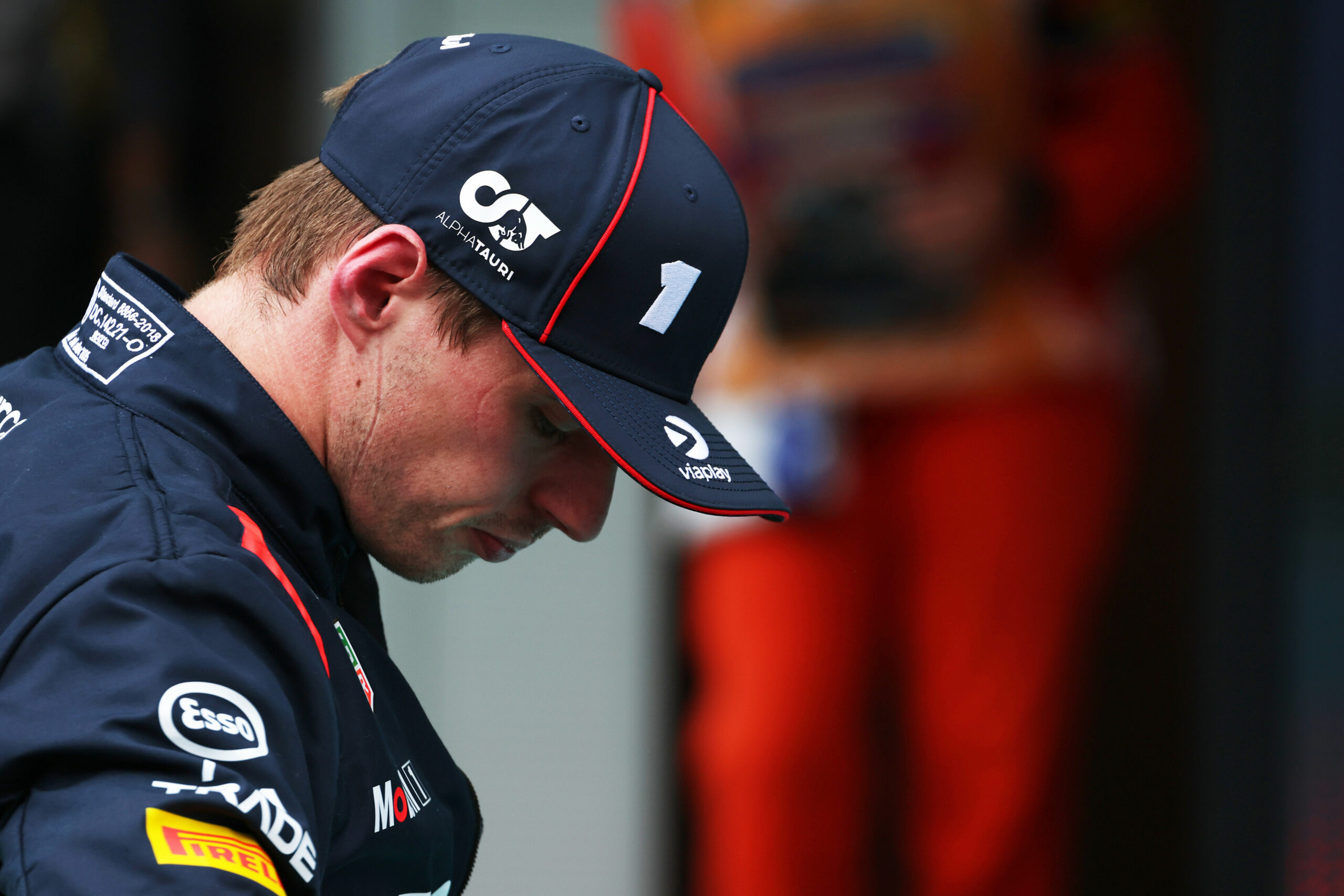
The 2026-spec cars and power units demand higher baseline pressures. Drivers say the tyres feel like balloons, delivering less grip despite more power. Haas rookie Ollie Bearman calls it ‘terrible’.
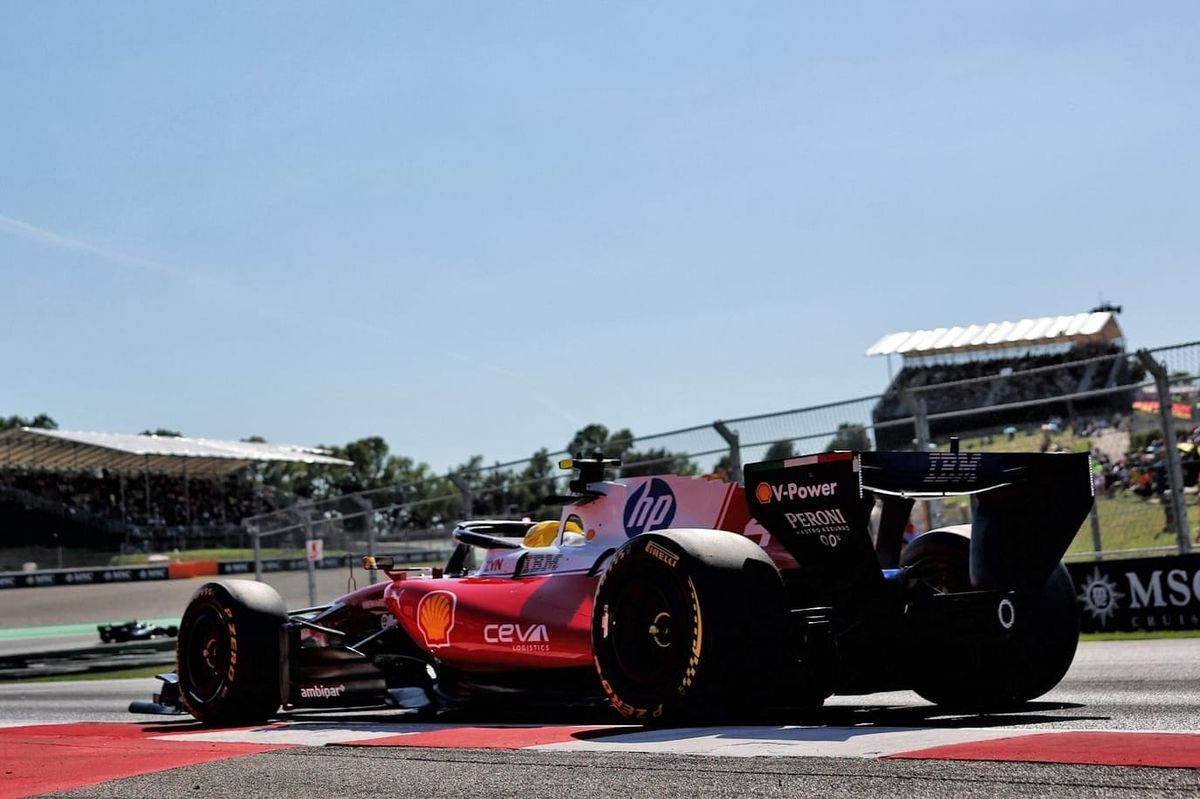
Revised limits stand at 25.0 psi front and 24.0 psi rear. The change keeps hot pressures in range and restores feel without compounding overheating across longer stints.
At Barcelona, qualifying becomes a one‑shot exercise. Pirelli’s Simone Berra calls the soft and medium ‘single‑lap tyres’, with carcass temperatures too high to recover performance for a second flyer.
Pirelli cuts minimum start pressures by 1 psi after 52°C track heat.
Outlap discipline is critical. Drivers must build temperature evenly while avoiding front‑rear imbalances that spike wear. A mistake early in the lap likely ruins the entire attempt.
Grip is conspicuously low, even by Barcelona standards. Lewis Hamilton calls it ‘probably the lowest grip’ here, with tyres peaking for one flyer, magnifying the challenge facing teams.
Audi’s Nico Hulkenberg expects a ‘degradation fest.’ Thermal decay hits both axles, so any imbalance snowballs across a stint, forcing conservative targets that suppress raw pace.
Two stops are the baseline, with a three‑stop in play if thermal decay escalates.
Strategy modelling points to two stops as default. Three stops remain credible if track temperatures hold. Undercuts should be powerful as new‑tyre grip immediately unlocks lap time.
Compound separation is narrow between C2, C3, and C4. Medium and soft provide similar, short‑lived grip, leaving teams to choose stint length and traffic risk over outright pace.
Minimal C2‑C3‑C4 separation shifts focus to stint length and traffic management over outright pace.
Cars that protect the rear axle gain a disproportionate advantage. Expect earlier first stops and flexible windows. Friday practice results already hinted at this trend across the field.
Ultimately, Barcelona rewards patience and precision. The teams that harmonise outlap preparation, stint targets, and pit timing should control track position when the race intensity peaks.
Visual Summary
52°C TRACK
High-Degradation Heatwave RIPS Through Barcelona
Tyres turn to “balloons,” one hot lap to nail it – Sunday promises a full-on deg fest!
⬆️
Higher Pressures
26.0/25.0 psi
(Original)
?
⬇️
Pirelli Reduction
25.0/24.0 psi
(Saturday)
🔥
“It was terrible… the tyres feel like huge balloons with no grip at all.”
– Ollie Bearman
“It was terrible… the tyres feel like huge balloons with no grip at all.”
– Ollie Bearman
Only 1 lap at peak grip:
Overheat risk on every flying lap!
Lap 1 Grip
Sunday =
DEG FEST
🏁
DEG FEST
🏁
Early pit stops. Intense strategy. Tyre management decides it all.
Patience beats pace.
Patience beats pace.

Daniel Miller reports on Formula 1 Grand Prix weekends with race-day analysis, team-radio highlights, and point-standings updates. He explains power-unit upgrades, aerodynamic developments, and driver rivalries in straightforward, SEO-friendly language for a global F1 audience.
Related FervoGear guide: custom race suits built for driver protection, custom fit, and sponsor-ready design.