https://shop.fervogear.com/cart

The Biggest Challenge Teams Face in the Barcelona Race

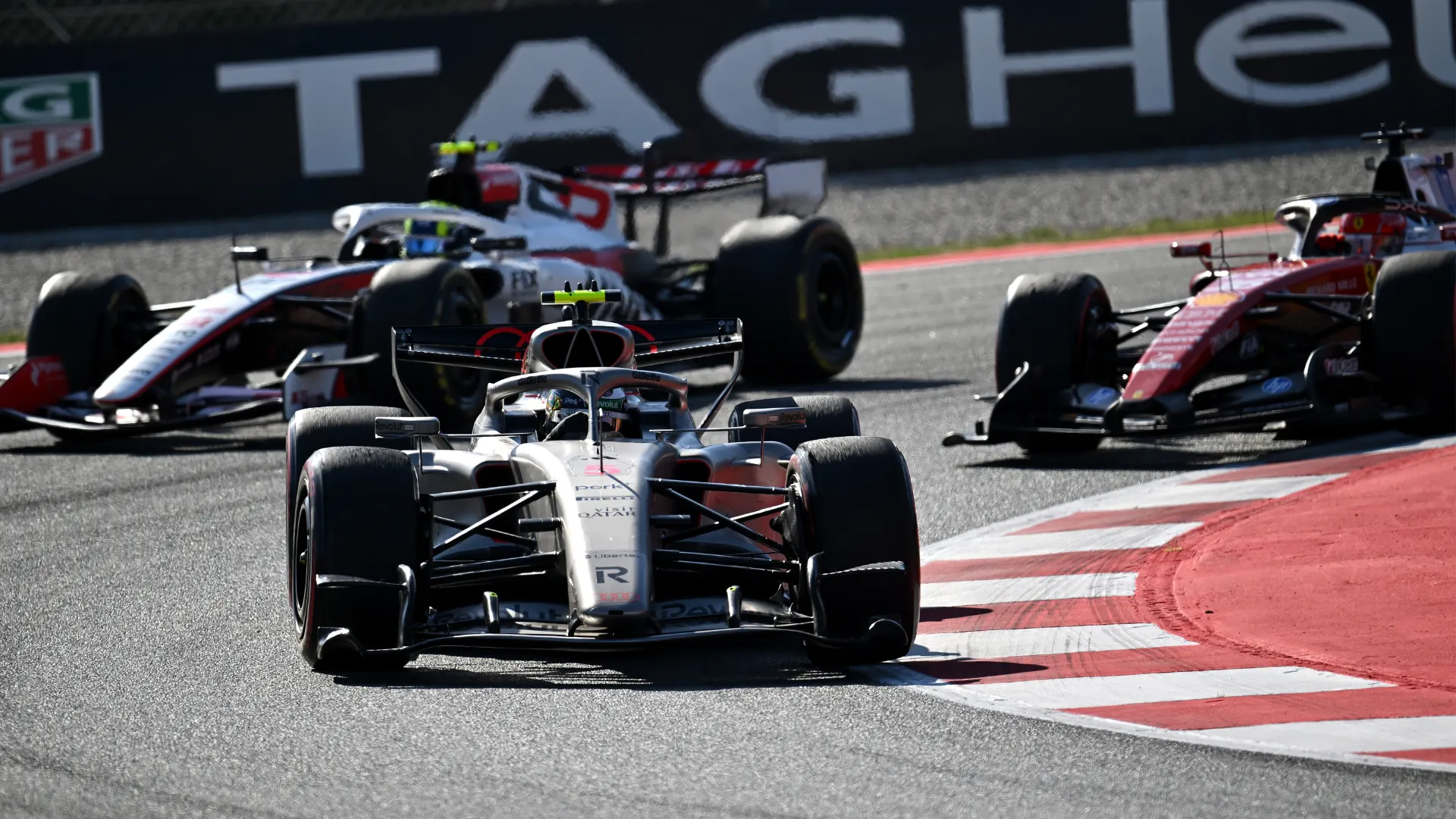
Highlights
- Pirelli supplied softer C2, C3, C4 tyres for 2026 Barcelona GP.
- Two to three pit stops expected due to higher tyre degradation.
- Practice favored soft and medium tyres over hard compound.
- Track temperatures hit 50-52°C, causing significant tyre wear.
- Race likely tactical with varied strategies and unpredictable outcomes.
Tyre degradation is set to define Sunday’s Barcelona-Catalunya Grand Prix, with Pirelli’s softer C2, C3, and C4 selection for 2026 pushing strategies toward aggressive, multi-stop racing.
Early long-run data from Friday indicates two to three stops are realistic, creating tactical spread on stint lengths and track position during Friday’s practice sessions across both compounds.

Softer C2–C4 selection raises the likelihood of two to three pit stops on Sunday.
Last year skewed towards two stops, though a late Safety Car pushed some, including Red Bull, to four. Softer compounds now heighten degradation risk while teams chase competitive lap time.
Usage trends on Friday favoured soft and medium rubber. The C2 hard suffered sliding and overheating, yet Max Verstappen, Esteban Ocon, and Ollie Bearman extracted consistent, low-variance runs.
Pirelli chief engineer Simone Berra reported broadly similar degradation across all three compounds. With no clear standout, teams retain strategy flexibility and must adapt to evolving track conditions.
Pirelli reports similar degradation across C2, C3, and C4, leaving no obvious go-to race compound.
Surface temperatures between 50 and 52°C amplified thermal decay on both axles. Barcelona’s abrasive layout punishes loaded corners, accelerating wear; some cars rear-limited early, others front-limited later.
That dynamic points to two- or even three-stop routes, a shift from earlier rounds. Car characteristics under 2026 regulations complicate tyre control, as outlined in Friday’s Barcelona teams update.
Track temperatures reached 50–52°C on Friday, driving high thermal wear on both axles.
Data remains limited over full race distance. Expect lift-and-coast and power-unit deployment tweaks to stabilise carcass temperatures and mitigate graining or rear heat-soak on longer runs.
Undercut and overcut windows should be active. Early stoppers may force rivals’ hands, setting up late-race battles once traffic clears and fuel loads lighten.
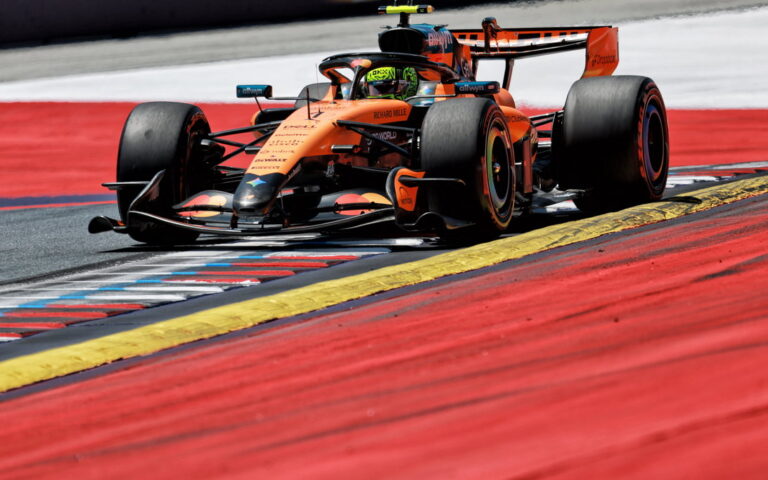
Team form remains tight. McLaren’s FP2 pace looked robust, reflected in McLaren’s FP2 pace, while focus quickly turns to planning around Barcelona qualifying time and track evolution into Sunday.
Visual Summary
C2
Hard
Hard
C3
Medium
Medium
C4
Soft
Soft
?
52°C
track temp
52°C
track temp
?
Pit Stops: 2 or 3?
Tyre Management = Race Decider
With no clear best tyre and track temperatures pushing 52°C, teams are forced into a tyre roulette:
Do they risk more pit stops for speed?
Or nurse their tyres to survive fewer stops?
Expect strategy chaos at Catalunya!
Do they risk more pit stops for speed?
Or nurse their tyres to survive fewer stops?
Expect strategy chaos at Catalunya!
⏱️
Real-time
adjustments
adjustments
?
No clear winner
on compounds
on compounds
?
Tyre lottery
into Turn 1
into Turn 1

Daniel Miller reports on Formula 1 Grand Prix weekends with race-day analysis, team-radio highlights, and point-standings updates. He explains power-unit upgrades, aerodynamic developments, and driver rivalries in straightforward, SEO-friendly language for a global F1 audience.
Related FervoGear guide: custom race suits built for driver protection, custom fit, and sponsor-ready design.