https://shop.fervogear.com/cart

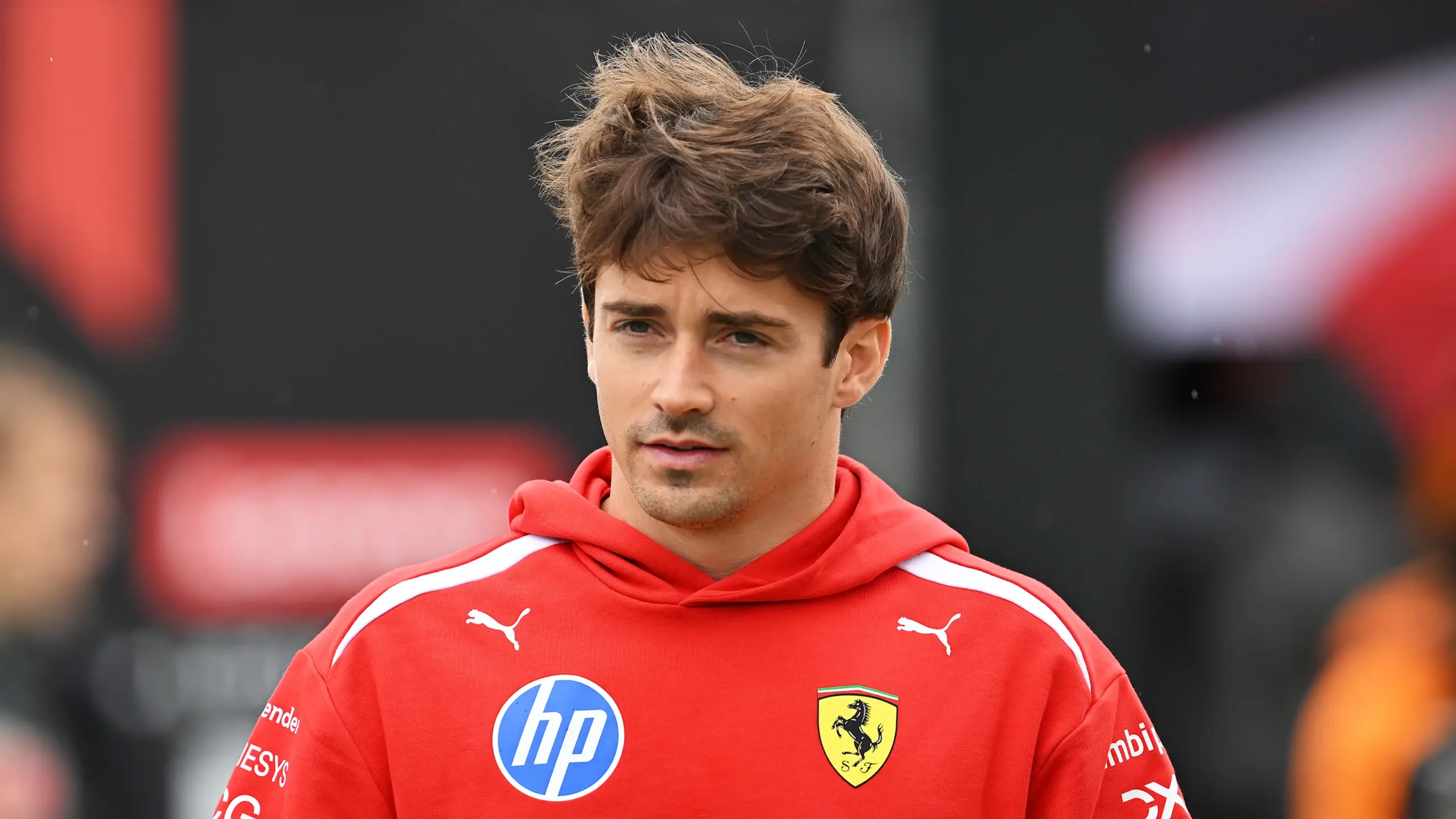
Frustrated Charles Leclerc Seeks Solutions Amid Ferrari’s Ongoing Struggles

Highlights
- Charles Leclerc qualified second at the Austrian Grand Prix.
- Leclerc finished eighth, 45 seconds behind race winner George Russell.
- Ferrari SF-26 lacked rear grip, affecting Leclerc’s race pace.
- Leclerc admitted ongoing difficulties with car setup and grip.
- Ferrari struggles in races despite strong qualifying performances persist.
- Next races crucial for Ferrari to improve grip and competitiveness.
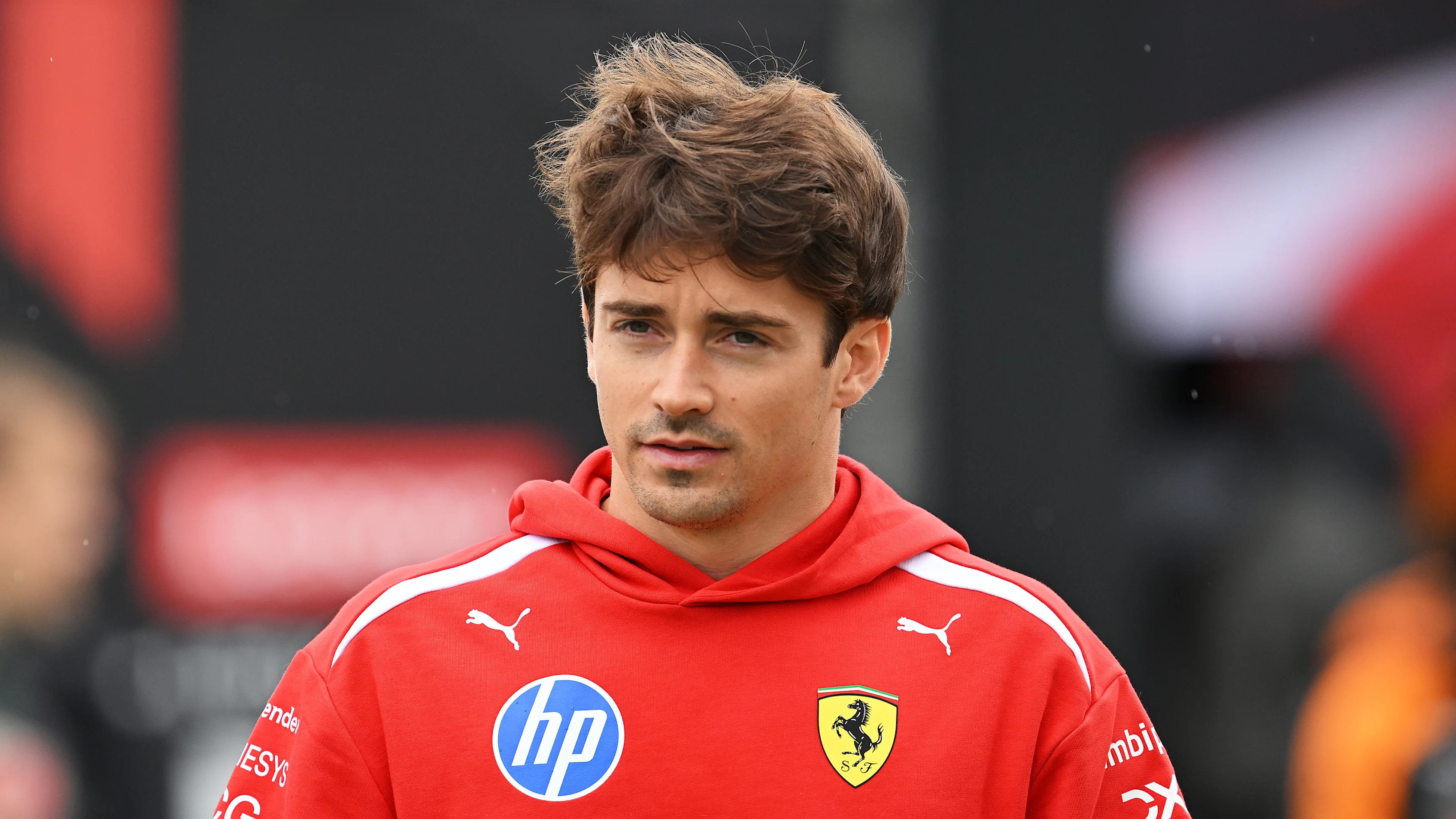
Charles Leclerc’s Austrian Grand Prix unravels at the Red Bull Ring, a rear‑grip shortfall turning a front‑row start into eighth place, 45 seconds behind race winner George Russell.
From P2 on the grid to P8 at the flag, Leclerc finishes 45s behind Russell.
He loses out to Lewis Hamilton off the line, then cedes ground to Kimi Antonelli and Oscar Piastri, the SF‑26 sliding on exits and exposing its fragile operating window.

The contrast between qualifying and race persists. Ferrari finds single‑lap bite but lacks sustained rear load, forcing conservative corner entries and accelerating thermal degradation across the stints.
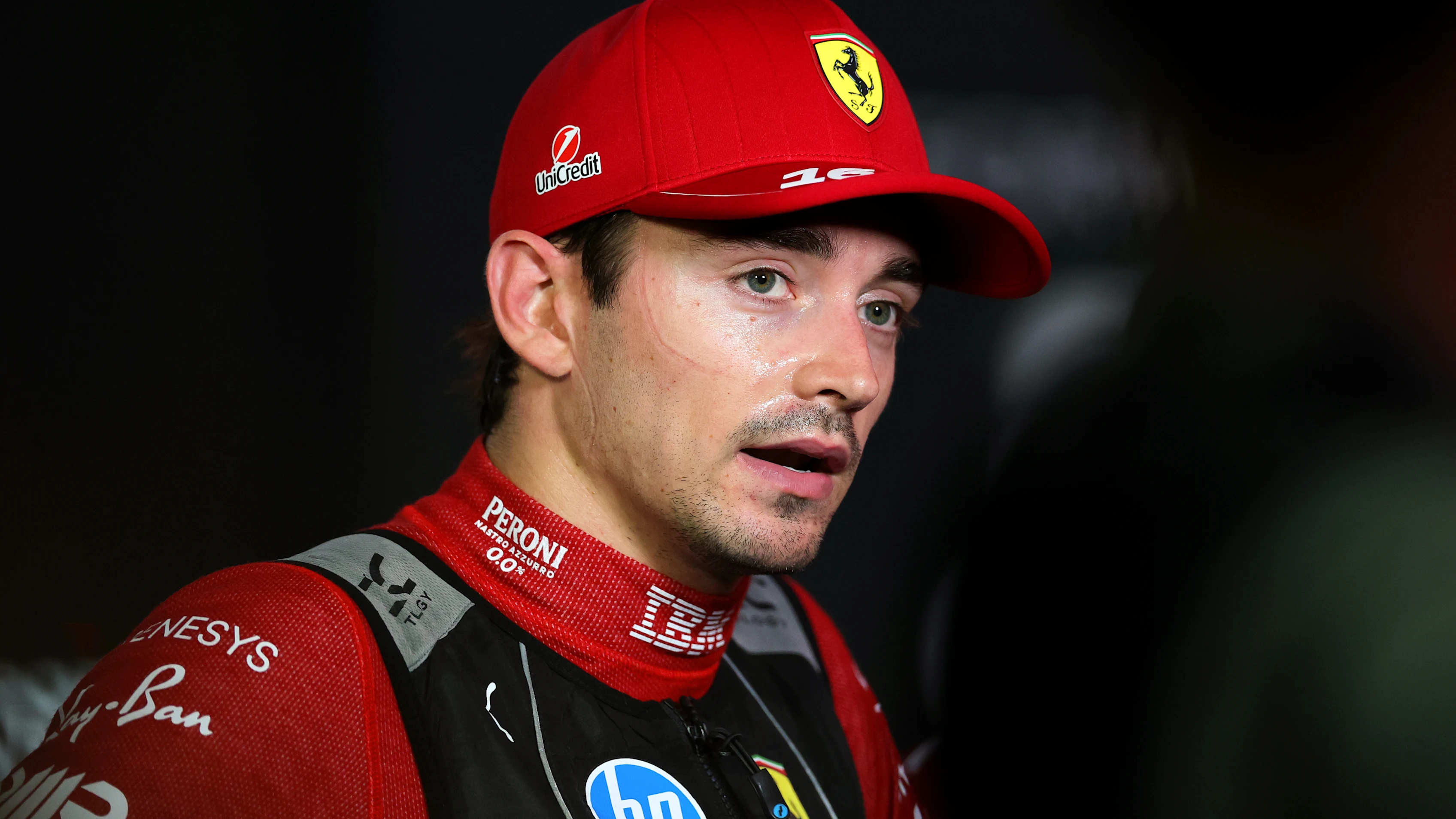
Leclerc reports difficulty keeping the rears in a stable temperature band. Snap oversteer on traction compromises exits in the middle sector and final corners, undermining straight‑line deployment.
That theme echoes recent weekends, where one limitation defines Sunday, as underlined in Leclerc’s Austrian GP reflections.
Development direction now matters. With update spend tightly policed, every aero change must buy rear stability, a point Ferrari weighed in its update‑spending assessment.
Leclerc admits persistent rear‑grip issues and a narrow operating window limit Ferrari’s race execution.
Strategy could not mask the delta; while stops were tidy, tyre life forced conservative offsets, mirroring the limitations seen in recent Ferrari strategy reviews.
Power‑unit output is not the prime culprit here. The Red Bull Ring rewards traction and change‑of‑direction, with Ferrari losing time chiefly on exits and through the fast changes.
With Mercedes resurgent and McLaren consistently sharp, Ferrari needs rear load fast to sustain a title push against rivals such as Red Bull and Verstappen through the next triple‑header.
Ferrari’s qualifying speed again fails to translate into sustainable race pace at the Red Bull Ring.
Silverstone offers cooler conditions and longer corners, but the core requirement remains unchanged: stabilize the rear, widen the operating window, and convert qualifying potential into sustainable race pace.
Leclerc and Ferrari insist the answers are close. The next run of races will show whether correlation work finally translates into grip where it matters most.
Visual Summary

Daniel Miller reports on Formula 1 Grand Prix weekends with race-day analysis, team-radio highlights, and point-standings updates. He explains power-unit upgrades, aerodynamic developments, and driver rivalries in straightforward, SEO-friendly language for a global F1 audience.