

https://shop.fervogear.com/cart

Max Verstappen Blames Bad Luck for Charles Leclerc’s Surprising Challenge

Highlights
- Kimi Antonelli won the Belgian Grand Prix, his sixth win.
- Charles Leclerc gained advantage from VSC timing on lap 20.
- Max Verstappen finished third, citing unlucky VSC timing impact.
- George Russell’s crash influenced race strategy and final standings.
- Hamilton received penalties after incident with Ferrari mechanic.
- Red Bull plans major rear wing decision for upcoming races.
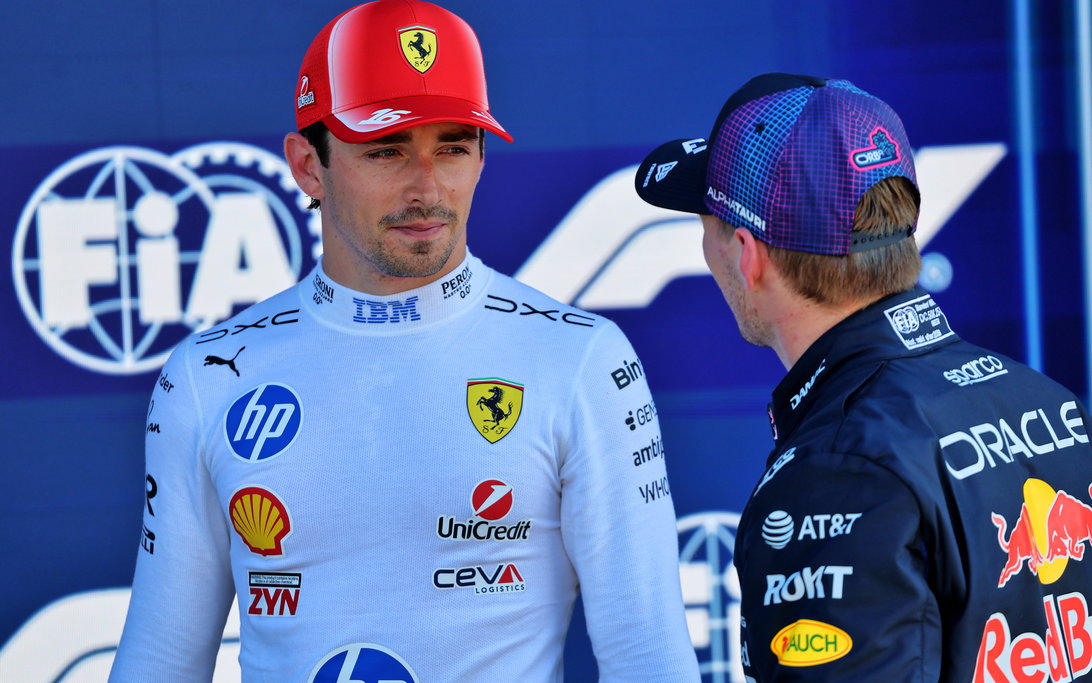
Max Verstappen labels the lap-20 virtual safety car “unlucky” after the Belgian Grand Prix at Spa, as its timing elevates Charles Leclerc. Kimi Antonelli wins, his sixth victory.
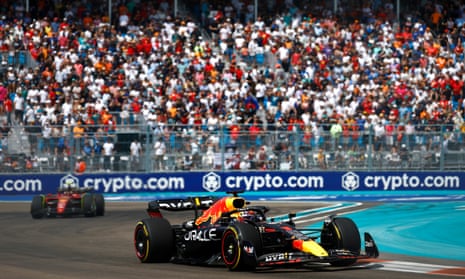
Red Bull pits Verstappen early alongside Antonelli, committing to an aggressive undercut. Leclerc extends his stint and, under the VSC on lap 20, completes a cheaper stop that flips track position.

From there, Ferrari controls the middle phase until Antonelli hunts down Leclerc to retake the lead. Verstappen cannot match that pace and settles for third.
The lap-20 VSC vaulted Leclerc ahead of both Red Bulls, reshaping the race’s competitive order.
Verstappen describes a decent opening stint but a tougher second phase, with the VSC compressing margins and compromising Red Bull’s plan. He still values a podium from a difficult race.
“I tried everything I could in the race… P3 is good.” — Max Verstappen
It marks Verstappen’s third podium of 2026, reinforcing consistency when circumstances do not align.
Leclerc accepts the fortune, calling the VSC timing “perfect” for Ferrari. He battles front-axle limitations on the hard tyre for several laps before pace returns.
Kimi Antonelli’s sixth win of the season underlines a growing authority in race execution and tyre management.
The race also features George Russell’s heavy crash, triggering strategic recalculations across the field. Lewis Hamilton later receives penalties after an incident involving a Ferrari mechanic at Spa.
Hamilton’s penalties add another layer of post-race consequence to an already turbulent Spa afternoon.
Red Bull now weighs a major rear-wing direction for upcoming rounds, seeking stability across compounds and phases. Ferrari focuses on consolidating Leclerc’s momentum as the championship picture stays fluid.
Visual Summary
🚗
1. Antonelli
🚗
2. Leclerc
🚗
3. Verstappen
VIRTUAL SAFETY CAR
VSC Impact
1
K. Antonelli
6th Win!
2
C. Leclerc
Back-to-Back
3
M. Verstappen
Podium #3
“Timing is everything.”
A split-second VSC shuffled the order and sparked Spa madness.
Antonelli wins, Leclerc’s lucky break, Verstappen just outpaced.
Championship wide open.
Antonelli wins, Leclerc’s lucky break, Verstappen just outpaced.
Championship wide open.
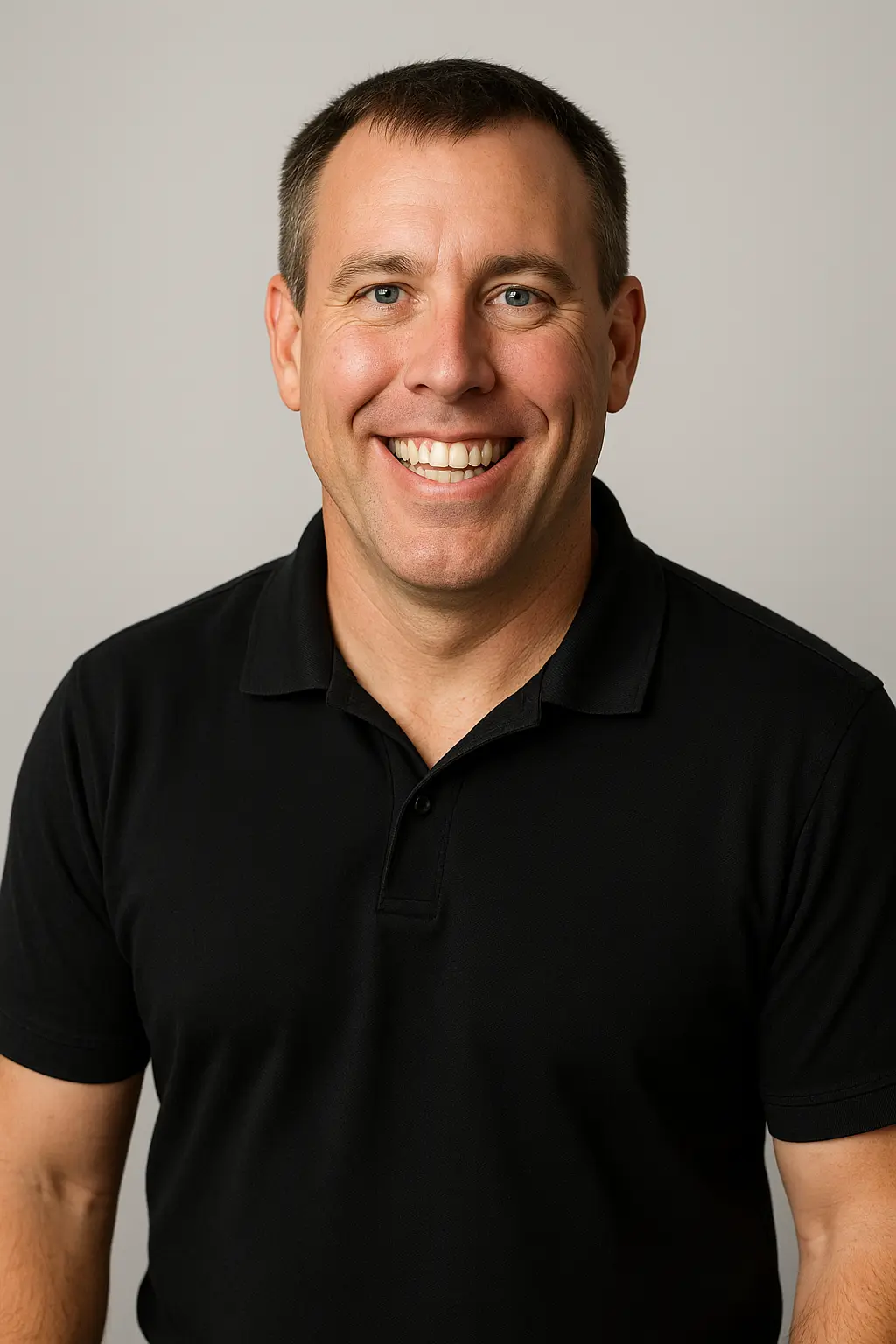
Daniel Miller reports on Formula 1 Grand Prix weekends with race-day analysis, team-radio highlights, and point-standings updates. He explains power-unit upgrades, aerodynamic developments, and driver rivalries in straightforward, SEO-friendly language for a global F1 audience.